
Mastering Engage-Disengage for Calm Dogs
Transform reactive dogs into confident companions with this proven training game that builds focus and reduces stress effectively.
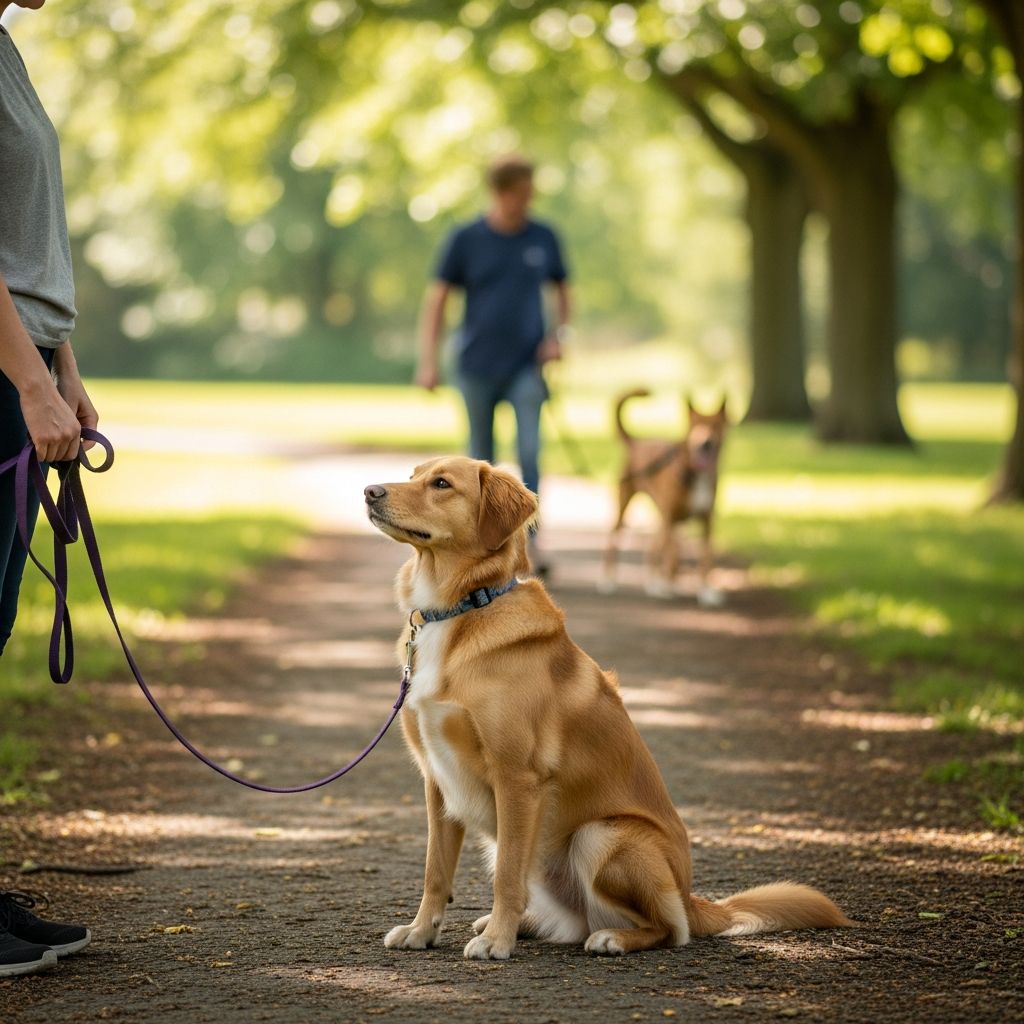
The Engage-Disengage game stands out as a powerful tool in modern dog training, particularly for addressing leash reactivity. This method empowers dogs to observe potential stressors—like other dogs or passersby—and then voluntarily shift their attention back to their handler, earning rewards in the process. By leveraging positive reinforcement, it reshapes emotional responses and behaviors, fostering calmer outings.
Understanding Leash Reactivity in Dogs
Leash reactivity manifests when dogs bark, lunge, or strain toward stimuli while on a leash, often stemming from fear, frustration, or over-arousal. Unlike off-leash scenarios where dogs might naturally disengage, the restraint amplifies these reactions. Common triggers include other animals, vehicles, or unfamiliar people, turning routine walks into stressful events for both dog and owner.
Recognizing early signs is crucial: stiff body posture, forward ears, dilated pupils, or whale-eye stares indicate building tension. Addressing this proactively prevents escalation into aggression or chronic anxiety. Statistics from veterinary behaviorists show that up to 50% of dogs exhibit some reactivity, underscoring the need for accessible training solutions.
Core Principles Behind Engage-Disengage
This technique combines classical and operant conditioning. Classical conditioning alters the dog’s emotional association with triggers—pairing their appearance with positive outcomes like treats. Operant conditioning reinforces the specific action of disengaging, making it a habitual choice.
Key to success is staying below the dog’s threshold—the point where reactions become uncontrollable. Training at sub-threshold distances ensures calm focus, gradually building tolerance as confidence grows.
- Positive Reinforcement: Rewards motivate voluntary disengagement without force.
- Distance Management: Begin far enough to prevent stress responses.
- Marker Signals: Use a clicker or word like “yes” for precise timing.
Preparing for Successful Sessions
Before starting, assemble high-value treats—soft, smelly options like chicken or cheese work best to outcompete distractions. A clicker enhances precision, but a verbal marker suffices initially. Choose quiet times and locations with predictable, low-intensity triggers.
Warm up with basic obedience to build handler focus. Practice U-turns or “find it” games to teach quick direction changes, promoting handler engagement. Sessions should last 3-5 minutes to maintain enthusiasm without fatigue.
| Item | Purpose | Tips |
|---|---|---|
| High-Value Treats | Motivate disengagement | Use pea-sized pieces; vary types |
| Clicker or Marker Word | Mark exact behavior | Charge clicker beforehand |
| Leash and Harness | Safety and control | Front-clip harness reduces pulling |
| Treat Pouch | Quick access | Wear on waist for efficiency |
Step-by-Step Guide to Level 1: Building Engagement
Level 1 focuses on rewarding the dog for noticing the trigger calmly, creating positive associations. Position at a distance where your dog spots the trigger without reacting—often 50-100 feet for dogs, adjustable based on individual sensitivity.
- Stand quietly; let your dog discover the trigger independently.
- As they look (engage), mark immediately with a click or “yes!”
- Feed a treat when they turn toward you post-mark.
- Repeat 3-5 times successfully before advancing.
If stress signs appear, retreat further. Success here rewires the brain: triggers now predict rewards, not threats.
Advancing to Level 2: Teaching Disengagement
Once engagement is reliable, introduce disengagement. Encourage your dog to look at the trigger, then reward turning away to you.
- At the same distance, wait for engagement.
- When they glance away (disengage), mark and treat promptly.
- Build duration: reward quicker, voluntary disengagements.
- Gradually close distance by 5-10 feet after consistent reps.
Fade lures over time; the dog should offer disengagement proactively. If the trigger moves, revert to Level 1.
Integrating Focus Commands
Enhance the game with cues like “watch me” or “focus.” Practice in low-distraction settings first: hold a treat near your eyes, mark eye contact, then add triggers.
Progress to real-world use: during walks, cue focus before triggers appear, reinforcing the habit of checking in. This bridges training to everyday reliability.
Benefits for Reactive Dogs
Regular practice reduces arousal by teaching self-interruption—a vital coping skill lacking in many reactive dogs. Owners report fewer lunges, calmer demeanors, and enjoyable walks within weeks.
- Emotional Shift: Triggers become reward predictors.
- Behavioral Alternative: Disengagement replaces barking/lunging.
- Owner Confidence: Predictable responses build trust.
- Versatility: Applies to fear, frustration, or barrier aggression.
Common Challenges and Fixes
Troubleshooting ensures progress. If fixation persists, increase distance or use higher-value rewards. Tense body language? Pause and reset.
| Problem | Solution |
|---|---|
| Won’t disengage | Increase distance; higher rewards |
| Over-excited | Shorten sessions; lower intensity |
| Ignores markers | Practice in quiet areas first |
| Trigger too unpredictable | Use stuffed animals initially |
Monitor for subtle stress like lip-licking; end sessions positively. Consistency across family members accelerates results.
Real-World Application and Progression
Transition from static setups to dynamic walks. Start on quiet streets, graduate to busier areas. Combine with loose-leash walking for comprehensive control.
Track progress: note distance to triggers without reaction. Aim for 80% success before intensifying. Pair with exercise to burn excess energy, amplifying calm.
Advanced Variations and Tools
For high-drive dogs, incorporate toys or tug post-disengagement. Use long lines in safe spaces for off-leash practice. Apps tracking sessions aid consistency.
Consult professionals for severe cases; this game complements vet behaviorist plans.
Frequently Asked Questions
What if my dog is too scared to look?
Start even farther or use mild triggers like photos, building gradually.
How often should we practice?
Daily 5-minute sessions yield best results; quality over quantity.
Does it work for all breeds?
Yes, adaptable for any reactive dog regardless of size or breed.
Can I use it without a clicker?
Absolutely; a cheerful “yes!” or treat delivery works fine.
What about multi-dog households?
Train individually first, then together at greater distances.
Long-Term Success Strategies
Sustain gains with lifelong management: avoid overwhelming scenarios, maintain rewards intermittently. Socialization field trips reinforce skills. Celebrate milestones like trigger-free neighborhood laps.
Owners often find walks transformative, strengthening bonds through shared success. Patience pays off—most see marked improvement in 2-4 weeks with diligence.
References
- Engage / Disengage: The Best Reactive Dog Training Exercise — K9 of Mine (YouTube). 2023. https://www.youtube.com/watch?v=FBXwaAG_JaQ
- Reducing Leash Reactivity: The Engage-Disengage Game — Clicker Training. 2022-10-15. https://clickertraining.com/reducing-leash-reactivity-the-engage-disengage-game/
- How and When to Play the Engage–Disengage Game with Your Dog — Preventive Vet. 2024-05-20. https://www.preventivevet.com/dogs/engage-disengage-dog-training-game
- Look At That or Engage/Disengage — Every Dog Austin. 2023. https://www.everydogaustin.org/handouts/look-at-that-or-engage%2Fdisengage
- Training Tip: Engage, Disengage — Charleston Animal Society. 2023-08-10. https://charlestonanimalsociety.org/training-tip-engage-disengage/
Similar Articles








Read full bio of Sneha Tete




