

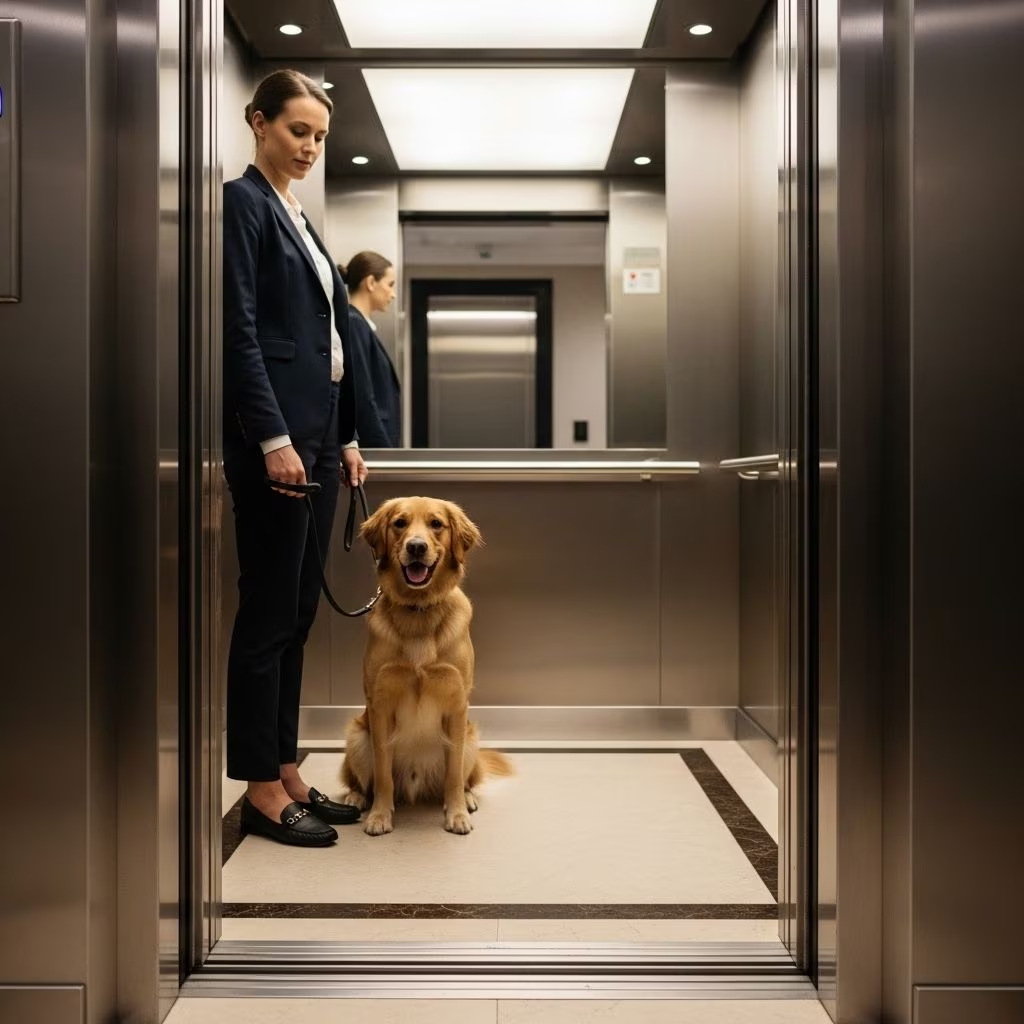
Navigating elevators with dogs requires a blend of training, awareness, and courtesy. In high-rise buildings, hotels, and offices, these confined spaces demand that pets remain calm, controlled, and unobtrusive to ensure safety and respect for all passengers. Proper preparation transforms potentially chaotic rides into smooth experiences, reducing stress for dogs, owners, and bystanders alike.
Why Elevator Training Matters for Urban Dogs
Dogs in cities frequently encounter elevators, where tight quarters amplify issues like jumping, pulling, or fear responses. Untrained dogs risk injury from doors, gaps, or sudden movements, while poor behavior can unsettle others, including those with phobias or service animals. Training fosters reliability, preventing separations or conflicts and promoting positive public perceptions of pets.
Key benefits include enhanced safety during threshold crossings, where paws can slip into gaps, and better impulse control amid distractions. Owners gain confidence in multi-occupant scenarios, aligning with community standards in shared spaces.
Foundational Commands for Elevator Success
Before elevator practice, solidify basics like sit, stay, wait, and loose-leash walking. These form the backbone of controlled behavior.
- Sit-Stay: Keeps dogs grounded, preventing lunges at doors or people.
- Wait: Pauses entry/exit until cued, avoiding rushes.
- Focus Cue: Directs attention to the owner, ignoring temptations.
- Body Blocking: Uses the owner’s position to shield from interactions.
Practice these in low-distraction areas first, using high-value rewards like chicken or cheese to build enthusiasm.
Step-by-Step Elevator Training Protocol
Introduce elevators gradually during quiet times to build positive associations. Aim for short, frequent sessions to prevent overwhelm.
Phase 1: Threshold Confidence
The gap between floor and elevator unnerves many dogs. Start by repeatedly entering and exiting without closing doors.
- Walk on/off with a loose leash, rewarding calm focus.
- Cue ‘sit’ inside, treating for steady positioning.
- Play briefly with a tug toy to associate fun with the space.
Repeat 10-15 times per session until fluid.
Phase 2: Door and Motion Desensitization
Progress to door cycles and movement.
- Close doors, feed treats continuously; open and exit praising heavily.
- Feed only during upward motion initially, as it’s less startling than downward.
- Pair with verbal excitement like ‘Yes!’ on door opens to anticipate rewards.
For downward trips, go up one floor first, then descend while treating, reinforcing loose leash manners upon exit.
Phase 3: Multi-Floor and Distraction Proofing
Extend rides, introducing mild distractions like sounds or mirrors.
| Level | Duration | Rewards | Goal |
|---|---|---|---|
| Beginner | 1-2 floors | High-value treats | Calm entry/exit |
| Intermediate | 3-5 floors | Verbal praise + treats | Focus amid motion |
| Advanced | Full trips | Praise/petting | Ignore distractions |
Position dogs between you and the wall for protection.
Elevator Etiquette Guidelines for Owners
Courtesy elevates experiences. Follow these to model responsibility.
- Wait 3 Feet Back: Cue ‘sit’ away from doors, yielding to exits first.
- Short Leash Only: No retractables; keep dogs close to enter/exit as a unit.
- Pick Up Small Dogs: Hold to avoid stepping hazards and ease fears.
- Block and Direct: Step to a corner, body-block greetings, cue ‘sit-stay’.
- No Unsolicited Interactions: Ask permission before allowing sniffs or play.
With multiple dogs, maintain separation unless owners agree.
Safety Considerations in Confined Spaces
Elevators pose unique risks: sudden stops, crowds, and aggressive reactions. Small dogs face trampling; larger ones may intimidate.
- Monitor for anxiety signs like panting or freezing; counter with treats.
- Protect service dogs by positioning defensively.
- In emergencies, prioritize calm exits without pulling.
Urban vets note reduced incidents with trained pets, emphasizing prevention.
Common Challenges and Solutions
Fearful Dogs: Use counter-conditioning: treats during motion build tolerance. Opt for stairs temporarily if needed.
Excitable Greeters: Practice ‘leave it’ and body blocks; narrate control to reassure others.
Threshold Balking: Carry over gaps initially, fading support gradually.
Crowded Elevators: Skip if possible or tuck dog tightly, rewarding stillness.
Advanced Tips for Service and Therapy Dogs
Service dogs require unflappable demeanor. Refine with public practice, ignoring wheelchairs or uniforms. Etiquette includes tight tucks against handlers, minimizing space. Therapy dogs benefit from ‘down-stay’ for stability.
Building Long-Term Reliability
Generalize training across buildings. Vary rewards to verbal cues, maintaining manners without food. Regular refreshers prevent regressions, especially post-vacations.
Frequently Asked Questions (FAQs)
Can puppies learn elevator manners?
Yes, start after vaccinations with short sessions. Puppies adapt quickly to positive reinforcement.
What if my dog hates downward motion?
Treat heavily during descent; practice ups first. Some prefer stairs long-term.
Is it okay to greet other dogs in elevators?
Only with explicit permission; default to no for safety.
How long until my dog is elevator-ready?
1-4 weeks with daily practice, depending on baseline skills.
What treats work best?
Soft, smelly options like hot dogs or cheese for quick delivery.
Partnering with Professionals
For persistent issues, consult certified trainers specializing in urban environments. Group classes simulate crowds effectively.
References
- Elevate Your Etiquette: Dogs in Elevators — Whole Dog Journal. 2023-10-15. https://www.whole-dog-journal.com/training/elevate-your-etiquette-dogs-in-elevators/
- Training Your Dog to Ride an Elevator — Paws Abilities. 2016-02-08. https://paws4udogs.wordpress.com/2016/02/08/training-your-dog-to-ride-an-elevator/
- How to Train Your Dog to Behave in the Elevator — Applause Your Paws. N/A. https://www.applauseyourpaws.com/how-to-train-your-dog-to-behave-in-the-elevator-miami-dog-and-puppy-training/
- What is the elevator etiquette for dogs? — Pawtopia. N/A. https://pawtopia.com/elevator-dog-eitiquette/
- Elevator Manners — KeenDog Training. N/A. https://www.keendogtraining.com/blog/dog-training-101-elevator-manners
- Elevator Training and Etiquette for Service Dogs — YouTube (DoggyU). N/A. https://www.youtube.com/shorts/uGFaEZE9L40



