

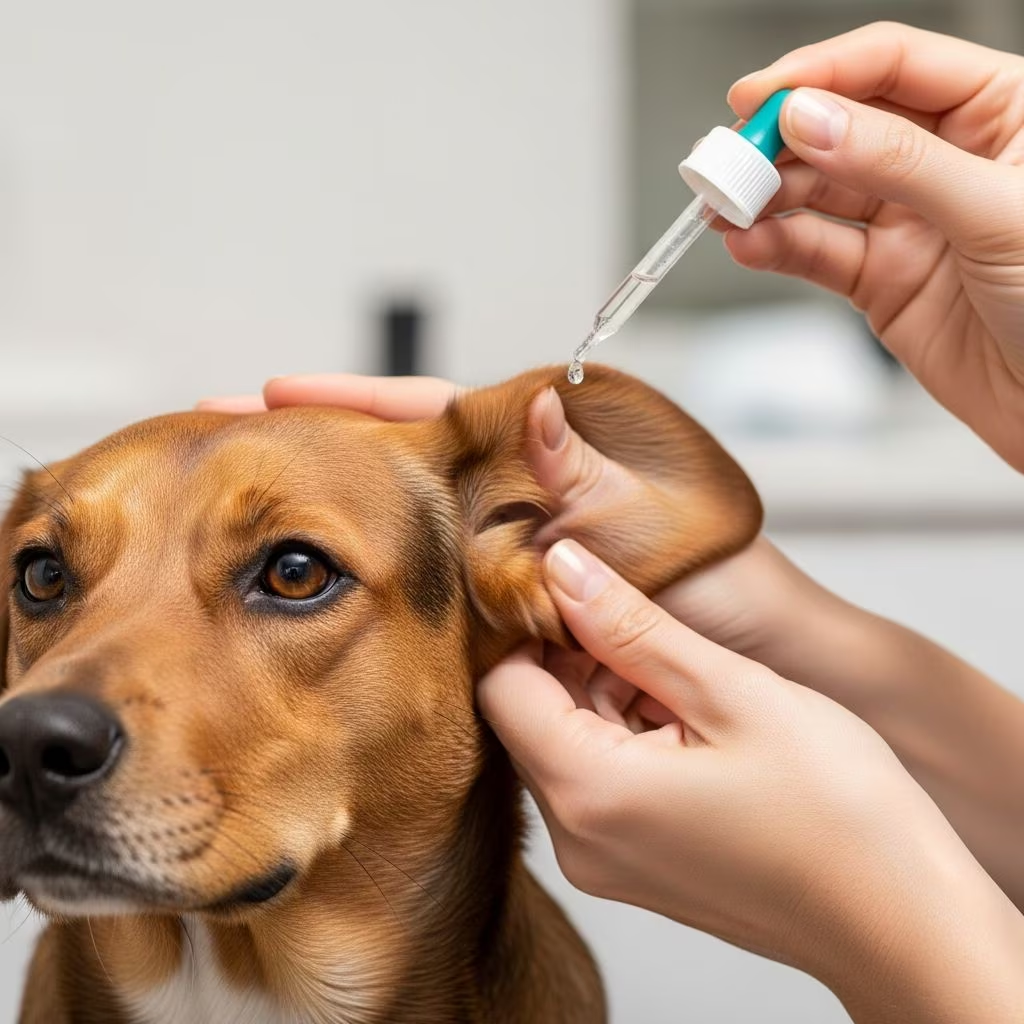
Administering ear drops to dogs requires patience, the right approach, and knowledge of canine ear anatomy to ensure effective treatment without causing distress. This comprehensive guide provides practical steps, safety tips, and strategies to make the process smooth for both you and your pet.
Understanding Canine Ear Anatomy
Dogs possess an L-shaped ear canal, which differs significantly from human ears. This structure, with a vertical and horizontal section, traps moisture, debris, and wax, making infections common. The ear flap, or pinna, helps direct sound but also collects dirt. When applying drops, lifting the pinna straightens the canal for deeper medication reach. Recognizing this anatomy prevents injury and improves efficacy.
Recognizing Signs of Ear Issues
Early detection prompts timely treatment. Watch for head shaking, scratching at ears, foul odor, redness, swelling, discharge, or balance problems. These symptoms signal infections, yeast overgrowth, or allergies. Consult a vet for diagnosis before starting drops, as improper use can worsen conditions.
Essential Supplies for Ear Treatment
Gather these items beforehand:
- Veterinarian-prescribed ear drops or ointment
- Cotton balls or gauze pads
- Syringe or dropper for precise dosing
- Treats for positive reinforcement
- Towel for cleanup
- Gloves to protect your hands
Having everything ready minimizes stress during application.
Preparing the Medication Properly
Medication preparation sets the tone. Warm drops to body temperature by holding the bottle under lukewarm water for 30 seconds. Test on your wrist; it should feel neutral, not cold or hot, to avoid shocking sensitive ear tissues. Shake well if instructed. For ointments, ensure the applicator is clean. Practice squeezing on a tissue to gauge drop flow.
Safe Restraint Techniques
Secure positioning prevents accidents. For small dogs, sit on the floor cradling them between your legs, head facing away. Larger breeds may need a helper to hold the body gently. Use a towel wrap for wiggly pets, covering the eyes softly to calm them. Avoid tight grips; gentle firmness builds trust.
Step-by-Step Application Guide
- Clean the outer ear: Wipe visible debris with a damp cotton ball. Never probe deep to avoid damage.
- Lift the ear flap: Use one hand to pull the pinna upward and outward, exposing the canal entrance.
- Position the applicator: Hold the dropper or syringe just outside the canal opening—do not insert it. Angle slightly downward for gravity flow.
- Administer drops: Squeeze the prescribed amount slowly. For ointments with long tips, gently advance into the canal while lifted.
- Massage thoroughly: Release the flap and rub the ear base in circles for 20-30 seconds. A squishing sound confirms distribution.
- Allow shaking: Let your dog shake to expel excess, then praise lavishly.
Repeat for both ears if needed, spacing treatments per vet advice.
Tips for Resistant or Anxious Dogs
Many dogs resist due to past discomfort. Counter this with counter-conditioning:
- Desensitization sessions: Touch ears daily, rewarding calm behavior. Progress to holding the flap up.
- Dry runs: Mimic the process without drops, pairing each step with high-value treats.
- Transparency: Let your dog see the bottle first to reduce surprise.
- Two-person team: One distracts with food while the other applies.
- Calming aids: Use pheromone sprays or anxiety wraps if severe.
Consistency turns dread into routine.
Dosage and Frequency Best Practices
Follow vet instructions precisely—over- or under-dosing risks resistance or incomplete healing. Common regimens: 5-10 drops per ear, twice daily for 7-14 days. Track applications in a log. If improvement lags after 3 days, revisit the vet.
| Medication Type | Application Method | Tips |
|---|---|---|
| Liquid Drops | Hover tip at entrance | Warm first, massage after |
| Ointment | Gently insert nozzle | Squeeze firmly, distribute well |
| Cleaner (non-medicated) | Cotton ball soak | Surface wipe only |
Post-Application Care
Monitor for reactions like increased redness or lethargy—stop and call the vet. Keep ears dry post-swim or bath. Regular checks prevent recurrence. Diet adjustments may address allergies fueling infections.
Frequently Asked Questions
Can I use human ear drops on my dog?
No. Canine ears have unique pH and bacteria; human products can harm.
What if my dog shakes everything out immediately?
Massage longer and use a cone collar temporarily to retain medication.
How do I know if the drops are working?
Expect less odor, scratching, and discharge within days. Full resolution varies.
Is it safe to clean ears before drops?
Yes, but superficially. Deep cleaning risks pushing debris inward.
What breeds are prone to ear problems?
Floppy-eared like Spaniels, Labs, and hounds due to poor ventilation.
Preventing Future Ear Problems
Proactive care is key. Dry ears after water exposure. Weekly gentle cleanings with vet-approved solutions. Trim excess hair in canals for breeds like Poodles. Balanced omega-3 diets support skin health. Routine vet exams catch issues early.
Mastering ear drops empowers you to manage your dog’s health effectively. With practice, what starts as a battle becomes a bonding moment, ensuring your companion stays comfortable and infection-free.
References
- No Drama: How to Give Your Dog Ear Drops Without a Fight — FY Dog Training. Accessed 2026. https://fydogtraining.com/training-tips/how-to-give-your-dog-ear-drops-without-a-fight
- How to give your dog ear and eye drops — Dogs Trust. Accessed 2026. https://www.dogstrust.org.uk/dog-advice/health-wellbeing/at-home/giving-ear-eye-drops
- Apply Ear Medications — Rolesville Veterinary Hospital. Accessed 2026. https://rolesvillepetcare.com/apply-ear-medications/
- How to Put Medication in Your Dog’s Ears — YouTube (Veterinary demonstration). Accessed 2026. https://www.youtube.com/watch?v=CSb4HWqtB0k
- How To Give Ear Drops To Dogs — Petplan UK (YouTube). Accessed 2026. https://www.youtube.com/watch?v=TRZPHPZmFzQ
- Giving Ear Medications to Uncooperative Pets — TVMF Pet Health Care. Accessed 2026. https://www.tvmf.org/articles/giving-ear-medications-uncooperative-pets/
- Remedies for Dog Ear Infections — WebMD Pets. Accessed 2026. https://www.webmd.com/pets/dogs/remedies-for-dog-ear-infections



