
Mastering Drop It: Train Your Dog to Release on Command
Unlock safe and fun play with your dog by teaching the essential 'drop it' command through proven, positive reinforcement techniques.
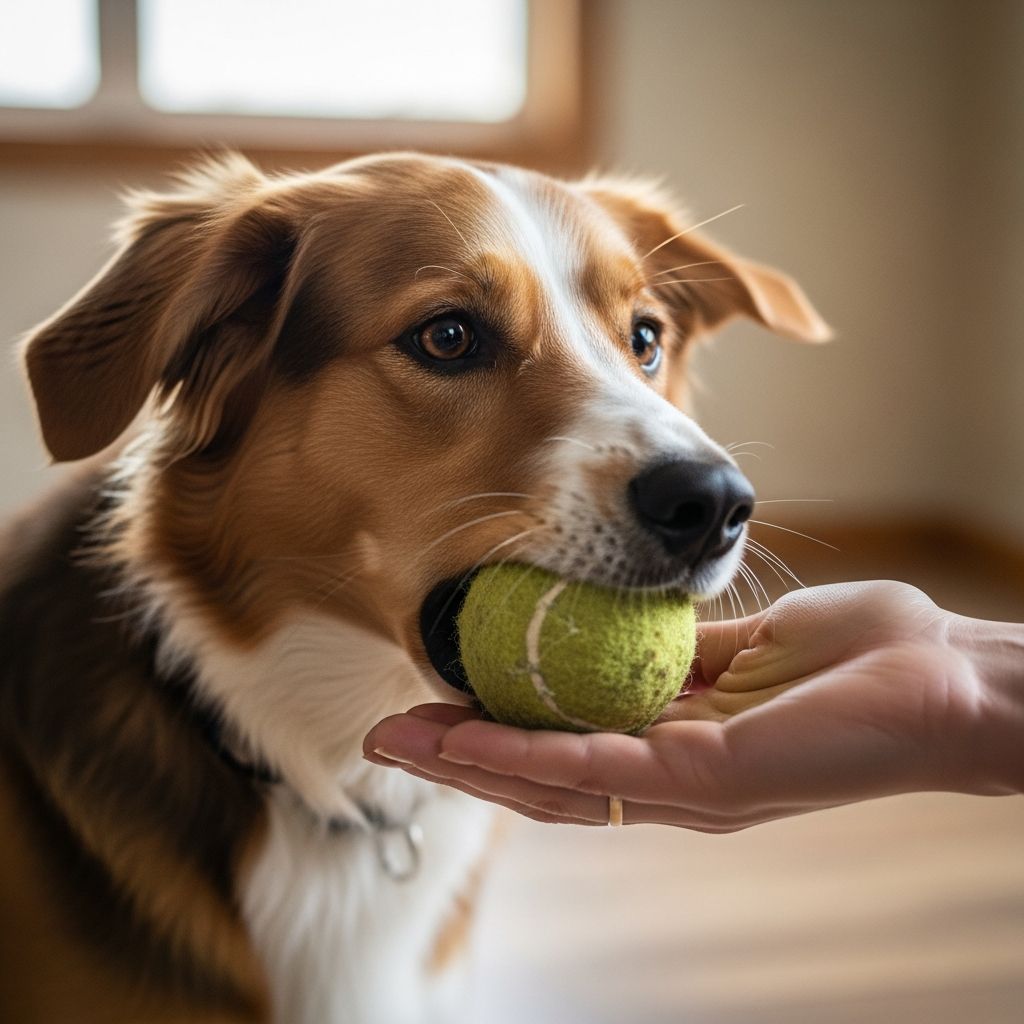
Teaching your dog to release items on command is a foundational skill that promotes safety, strengthens your bond, and makes daily interactions smoother. Whether your pup grabs forbidden socks, hazardous debris, or during intense play sessions, the ‘drop it’ cue ensures quick compliance without force or frustration.
Why the Drop It Command Matters for Every Dog Owner
Every dog explores the world mouth-first, especially puppies and tactile breeds like retrievers or shepherds. This natural curiosity can lead to risks: ingesting toxic substances, sharp objects, or even sparking resource guarding behaviors. A reliable drop it response prevents vet visits and turns potential conflicts into cooperative moments.
Positive reinforcement-based training builds trust, unlike punishment which can erode it. Studies from the American Veterinary Society of Animal Behavior emphasize reward-focused methods for long-term reliability. Owners report fewer incidents after mastering this cue, fostering harmonious homes.
Foundational Principles Before Starting Training
Success hinges on preparation. Use high-value treats like small pieces of chicken, cheese, or commercial training rewards that outshine the item’s appeal. Sessions should last 5-10 minutes, 2-3 times daily, in low-distraction environments. Patience is key—expect 1-2 weeks of consistent practice for fluency.
- Choose the right cue: ‘Drop it’, ‘out’, or ‘release’—pick one and stick to it.
- Tools needed: Toys of varying appeal, treats, clicker (optional for precise marking).
- Mindset: End sessions positively; never chase or pry items forcefully.
Step-by-Step Guide: Building the Drop It Behavior
Begin with controlled setups to shape the response gradually.
Phase 1: The Trade Technique
Start with a low-value toy your dog enjoys mildly. Encourage engagement by waving it enticingly.
- Let your dog take the toy in their mouth.
- Hold a superior treat near their nose while saying ‘drop it’ calmly.
- The moment they release, mark with ‘yes!’ or a clicker and deliver the treat.
- Praise enthusiastically, then re-offer the toy with ‘take it’ to keep play alive.
Repeat 10-15 times per session. If no release, use a less exciting toy or better treat. This teaches that dropping yields better rewards.
Phase 2: Introducing the Verbal Cue
Once dropping is consistent (80% success), fade the treat lure slightly.
- During tug or hold, say ‘drop it’ then present the treat.
- Progress to saying ‘drop it’, pause 1-2 seconds, then treat if released.
- Mark and reward multiple drops before re-engaging play.
Vary play duration to prevent anticipation games. Test occasionally without a trade: hold the toy still post-cue. Reward generously if they drop anyway.
Phase 3: Proofing for Reliability
Graduate to higher-value items and distractions.
- Item escalation: Move to favorite toys, then food chews (supervised only).
- Distance training: Practice from 3-6 feet away, using a long leash if needed.
- Distractions: Add mild noise, walks, or other dogs gradually.
For fetch games: Toss toy, command ‘drop it’ on return before chewing. This integrates seamlessly into play.
Common Challenges and Proven Solutions
Troubleshooting keeps progress steady.
| Challenge | Solution |
|---|---|
| Dog ignores cue | Lower item value; increase treat appeal. Ensure calm delivery. |
| Guarding or aggression | Consult professional trainer. Never force; build positive associations first. |
| Over-excitement during play | Hold toy still on cue; use timeout if needed, then resume. |
| Regression in new environments | Revert to easier phases; practice frequently in varied spots. |
Toy-motivated dogs may prefer toy trades: Offer a second, equally enticing item. Timing is critical—cue precedes trade by 1 second.
Advanced Applications: Real-Life Scenarios
Apply drop it beyond toys for safety.
- Hazardous finds: During walks, command before investigation. Practice with look-alikes like sticks.
- Resource guarding prevention: Trade during meals or chews proactively.
- Multi-dog homes: Teach all dogs to avoid toy conflicts.
- Senior dogs: Adapt with softer treats; cognitive benefits abound.
For strong pullers, combine with ‘leave it’ for comprehensive control.
Integrating Drop It with Other Essential Cues
Layer commands for a well-rounded repertoire.
- With ‘sit’ or ‘look’: Reward eye contact post-drop for focus.
- Recall synergy: Drop it aids safe returns with items.
- Leave it combo: Prevents pickup altogether.
Consistency across family members prevents confusion.
Long-Term Maintenance and Fun Drills
Randomize rewards to sustain response. Weekly ‘drop it games’ keep it fresh: Hide items, cue release on find.
Track progress in a journal: Note success rates, items, locations. Celebrate milestones with extra playtime.
Frequently Asked Questions
How long until my dog masters drop it?
1-4 weeks with daily practice; varies by age, breed, prior training.
What if my dog is food-aggressive?
Seek certified trainer; start with non-food items, focus on desensitization.
Can I teach puppies under 8 weeks?
Yes, gently; keep sessions playful and short.
Does breed affect difficulty?
Herding/retrieving breeds often excel; terriers may need more repetition.
What treats work best?
High-protein like liver, hot dogs; tiny pieces to avoid overfeeding.
Expert Insights on Positive Reinforcement
Behaviorists like those from the Certification Council for Professional Dog Trainers advocate trade methods for ethical training. Videos demonstrate nuances: calm energy, precise marking.
References
- Teaching Drop It with Positive Reinforcement — Kikopup (YouTube). 2015-approx. https://www.youtube.com/watch?v=gZvkyAFi7tc
- Drop It! Teaching Your Dog to Drop Anything Quickly and Easily — McCann Dogs Training. 2023-approx. https://www.mccanndogs.com/blogs/articles/drop-it-teaching-your-dog-to-drop-anything-quickly-and-easily
- AVSAB Position Statement on Punishment — American Veterinary Society of Animal Behavior (.org). 2021-07-22. https://avsab.org/wp-content/uploads/2018/03/Punishment_Decl_White_Paper_executive_summary_download.pdf
- Position Statement on Puppy Socialization — American Veterinary Society of Animal Behavior (.org). 2023. https://avsab.org/wp-content/uploads/2019/04/Puppy-Socialization-Position-Statement-download.pdf
Similar Articles








Read full bio of medha deb




