

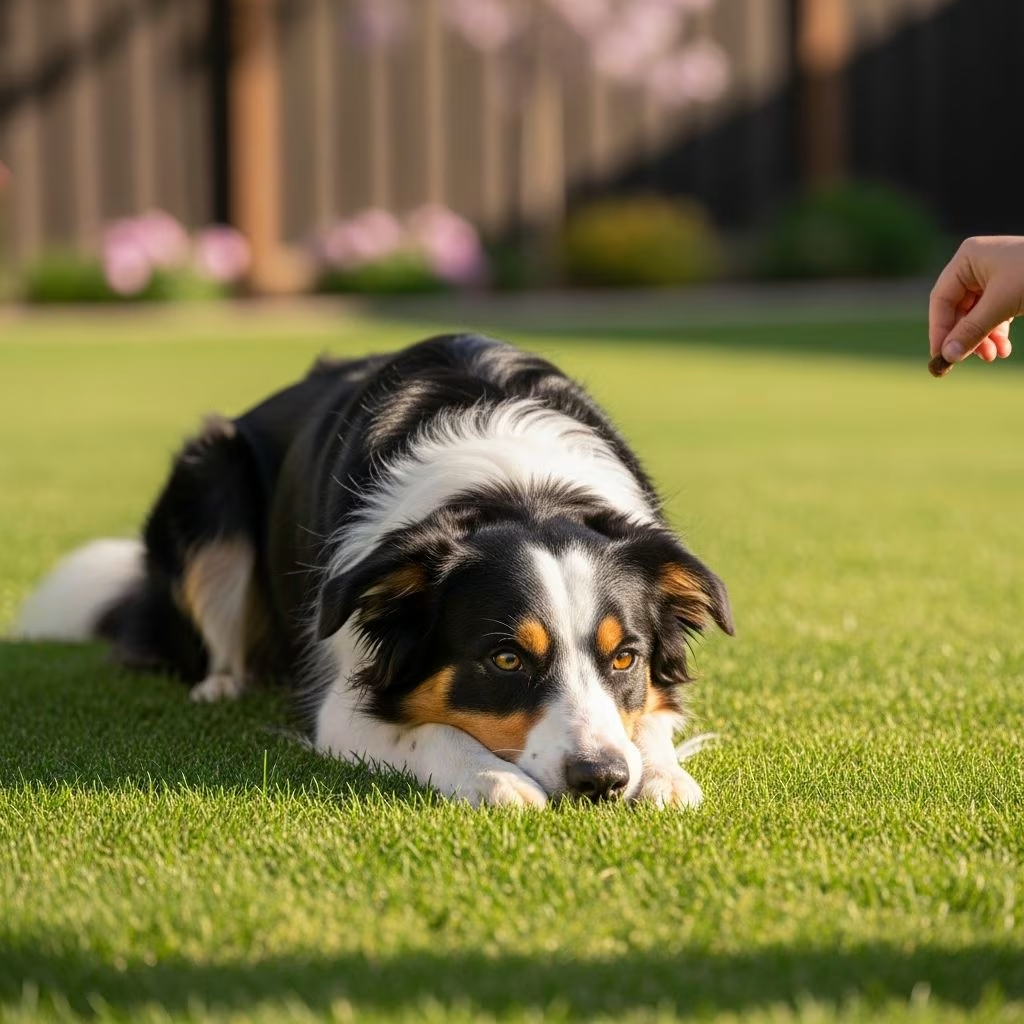
The down command is a foundational skill in dog training, promoting calmness and responsiveness in various environments. This versatile cue helps manage high-energy dogs, aids in behavior modification, and enhances safety during walks or public outings. By mastering it, owners foster a stronger bond through positive reinforcement, avoiding force-based methods that can erode trust.
Why the Down Position Matters in Canine Behavior
Teaching a dog to lie down on command signals relaxation and submission without intimidation. Unlike sitting, which keeps dogs alert and ready to spring up, the down position naturally lowers energy levels, making it ideal for settling restless pets during meals, vet visits, or family gatherings. Research from canine behavior experts highlights its role in reducing jumping and overexcitement, creating a more harmonious household.
From a safety perspective, a reliable down can prevent bolting in distracting settings. It serves as a precursor to advanced commands like stay or emergency stops, essential for recall in open areas. Positive training builds confidence, ensuring dogs associate the position with rewards rather than discomfort.
Preparation Essentials Before Starting Training
Success begins with the right setup. Choose quiet, low-distraction spaces like a living room or backyard initially. Use high-value treats such as small pieces of chicken, cheese, or soft commercial options to motivate without overfeeding. Toys work for play-driven dogs. Sessions should last 5-10 minutes, 3-5 times daily, ideally when the dog is moderately tired post-exercise to encourage compliance.
- Tools needed: Treats or toys, clicker (optional for precise marking), comfortable surface like a mat or bed to protect elbows.
- Dog readiness: Puppies as young as 8 weeks can learn; adults may need more patience if resistant.
- Mindset: Remain patient, end on successes, and avoid physical force which can create aversion.
Method 1: Luring Your Dog into Down
Luring guides the dog physically with a motivator, making it the fastest introductory technique for most pups. Start from a sit for shorter distance, or stand if sit isn’t mastered yet.
- Hold a treat at nose level while seated.
- Slowly lower it straight down between front paws, forming an L-shape by extending forward along the floor.
- As the dog stretches and lowers, mark with “yes” or click, then reward immediately while down.
- Repeat 5-10 times, fading the treat by using an empty hand signal (palm down, lowering gesture).
- Add verbal cue “down” just before the signal once reliable.
Troubleshooting: If the dog backs up instead of lying down, use a wall to limit retreat or lure under legs for larger breeds. Reward only in position to prevent “push-ups.”
| Common Luring Issue | Solution |
|---|---|
| Dog stands or sits up quickly | Feed treat directly to nose while prone; use higher-value rewards. |
| Refuses to follow lure | Increase treat value; train hungry but not starved. |
| Crawls instead of full down | Shorten lure distance; shape elbows bending. |
Method 2: Shaping the Behavior Step-by-Step
Shaping builds the down incrementally, rewarding successive approximations. Ideal for analytical dogs or luring failures, it teaches independent offering.
- Click/treat for glancing at floor.
- Progress to head lowering, then nose touching ground.
- Next, elbows bending; finally, full prone position with hindquarters down.
- Increase criteria gradually; sessions of 10-15 reps.
- Fade lure last, introduce cue at full behavior.
This method empowers dogs, reducing reliance on food prompts. Use a release cue like “free” to end holds, preventing frustration.
Method 3: Capturing Natural Downs
Capturing leverages voluntary downs, rewarding spontaneous occurrences to associate with cues. Perfect for laid-back dogs.
- Carry treats/toys constantly; mark and reward every natural down.
- Dog learns to offer behavior near you for gains.
- Once frequent, add cue seconds before down, then phase rewards variably.
Combine with tired timing post-play for quicker results. Patience yields dogs who down proactively.
Progressing to Reliable Stays and Distance
Once basic down is solid (80% success in new spots), layer duration and distance.
- Duration: Count seconds aloud (1-2 initially), rewarding while down. Gradually build to minutes using body position changes (stand, step away).
- Distraction proofing: Add mild noises, toys nearby; reinforce heavily.
- Distance: Step back one foot, return to reward; chain with hand signals.
Avoid popping up by delivering treats low and quick. Use beds/pedestals for comfort, transitioning to bare floors later.
Advanced Variations for Real-World Use
Elevate training with practical twists:
- Emergency down: Teach from movement; cue as dog steps forward, mark stop-and-down.
- Under-leg crawl: Form bridge with legs/stool, lure through to enforce prone entry.
- Group settings: Practice with family; vary cue givers.
Variable reinforcement schedules maintain long-term reliability without constant treats.
Frequent Mistakes and Fixes
Steer clear of pitfalls:
| Mistake | Why It Fails | Fix |
|---|---|---|
| Forcing hips down | Creates resistance/fear | Stick to rewards only |
| Rewarding stand-ups | Reinforces wrong behavior | Treat in position exclusively |
| Too many reps | Leads to boredom/frustration | Short, fun bursts |
| Ignoring breed traits | Herders resist prone | Tailor pace/method |
Benefits Across Dog Ages and Breeds
Puppies grasp quickly due to flexibility; seniors benefit from joint relief on soft surfaces. High-drive breeds like Border Collies need shaping for engagement; labs excel with luring. Consistency trumps intensity.
FAQs
What if my dog won’t lie down?
Tire them first, boost treat appeal, or switch methods. Never push.
How long until mastery?
1-2 weeks for basics with daily practice; fluency in 1-3 months.
Can I use toys instead of food?
Yes, for tug/predatory types; pair with praise.
Is a clicker necessary?
No, but it sharpens timing for precise learning.
What about training multiple dogs?
Work one-on-one; use names before cues.
References
- How to Teach Your Dog to Lie Down — American Kennel Club. 2023-05-15. https://www.akc.org/expert-advice/training/how-to-teach-dog-lie-down/
- Teaching the “Emergency Stop” (or “Flying Lie Down”) — Patricia McConnell (The Other End of the Leash). 2022-08-10. https://www.patriciamcconnell.com/theotherendoftheleash/teaching-the-emergency-stop-or-flying-lie-down/
- Dog Training 101: Down Command — Brandon McMillan (YouTube). 2021-06-20. https://www.youtube.com/watch?v=6WItBayQONc



