

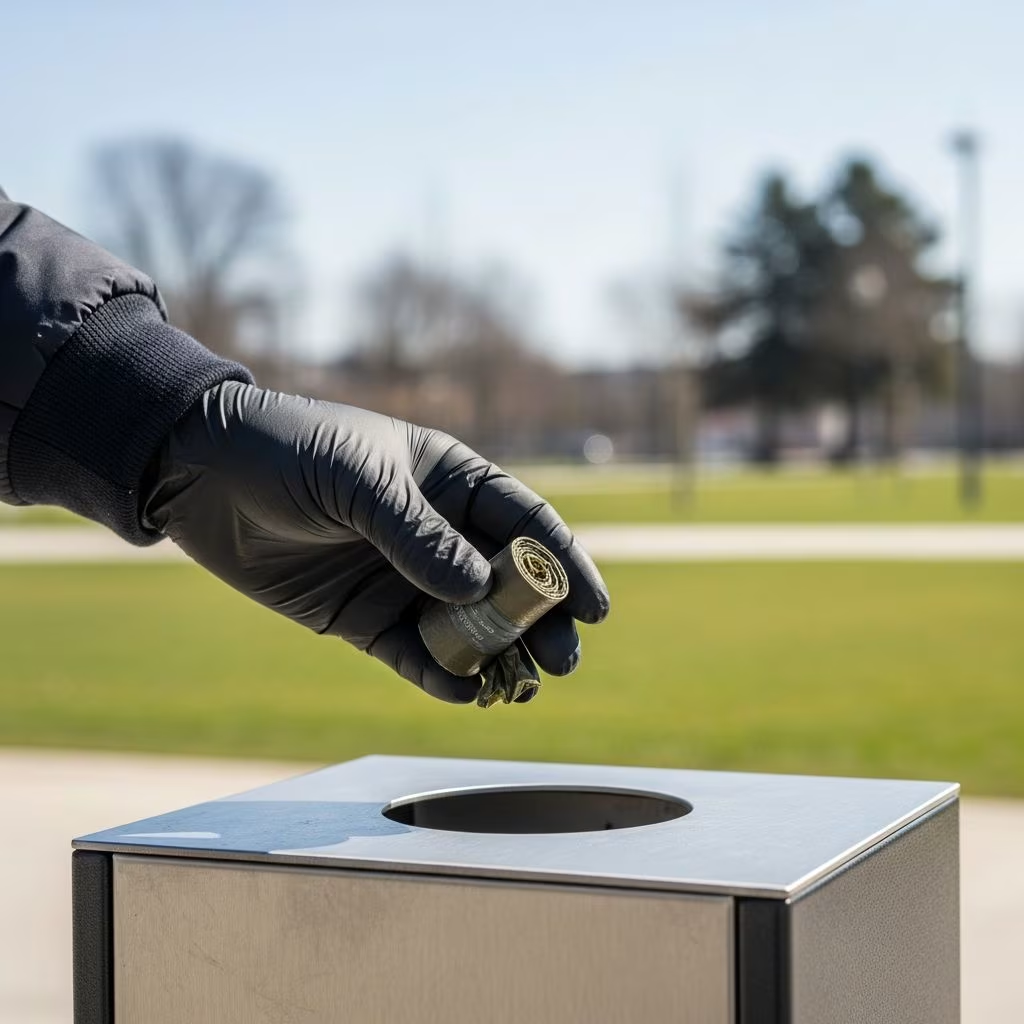
Dog ownership brings joy, but it also means handling waste responsibly. Proper management prevents health hazards, environmental damage, and neighborhood conflicts. This guide explores practical steps, tools, and innovative solutions for effective dog poop disposal.
Why Prompt Waste Removal Matters
Leaving dog feces on the ground allows bacteria, parasites, and nutrients to spread. Rain washes it into storm drains, polluting rivers and harming aquatic life. Pet waste contributes to over 20% of fecal bacteria in urban waterways, according to environmental agencies. Regular cleanup protects public health by reducing pathogens like E. coli and roundworms that can infect humans and animals.
In shared spaces like parks or apartments, uncollected waste creates odors, attracts pests, and frustrates neighbors. Consistent habits foster community harmony and demonstrate good stewardship.
Essential Tools for Efficient Cleanup
Investing in quality gear simplifies the task and encourages consistency. Key items include:
- Poop Scoopers: Long-handled models with claws or rakes minimize bending and contact. Jaw-style scoopers grab waste cleanly without bags for home use.
- Waste Bags: Durable, leak-proof options in rolls fit leash holders. Opt for biodegradable or compostable versions certified for breakdown in specific conditions.
- Gloves and Disinfectants: Nitrile gloves protect hands; pet-safe sprays kill germs on tools and surfaces.
- Storage Solutions: Portable dispensers attach to collars or leashes for walks; covered bins at home prevent odors.
Choose tools based on lifestyle—portable for urban walkers, heavy-duty for large yards.
Step-by-Step Cleanup Techniques
Success starts with routine. Follow these methods:
- Spot Immediately: Train eyes to locate waste during walks or yard checks. Act within hours to limit breakdown.
- Scoop Securely: Use a scooper or gloved hand over bag. Double-bag if moist to avoid leaks.
- Tie and Contain: Knot bags tightly; use scented varieties to mask smells.
- Dispose Properly: Head to bins or trash—never leave on-site.
For multi-dog homes, assign zones or schedules. Early morning or evening routines align with feeding cycles when dogs often eliminate.
Common Disposal Options Compared
Not all methods suit every situation. This table outlines pros, cons, and best uses:
| Method | Pros | Cons | Best For |
|---|---|---|---|
| Landfill Trash | Simple, accessible; contains waste effectively | Uses plastic bags; contributes to landfills | Apartments, walks |
| Flushing (Waste Only) | Sanitary treatment; no bags needed | Plumbing risks; not for septics | Homes with sewers |
| Composting (Dedicated) | Eco-friendly; reduces volume | Pathogen risks; space-intensive | Rural yards |
| Professional Service | Hands-off; compliant disposal | Costs money; scheduled | Busy owners |
| Incineration | Eliminates pathogens; volume reduction | Equipment cost; regulations | Kennels, farms |
Select based on location, septic status, and sustainability goals.
Health Risks of Neglected Waste
Dog feces harbor parasites like hookworms and giardia, transmissible via soil or paws. Children and immunocompromised individuals face higher risks from contaminated play areas. In kennels, poor management spreads diseases rapidly. Bacteria thrive in warm, moist waste, drawing flies and rodents that carry further pathogens.
Nutrient overload from feces fuels algae blooms in water bodies, killing fish and disrupting ecosystems. Human waste differs slightly, but dog feces’ high nitrogen exacerbates issues.
Legal Requirements and Community Standards
Most cities mandate cleanup in public spaces, with fines up to $500 for violations. Private properties often have HOA rules requiring prompt removal. Check local codes—some ban flushing or composting. Dog waste stations in parks signal expectations; use them to set examples.
In rentals, landlords may enforce yard maintenance clauses. Nationwide laws emphasize containment to protect stormwater systems.
Eco-Conscious Disposal Innovations
Sustainability evolves with options like:
- In-Ground Digesters: Underground tanks use bacteria to decompose waste onsite. Low-maintenance for yards.
- Biodegradable Bags: PVA-based dissolve in water or compost facilities, but verify certifications.
- Municipal Programs: Drop-off composting in some areas processes bags industrially.
- Enzyme Additives: Accelerate breakdown in pits or composters safely.
Avoid backyard composting without high-heat systems, as pathogens persist below 140°F. Flushing suits sewers per EPA guidance, but skip septics.
Handling Waste in Various Settings
Urban Walks and Parks
Carry multiple bags; use public stations. Scout routes with bins to avoid carrying far.
Large Properties and Rural Areas
Daily patrols with ATV scoopers cover ground. Digesters or septic integrations work well.
Multi-Pet Households or Kennels
Zone areas; schedule team cleanings. Secure bins and disinfect weekly.
Travel and Camping
Pack out waste; bury temporarily if needed, but prefer bags for transport.
Tips to Minimize Waste Volume
Diet impacts stool size—high-fiber foods firm output. Hydration prevents diarrhea. Training designates potty spots, concentrating cleanup. Probiotics support digestion for less frequent, smaller deposits.
Training Dogs for Better Management
Teach commands like “go potty” in preferred areas. Reward consistency to build habits. Puppies benefit from crate training to predict schedules. Consistent spots reduce yard scatter.
Frequently Asked Questions
Can I compost dog waste in my regular bin?
No—use dedicated pet composters with high temperatures to kill pathogens. Apply only to ornamentals.
Are biodegradable bags truly eco-friendly?
Only in industrial facilities; home composting often fails them. Check ASTM D6400 standards.
What if I have a septic system?
Avoid flushing dog waste—it clogs and overwhelms bacteria.
How often should I clean my yard?
Daily for one dog; more for multiples. Prevent accumulation.
Do waste stations in parks accept bagged poop?
Yes, designed for it—helps contain community waste.
Building Lasting Cleanup Habits
Pair cleanup with rewards like treats post-walk. Apps track routines and remind schedules. Involve family for shared duty. Visible progress motivates—yards transform quickly.
Embrace responsibility for cleaner spaces. Small actions compound into healthier homes and planets.
References
- Dog Kennel Waste Management: Best Practices — Inciner8. 2023. https://www.inciner8.com/blog/animal-incineration/dog-kennel-waste-management-best-practices-for-clean-and-healthy-environments
- Sustainable Pet Waste Removal: What You Need to Know — Jiminy’s. 2023. https://jiminys.com/blogs/sustainability/sustainable-pet-waste-removal-what-you-need-to-know
- Best Sustainable Ways to Dispose of Dog Poop — Leashless Lab. 2023. https://leashlesslab.com/blogs/lab-notes-dogs-craft-beer-sustainability/embracing-dog-poop-shame-eco-friendly-methods-to-get-a-handle-on-your-shit-copy
- Where to Put Dog Poop Bags: Responsible Disposal Methods — Earth Rated. 2023. https://www.earthrated.com/blogs/blog/where-to-put-dog-poop-bags-responsible-disposal-methods
- Guide To Dog Waste Management — Zero Waste USA. 2023. https://zerowasteusa.com/guide-to-dog-waste-management/
- The Importance of Regular Pet Waste Removal — Doggydoggz. 2023. https://doggydoggz.com/the-importance-of-regular-pet-waste-removal-for-a-clean-and-healthy-environment/
- Stormwater Best Management Practice, Pet Waste Management — EPA. 2023-01-01. https://www.epa.gov/system/files/documents/2023-01/bmp-pet-waste-management.pdf



