

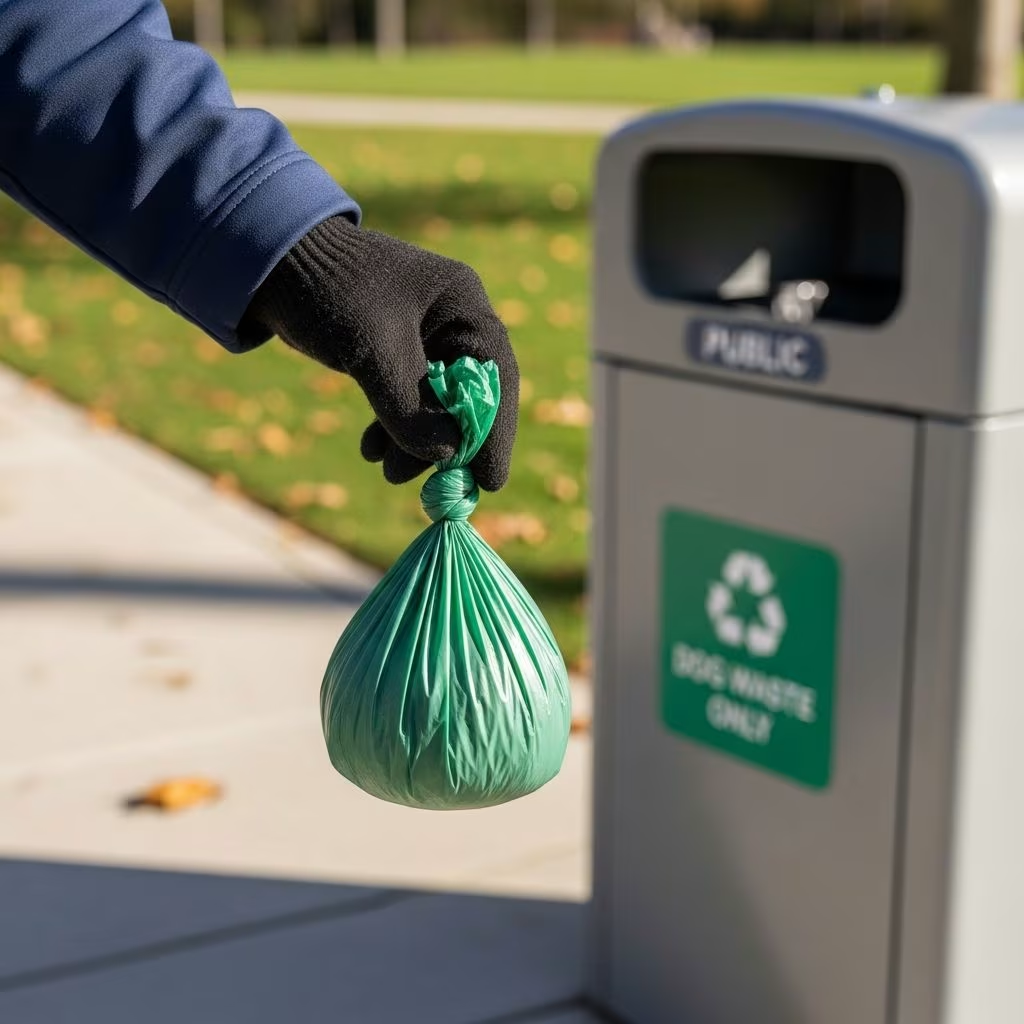
Dog waste management is a fundamental aspect of responsible pet ownership, impacting public health, environmental quality, and community harmony. Untreated pet feces can harbor pathogens and contribute to water pollution, making proper cleanup essential for everyone sharing outdoor spaces. This guide explores practical techniques, health considerations, sustainable options, and community strategies to handle dog poop effectively.
Health Risks Linked to Improper Dog Waste Handling
Dog feces contain harmful bacteria, parasites, and viruses that pose risks to humans, wildlife, and other pets. Pathogens like roundworms can survive in soil for years, with studies showing 14% prevalence in the U.S. population. When rain washes waste into storm drains, it contaminates waterways, leading to algal blooms and degraded drinking water sources. Children playing in parks and gardeners are particularly vulnerable to soil-transmitted infections from overlooked deposits.
Neglecting cleanup also attracts pests such as flies and rodents, exacerbating disease spread. In shared areas like apartments or trails, accumulated waste creates odors and slippery hazards, increasing slip-and-fall incidents. Proactive removal prevents these issues, fostering safer environments for all.
Core Principles of Effective Waste Pickup
Success starts with reliable tools and habits. Always carry extra bags on walks, tailored to your dog’s elimination frequency—typically 2-4 times daily for adults. Use sturdy, leak-proof bags to avoid double-bagging mishaps, and opt for those with ties for secure sealing.
For yards, invest in ergonomic scooper tools like claw grabbers or rakes paired with dustpans, minimizing direct contact. Gloves provide an extra hygiene layer, especially in multi-pet households. Establish a daily routine: morning yard checks followed by evening sweeps ensure no buildup.
Standard Disposal: Bagging and Trash Methods
The simplest approach is bagging waste and placing it in municipal trash. This contains contaminants, preventing runoff into ecosystems. Double-bag for added security, tying knots tightly to shield waste handlers. Avoid regular compost bins, as they rarely hit the 140°F needed to kill pathogens.
Check local ordinances, as some areas designate pet-specific bins. In apartments, use lidded outdoor receptacles to deter animals. This method suits urban dwellers and renters, balancing convenience with sanitation.
Sustainable Alternatives to Traditional Trashing
Environmentally conscious owners seek greener paths. Dedicated pet waste composters maintain high heat (over 140°F) and separate processing from garden compost, yielding material safe only for ornamental plants after 6-12 months. Home setups require monitoring moisture and turning for aeration.
Pet waste digesters offer a hands-off yard solution. These buried systems use bacteria and enzymes to break down feces naturally, ideal for homeowners with space. Installation involves digging a pit, adding starter treatments, and regular deposits—minimal upkeep follows. Pros include reduced landfill use; cons are upfront costs and unsuitability for apartments.
Flushing as a Viable Option
In sewage-connected homes, flushing unpackaged waste sends it to treatment plants designed for biological breakdown. Never flush bags or use with septic systems, which risk clogs and contamination. Verify municipal rules first—this method cuts plastic waste but demands proximity to a toilet, limiting walk use.
Community and Public Space Solutions
Shared areas benefit from installed stations: posts with locked bag dispensers and lidded cans encourage compliance. Complete units separate pet waste from general trash, with weekly servicing by maintenance teams, HOAs, or professionals. Signage reinforces norms, boosting participation rates.
Local composting drop-offs, where available, process bagged waste industrially. Participate in cleanups to model behavior and educate others. For multi-unit properties, advocate for stations to centralize management and cut illegal dumping.
Yard and Home-Specific Strategies
Designate a waste zone away from play areas or gardens. Weekly professional services handle volume for busy owners, using double-bagging for transport. Enzyme sprays neutralize odors post-removal, preventing lawn burn from urine concentration.
For large yards, divide into zones for systematic scooping. Rake clippings separately to avoid mixing with waste. In winter, frozen piles hide risks—use heated tools if needed.
Selecting the Best Bags and Accessories
Durability trumps thinness: thick gauges resist tears during pickup. Biodegradable options shine in certified facilities but degrade slowly in landfills—choose based on local infrastructure. Dispenser clips attach to leashes for hands-free access.
| Bag Type | Pros | Cons | Best For |
|---|---|---|---|
| Standard Plastic | Cheap, strong | Non-biodegradable | Trash disposal |
| Biodegradable | Eco-friendlier | Needs specific conditions | Compost programs |
| Compostable | Breaks down fully | Costlier, fragile | Industrial composting |
Frequently Asked Questions
Can I compost dog waste in my regular bin?
No—standard home composts don’t reach pathogen-killing temperatures. Use pet-specific systems only, avoiding edible crops.
Is burying poop okay?
Avoid it; rain leaches bacteria into groundwater, mimicking septic failures.
What if I’m on a septic system?
Stick to trash bagging—flushing risks backups and pollution.
How often should I clean my yard?
Daily for small dogs, every 2-3 days for larger ones, or hire services for consistency.
Are there municipal pet waste programs?
Yes, many offer drop-offs or stations—contact waste management.
Overcoming Common Challenges
Forgetfulness strikes during long hikes—clip multiple bags visibly. Messy pickups? Practice with inverted bags over hands. In rainy weather, quick seal-and-stash in a portable container until home. Educate kids on responsibility to share the load.
Winter woes include hidden ice-covered waste; use flashlights and sturdy boots. For elderly owners, long-handled scoopers reduce bending. Consistency builds habits, turning chore into routine.
Long-Term Environmental Impact
Collective action scales benefits: reduced waterway pollution, healthier soils, and vibrant parks. Programs like EPA stormwater initiatives highlight pet waste’s role in urban runoff—simple habits amplify change. Pair with low-phosphorus diets to minimize waste volume.
Track progress via apps logging cleanups, motivating sustained effort. Communities with stations see higher compliance and pride in maintained spaces.
References
- Pet Waste Best Practices — RE Sources. 2016-05. https://www.re-sources.org/2016/05/pet-waste-best-practices/
- Where to Put Dog Poop Bags: Responsible Disposal Methods — Earth Rated. N/A. https://www.earthrated.com/blogs/blog/where-to-put-dog-poop-bags-responsible-disposal-methods
- Guide To Dog Waste Management — Zero Waste USA. N/A. https://zerowasteusa.com/guide-to-dog-waste-management/
- Dog Poop Disposal: The Importance of Cleaning Up After Your Dog — American Kennel Club. N/A. https://www.akc.org/expert-advice/advice/dog-poop-cleanup/
- The Importance of Regular Pet Waste Removal for A Clean and Healthy Environment — Doggydoodz. N/A. https://doggydoggz.com/the-importance-of-regular-pet-waste-removal-for-a-clean-and-healthy-environment/
- How to Properly Dispose of Pet Waste — DoodyCalls. N/A. https://www.doodycalls.com/articles/blog/lawn-care-for-dog-owners/how-to-properly-dispose-of-pet-waste/
- Stormwater Best Management Practice, Pet Waste Management — EPA. 2023-01. https://www.epa.gov/system/files/documents/2023-01/bmp-pet-waste-management.pdf



