

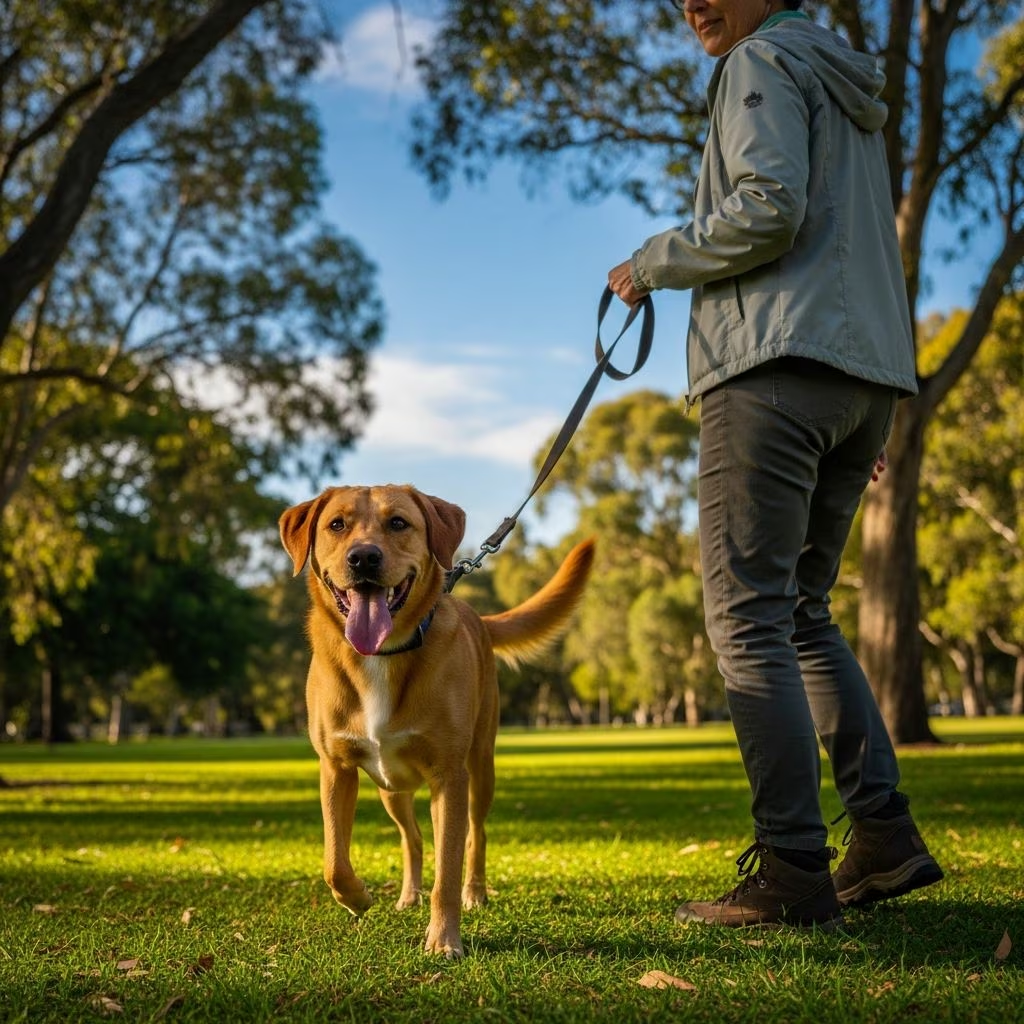
Daily walks provide essential exercise, mental stimulation, and bonding opportunities for dogs and their owners. Proper techniques ensure these outings are safe and enjoyable, preventing common issues like pulling or distraction.
Essential Equipment for Effective Walks
Selecting appropriate gear forms the foundation of successful dog walking. A well-fitted collar or harness distributes pressure evenly, reducing injury risk during pulls. Standard flat collars work for most dogs, but strong pullers benefit from front-clip harnesses that redirect forward momentum.
Leashes should measure about 6 feet for optimal control without restricting natural movement. Durable materials like nylon or leather withstand daily use. Avoid retractable leashes initially, as they can encourage pulling by allowing too much freedom.
- Collar fit check: Slide two fingers under it comfortably.
- Harness advantage: Prevents throat pressure on necks.
- Leash length: Balances control and exploration space.
For extreme weather, consider booties to protect paws from hot pavement or ice, ensuring comfort on varied surfaces.
Building a Strong Leash Training Foundation
Leash training begins in low-distraction environments, such as a quiet yard. Introduce the leash gradually, pairing it with positive experiences like treats to create positive associations. Short sessions prevent overwhelm, allowing dogs to adjust to the sensation.
Positive reinforcement accelerates learning. Reward calm walking with treats, praise, or toys. Hold rewards in one hand while managing the leash in the other, marking good behavior with a cue like “yes” followed by the reward.
| Training Stage | Focus | Duration |
|---|---|---|
| Beginner | Leash familiarity | 5-10 minutes |
| Intermediate | Loose leash walking | 15-20 minutes |
| Advanced | Distraction handling | 30 minutes |
Commit to daily practice, splitting into multiple short walks if needed. Consistency builds habits, transforming chaotic pulls into polite heeling.
Techniques for Loose Leash Walking
Achieving a loose leash—where it forms a gentle “J” shape—eliminates tension and opposition reflexes. When your dog forges ahead, stop immediately or change direction. Reward re-engagement with praise and forward movement.
Incorporate “check-ins,” rewarding voluntary eye contact during walks. This maintains focus without constant commands. For sniff-obsessed dogs, alternate structured heeling with sniffing breaks, using cues like “watch me” or “leave it” to regain attention.
Practice directional changes: pivot unexpectedly and encourage following with an upbeat “this way.” This keeps dogs attentive and reinforces your leadership role.
Safety Protocols During Outings
Prioritize safety to avoid accidents. Always check identification tags and microchip status before departing. Scout routes for hazards like traffic, uneven terrain, or aggressive animals.
- Walk against traffic on roadsides for visibility.
- Carry waste bags, water, and poop scoopers.
- Monitor weather: avoid extreme heat or cold.
For puppies or reactive dogs, maintain distance from triggers. Never allow off-leash walking outside designated areas, as recalls may fail in high-stimulation zones.
Incorporating Exercise and Mental Stimulation
Walks serve dual purposes: physical exertion and mental enrichment. Vary routes to expose dogs to new scents and sights, preventing boredom. Integrate training commands like sit, stay, or heel during pauses for cognitive workouts.
Mental fatigue often exceeds physical tiredness. Sniffing sessions engage powerful noses, equivalent to reading a newspaper for dogs. Balance pace: let them lead occasionally at their speed, then return to heeling.
Daily commitment—30 minutes minimum—yields calmer home behavior, reducing destructive tendencies from pent-up energy.
Addressing Common Walking Challenges
Pulling stems from excitement or frustration. Counter by planting feet and waiting for slack before resuming. Harsh corrections exacerbate issues; opt for management tools like head collars during retraining.
Lunging at distractions requires desensitization: practice at a distance where calm prevails, rewarding focus. Gradually close the gap as tolerance builds.
For fear-based reactions, build confidence through counter-conditioning, pairing triggers with high-value treats from afar.
Enhancing Walks with Fun Elements
Once basics solidify, add playfulness. Use toys for tug games at halts or hide treats along paths for scent work. Practice recalls in safe spaces, turning walks into adventure games.
Group walks with compatible dogs foster socialization, but supervise closely. Incorporate obstacles like park benches for agility practice, boosting joy and fitness.
Frequently Asked Questions (FAQs)
How often should I walk my dog?
Most adults need 30-60 minutes daily, adjusted for age, breed, and health. Puppies require shorter, frequent outings.
What if my dog pulls constantly?
Use positive methods: stop motion, change directions, and reward slack leashes. Professional trainers help persistent cases.
Is a harness better than a collar?
Harnesses suit pullers and brachycephalic breeds, reducing neck strain. Collars suffice for trained walkers.
Can I walk my dog in bad weather?
Shorten duration; use coats, booties for protection. Monitor for hypothermia or heat stress signs.
How do I handle reactive dogs on walks?
Maintain distance, use muzzle if needed, and employ counter-conditioning. Consult behaviorists for tailored plans.
Long-Term Benefits of Structured Walks
Consistent routines strengthen owner-dog bonds, improve obedience, and enhance overall well-being. Healthier dogs exhibit fewer behavioral problems, leading to happier households. Track progress with journals, celebrating milestones like first pull-free walks.
Expand skills seasonally: winter trail hikes or summer swims. Community dog walking groups offer motivation and shared tips.
References
- 3 Ways To Improve Your Dog’s Walk — American Kennel Club. 2023-05-15. https://www.akc.org/expert-advice/training/improve-your-dogs-walk/
- National Walk Your Dog Week – Tricks and Tips To Get a Polite Walker — GeniusVets. 2024-02-10. https://www.geniusvets.com/pet-care/learn/dogs/dog-exercise/blog/national-walk-your-dog-week-tricks-and-tips-get-polite-walker
- One Step at a Time: A Guide to Successful Dog Walking — Bark Busters. 2023-11-20. https://www.barkbusters.com/news/dog-walking-guide
- 15 Must-Know Dog Walking Tips [Complete Guide] — Sploot Vets. 2024-08-05. https://www.splootvets.com/post/dog-walking-tips
- Mastering “The Walk” with your Dog — Gooddoggie. 2023-07-12. https://www.gooddoggie.co.uk/mastering-the-dog-walk/



