

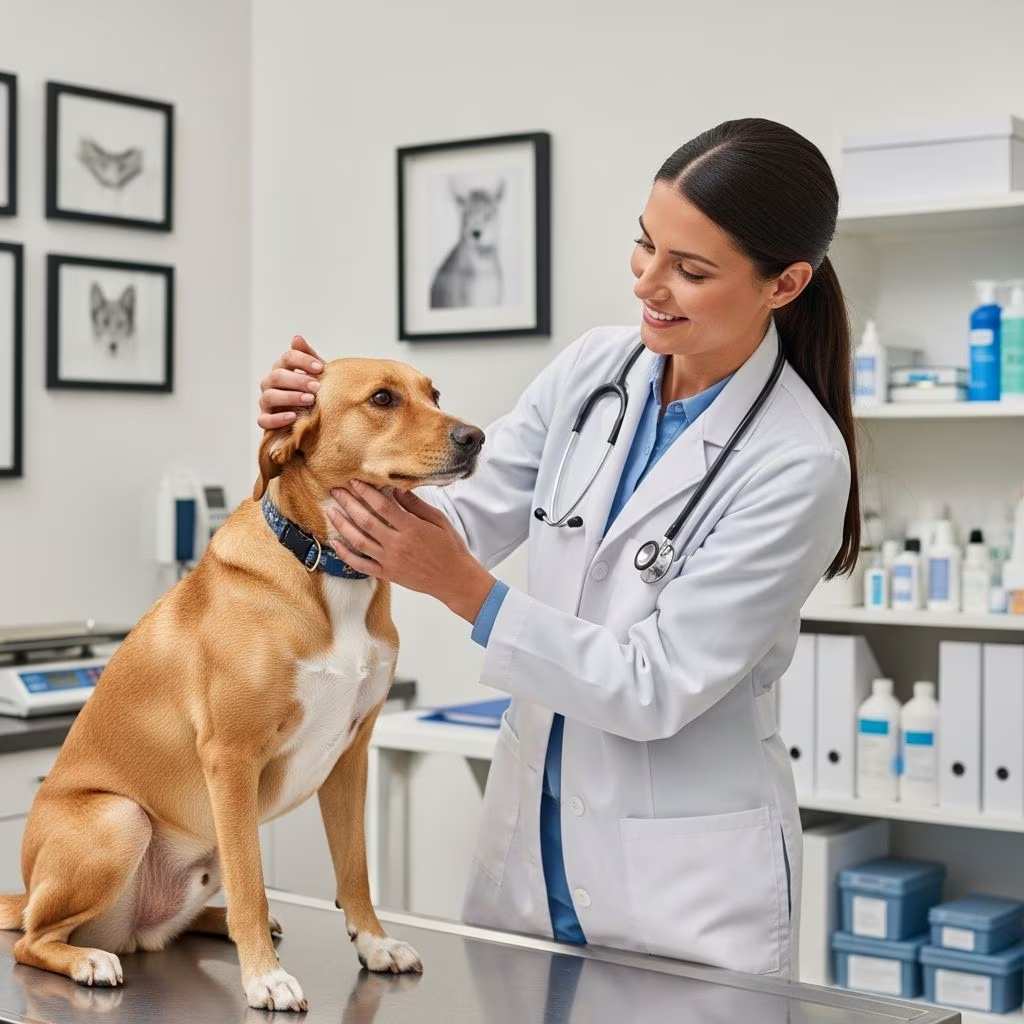
Veterinary visits represent crucial moments in your dog’s healthcare journey, yet many pet owners approach these appointments with apprehension. The combination of unfamiliar environments, strange handling, and new people can trigger anxiety in even the most well-adjusted dogs. More importantly, stressed dogs often don’t cooperate fully during examinations, which can compromise the quality of care your veterinarian can provide. By implementing strategic preparation techniques, you can transform what might otherwise be a stressful ordeal into a manageable and even positive experience for both you and your canine companion.
Understanding the Foundation: Why Preparation Matters
The difference between a chaotic vet visit and a smooth one often comes down to preparation. Dogs are sensitive creatures that respond to both their environment and their owner’s emotional state. When you arrive at a veterinary clinic unprepared—without necessary documentation, without having acclimated your dog to handling, or without managing your own anxiety—your dog picks up on these cues and becomes more anxious as well. Conversely, thoughtful preparation creates a cascade of positive effects that benefit everyone involved in the appointment.
Preparation serves multiple functions beyond simple logistics. It demonstrates respect for your veterinarian’s time, ensures your dog receives the most thorough and accurate care possible, and establishes patterns of behavior that make future visits progressively easier. Dogs are creatures of habit that respond well to consistency, so creating positive patterns early pays dividends throughout your dog’s life.
Phase One: Behavioral Conditioning at Home
The most overlooked aspect of vet visit preparation happens long before you schedule an appointment. Behavioral conditioning—gradually familiarizing your dog with the types of handling and experiences they’ll encounter at the veterinary clinic—creates the psychological foundation for stress-free visits.
Desensitizing Your Dog to Physical Handling
Veterinarians routinely handle dogs’ paws, ears, mouth, and sensitive areas during examinations. Many dogs haven’t been conditioned to accept this level of handling from strangers, which creates conflict during the actual exam. Begin at home by gently practicing these touches during calm, quiet moments. Handle your dog’s paws regularly, inspect their ears, gently open their mouth to look at their teeth, and touch their belly and legs without pressure or force. Make these sessions brief—just 30 seconds to two minutes—and always pair them with positive reinforcement like treats or praise.
The goal isn’t to make your dog enjoy being handled by strangers, but rather to neutralize the experience so it doesn’t trigger defensive or anxious responses. When your dog learns that having their ears examined or paws touched results in calm treatment and rewards rather than pain or violation, they develop a neutral baseline expectation. This foundation makes the veterinarian’s actual examination far less jarring.
Addressing Transportation Anxiety
For many dogs, the vet visit experience begins the moment they see the car or carrier. Dogs that associate vehicles only with vet visits often develop car anxiety that extends to other situations. Break this association by taking short, non-destination drives where the car ride ends with something enjoyable—a walk in the park, playtime, or a trip to a dog-friendly location. Build these positive car experiences gradually over weeks or months until your dog views car rides as potentially pleasant occurrences rather than harbingers of unpleasant veterinary procedures.
For dogs who use carriers, employ similar principles. Leave the carrier accessible in your home with the door open, place treats inside occasionally, and let your dog enter and exit voluntarily. Gradually increase the time they spend in the carrier during calm moments until they view it as a neutral space rather than a confined prison.
Phase Two: Documentation and Administrative Preparation
The night before your appointment, organize all necessary documents and materials. This prevents last-minute scrambling and allows you to arrive calm and collected, which directly impacts your dog’s stress level.
Essential Documentation Checklist
Gather these items before your appointment:
- Medical records from previous veterinarians or the breeder/shelter
- Vaccination history and proof of immunizations
- Documentation of any previous health issues, surgeries, or ongoing conditions
- Current medication list with dosages and frequency
- Insurance information if applicable
- Breeding or adoption records that document any prior treatments
This information enables your veterinarian to provide context for your dog’s current health status and make better clinical decisions. Veterinarians appreciate receiving this background information and can often identify important patterns or connections that might otherwise go unnoticed.
Preparing Your Question List
Write down specific concerns, observations, and questions before your appointment. Include behavioral changes, appetite variations, energy level shifts, bathroom habit modifications, or any physical symptoms you’ve noticed. Note the timeline of these changes—when they started, whether they’re improving or worsening, and what factors seem to influence them.
By documenting questions in advance, you ensure you won’t forget important items during the appointment, and you help your veterinarian understand the complete picture of your dog’s health. Prioritize your list so that the most pressing concerns are addressed first in case time runs short.
Organizing Physical Items to Bring
Prepare a bag the night before containing these essentials:
- Appropriate carrier, crate, or secure transport method
- Leash and collar or harness in good repair
- Comfort item such as a favorite toy or blanket with familiar scents
- High-value treats for positive reinforcement
- Fresh stool sample in a sealed container if parasite screening is scheduled
- Any medications your dog currently takes
- Vaccination records if you’re visiting a new veterinarian
- Notepad for recording veterinarian recommendations
Having these items organized and ready reduces stress and demonstrates to your veterinarian that you’re an engaged, responsible pet owner who takes your dog’s care seriously.
Phase Three: Optimizing the Visit Experience
How you approach the visit itself significantly impacts its success. This phase encompasses your mental preparation, your behavior during the appointment, and your follow-through afterward.
Managing Your Own Emotional State
Dogs are remarkably perceptive animals that pick up on their owner’s emotional state through both verbal and non-verbal cues. If you arrive at the veterinary clinic tense, worried, or frustrated, your dog will sense this anxiety and mirror it. Conversely, if you remain calm and positive, your dog has a much better chance of remaining cooperative and less stressed.
Before your appointment, take a few moments to center yourself. Practice deep breathing, remind yourself that you’re seeking professional help for your dog’s wellbeing, and adopt a positive frame of mind. If you have significant anxiety about the appointment, acknowledge it but don’t transmit it to your dog. Your role is to be the steady, reassuring presence that allows your dog to trust the process.
Arrival and Waiting Room Strategies
Arrive early enough to complete any paperwork without rushing, but not so early that you spend an extended time in the waiting room where other animals might create additional stress. Use the waiting room time to keep your dog calm by maintaining a quiet demeanor, keeping them close to you, and avoiding extended interactions with other pets until you’re certain about vaccination status and temperament compatibility.
Keep your dog on a leash or in their carrier throughout the waiting room to maintain control and prevent unexpected interactions. If your dog shows signs of stress—panting, pacing, drooling, or attempting to hide—use calming techniques like gentle petting, soft talking, or strategic treat placement to help them manage their anxiety.
During the Examination
Once in the examination room, allow your dog to explore briefly if they’re comfortable, then settle them and maintain a calm presence. Your veterinarian will typically conduct a comprehensive physical examination that includes weight measurement, heart and lung auscultation, temperature and vital signs assessment, and careful inspection of eyes, ears, nose, mouth, skin, coat, and genitalia. They’ll palpate lymph nodes, joints, and abdominal organs to assess overall health status.
During this examination, resist the urge to over-comfort your dog if they show mild stress, as this can reinforce anxious behavior. Instead, maintain a neutral, confident demeanor that communicates everything is fine. If your veterinarian requests specific handling or positioning, follow their guidance precisely—they’re trained to manipulate dogs in ways that minimize discomfort while maximizing examination accuracy.
Post-Visit Positive Reinforcement
After your appointment concludes, regardless of whether procedures were comfortable or stressful, provide positive reinforcement. Treats, playtime, or a special outing create positive associations with the vet visit experience. This reinforcement helps your dog develop a more balanced perspective about veterinary visits and makes future appointments progressively easier.
What Veterinarians Assess During Wellness Exams
Understanding what your veterinarian evaluates during an appointment helps you prepare relevant information and appreciate the thoroughness of professional veterinary care:
| Examination Component | What Veterinarians Evaluate | Why It Matters |
|---|---|---|
| Weight and Vital Signs | Current weight compared to historical data, temperature, pulse, respiratory rate | Identifies weight changes, fever, or cardiovascular/respiratory abnormalities |
| Cardiovascular System | Heart rate, rhythm, presence of murmurs via stethoscope | Detects heart disease, arrhythmias, or other cardiac conditions |
| Respiratory System | Lung sounds for abnormal patterns or fluid | Identifies pneumonia, fluid accumulation, or respiratory disease |
| Gastrointestinal System | Abdominal palpation, presence of pain or enlargement | Detects organ disease, tumors, or obstruction |
| Eyes and Ears | Discharge, inflammation, infection, vision assessment | Identifies infections, trauma, or vision problems |
| Mouth and Teeth | Gum color, tooth condition, presence of disease or lesions | Assesses dental health and screens for oral cancer |
| Skin and Coat | Texture, parasites, lesions, inflammation, hair loss patterns | Identifies allergies, parasites, infections, or dermatological disease |
| Lymph Nodes | Size, firmness, symmetry through palpation | Detects infection, cancer, or immune system disorders |
| Musculoskeletal System | Gait, posture, joint flexibility, muscle mass | Identifies arthritis, injuries, or neurological problems |
Common Topics Veterinarians Discuss During Appointments
Beyond the physical examination, veterinarians address numerous health and wellness topics with dog owners:
- Appropriate nutrition and feeding schedules for your dog’s age, size, and health status
- Flea, tick, heartworm, and internal parasite prevention and treatment
- Vaccination schedules and booster requirements
- Dental care strategies and professional cleaning recommendations
- Exercise requirements and play recommendations appropriate to age and breed
- Behavioral and socialization considerations for young dogs
- Microchipping and identification options for lost pet prevention
- Reproductive health including spaying, neutering, and associated benefits and risks
- Grooming needs and skin care practices
- Weight management and obesity prevention strategies
Preparing for Different Types of Veterinary Visits
While wellness exams represent the most common veterinary visit, different appointment types require tailored preparation:
Initial Visit with a New Veterinarian
When establishing care with a new veterinary practice, bring complete medical records, vaccination history, and any previous test results. Be prepared to provide a comprehensive health history including breed-specific concerns, previous surgeries or injuries, and current medications. Arrive early to complete new client paperwork and allow time for the veterinarian to review your dog’s background before the examination.
Specialist or Follow-Up Visits
For visits to specialists or follow-up appointments related to previous health concerns, bring all relevant diagnostic results, imaging studies, and previous examination notes. Prepare a detailed history of your dog’s response to previous treatments and any changes you’ve observed. These visits often benefit from having a written timeline of symptoms and treatments.
Emergency Clinic Visits
During emergencies, bring whatever documentation you can quickly access, along with any relevant information about the emergency situation. Contact your regular veterinarian if possible to ensure they can share your dog’s medical history with the emergency clinic. Have your dog’s microchip number and any identification information readily available.
Frequently Asked Questions About Vet Visit Preparation
How can I tell if my dog is experiencing anxiety about vet visits?
Signs of anxiety include excessive panting, drooling, trembling, pacing, hiding behavior, loss of appetite, or excessive vocalization. Some dogs become uncharacteristically aggressive when anxious. If you notice these patterns, discuss anxiety management strategies with your veterinarian, who may recommend desensitization techniques, calming supplements, or in some cases, anti-anxiety medication for particularly severe cases.
Should I fast my dog before a vet appointment?
Unless your veterinarian specifically requests fasting for a scheduled procedure, regular wellness exams don’t require food restrictions. However, some dogs with motion sickness benefit from having an empty stomach before car travel. Check with your veterinary clinic for specific pre-visit instructions.
What if my dog won’t cooperate during the examination?
Communicate openly with your veterinarian about your dog’s behavior. Experienced veterinarians understand anxious dogs and will work strategically to complete necessary examinations. Never force your dog into positions that escalate anxiety—your veterinarian can often adjust their approach. In future visits, increased behavioral preparation will improve cooperation.
How often should my dog have wellness exams?
Adult dogs typically need annual wellness exams, though senior dogs (age 7+) often benefit from twice-yearly appointments. Puppies require more frequent visits during their first year to monitor development and administer vaccinations. Your veterinarian will recommend the schedule that best suits your dog’s individual needs.
Creating Long-Term Positive Vet Relationships
Successful vet visits aren’t isolated events but rather part of an ongoing relationship with your veterinary care team. By consistently arriving prepared, managing your own anxiety, and reinforcing positive behavior after each visit, you establish patterns that make veterinary care progressively easier and more effective throughout your dog’s life. This foundation of preparation and positive reinforcement transforms veterinary visits from dreaded ordeals into manageable healthcare moments that ultimately serve your dog’s wellbeing.
References
- How to Prepare Your Dog for a Stress-Free Vet Visit — Bark Busters. Accessed March 2026. https://www.barkbusters.com/news/preparing-your-dog-for-a-vet-visit
- The Complete Checklist for Your Dog’s Vet Visit — Normandy Boulevard Animal Hospital. Accessed March 2026. https://www.normandyblvdanimalhospital.com/the-complete-checklist-for-your-dog-s-vet-visit
- Checklist for a Successful First Vet Visit for Your Puppy — Greensboro NC Vet. Accessed March 2026. https://www.greensboroncvet.com/site/friendly-animal-clinic-blog/2024/01/15/puppy-vet-visit-checklist
- Puppy’s First Vet Visit Checklist: What to Expect — Maple Grove Pet Hospital. Accessed March 2026. https://maplegrovepethospital.com/blog/puppys-first-vet-visit-checklist/
- Puppy’s First Vet Visit: Checklist & What to Expect — Steinway Court Vet. Accessed March 2026. https://www.steinwaycourtvet.com/site/blog/2024/04/30/puppys-first-vet-visit-checklist
- Vet Visit Prep Checklist — Zoetis Petcare. Accessed March 2026. https://www.zoetispetcare.com/resources/vet-checklist



