

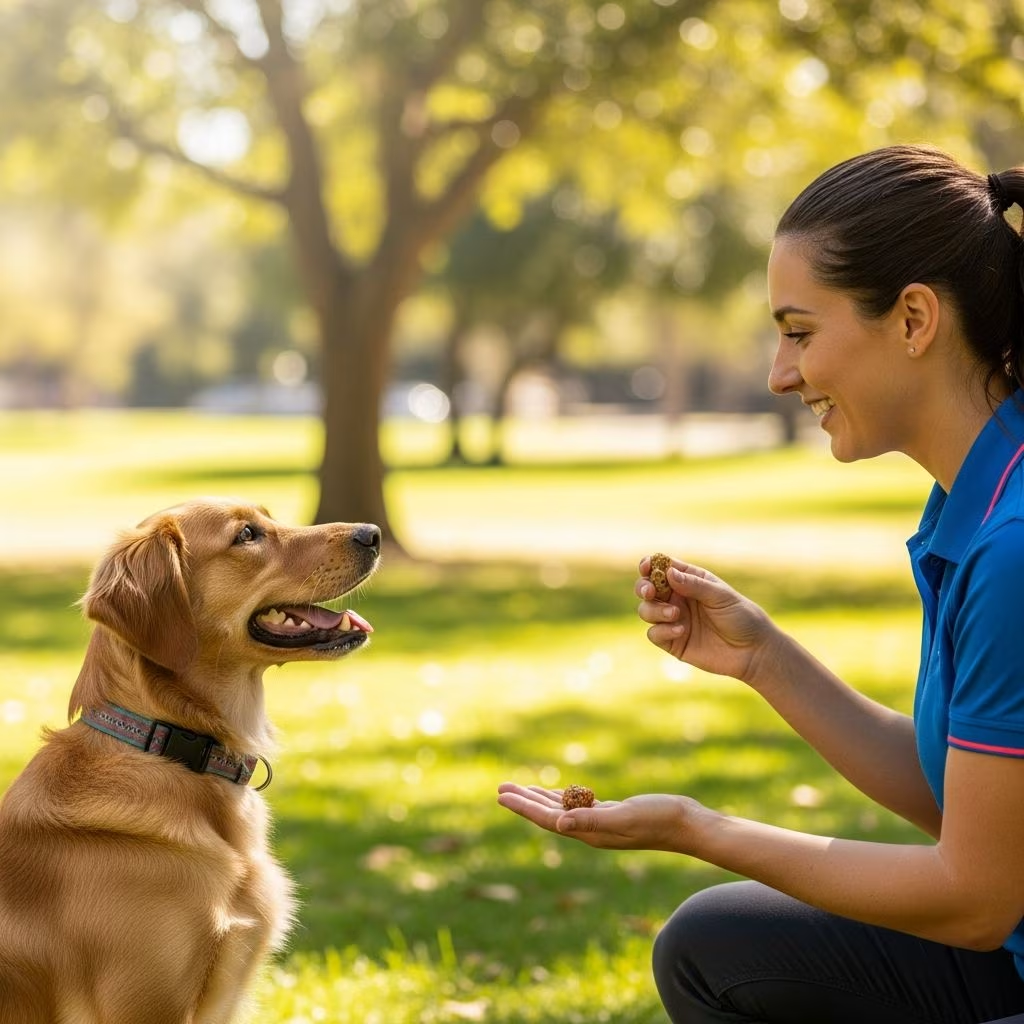
Positive reinforcement stands as the cornerstone of modern dog training, prioritizing rewards over punishment to encourage desired behaviors. By strategically using treats and praise, owners can foster obedience, strengthen bonds, and create a joyful learning experience for their canine companions.
Foundations of Positive Reinforcement Training
At its core, positive reinforcement involves delivering a rewarding stimulus immediately after a dog performs a wanted action, thereby increasing the likelihood of that action repeating. This method contrasts sharply with aversive techniques, promoting trust and enthusiasm rather than fear.
Key elements include immediate timing, where rewards follow the behavior within seconds to solidify associations; consistency across all handlers to avoid confusion; and clear cues like verbal commands delivered in an upbeat tone.
- Immediate Timing: Rewards must occur right after the action to link it directly to the behavior.
- Consistency: Reward uniformly during early learning phases before fading rewards gradually.
- Clear Cues: Use specific words paired with actions and enthusiastic delivery.
Selecting the Ideal Training Treats
High-quality treats serve as powerful motivators, but not all are equal. Opt for small, soft, high-protein pieces that dogs can consume quickly without losing focus. These should be palatable enough to outshine regular kibble, fueling energy while providing nutrition.
| Treat Type | Benefits | Best For |
|---|---|---|
| Soft, Bite-Sized Meat Treats | Quick consumption, high protein | High-energy sessions |
| Cheese or Liver Bits | Irresistible flavor, soft texture | Motivating reluctant learners |
| Commercial Training Treats | Nutritious, low-calorie options | Daily practice without weight gain |
Variety prevents boredom; rotate between food, toys, and play to maintain engagement. For weight-conscious dogs, calculate treats as part of their daily intake to avoid overfeeding.
The Power and Limitations of Verbal Praise
Praise, when delivered with genuine enthusiasm, enhances emotional connections and reinforces behaviors, especially for sensitive dogs who thrive on affection. Phrases like “good dog!” in a high-pitched, excited voice can melt hearts and boost compliance.
However, research shows verbal praise alone often falls short for establishing or maintaining complex commands. Dogs respond far better when praise accompanies tangible rewards like petting or treats, as isolated words lack sufficient motivational pull.
Studies demonstrate that combining petting with praise sustains performance levels, while praise solo leads to rapid declines in obedience.
Integrating Tools Like Clickers for Precision
Clicker training amplifies effectiveness by producing a distinct sound that precisely marks the exact moment of desired behavior, bridging the gap before delivering the reward. This tool excels in teaching intricate skills, allowing for faster learning curves.
- Charge the clicker by pairing clicks with treats repeatedly until the sound predicts rewards.
- Click at the instant of correct behavior, followed immediately by a treat.
- Introduce commands once the behavior is reliable, fading the clicker over time.
Building a Reward Schedule for Long-Term Success
Begin with continuous reinforcement—rewarding every correct response—to embed habits. As proficiency grows, shift to intermittent schedules, varying timing and reward types unpredictably to mimic real-life variability and prevent dependence.
Jackpot rewards, such as multiple treats or extended play, prove invaluable for breakthroughs or challenging environments, surging motivation dramatically.
- Continuous Phase: Every success gets a reward.
- Intermittent Phase: Random rewards maintain engagement.
- Jackpot Moments: Extra rewards for exceptional efforts.
Common Mistakes and How to Avoid Them
Many owners undermine progress through poor timing, praising undesired actions inadvertently or delaying rewards. Sensitive dogs may misinterpret off-mark praise as endorsement of pulling on leashes or distractions.
Inconsistency across family members erodes trust, while low-value rewards fail to compete with environmental distractions. Always end sessions on successes to build confidence.
Practical Exercises: From Basics to Advanced Skills
Teaching Sit and Stay
For “sit,” lure with a treat above the nose, clicking and rewarding as the hindquarters drop. Add the cue before the lure once consistent. Progress to “stay” by rewarding prolonged positions, gradually increasing duration and distance.
Recall in Distractions
Practice in low-distraction areas first, using high-value jackpots for returns. Gradually introduce challenges like parks, pairing praise with treats to override temptations.
Polite Greetings
Reward four-on-the-floor during guest arrivals, ignoring jumps. Sensitive pups respond well to calm praise here, reinforcing relaxation.
Addressing Special Needs and Challenges
Puppies benefit from frequent, short sessions; seniors or fearful dogs require patience and lower-pressure rewards like gentle petting. For food-motivated breeds, treats dominate; praise suits affection-seekers.
Health considerations matter—consult vets for dietary treats in obese or diabetic dogs. Professional trainers can tailor plans for aggression or anxiety.
Enhancing Everyday Life with Reinforcement
Beyond formal training, weave rewards into routines: praise calm crate entry, treat quiet waits at doors. This cultivates politeness naturally, turning daily interactions into learning opportunities.
Frequently Asked Questions
Can I train without treats?
Yes, but combining praise, petting, and toys yields better results than praise alone. Treats accelerate learning significantly.
How often should I reward?
Continuously at first, then intermittently. Never reward unwanted behaviors.
What if my dog ignores rewards?
Upgrade to higher-value options or check for distractions. Ensure proper timing.
Is clicker training suitable for all dogs?
Most, but desensitize fearful ones first. It’s highly effective for precision.
How do I fade rewards?
Gradually reduce frequency while maintaining occasional high-value ones, relying more on praise.
References
References
- The Power of Positive Reinforcement: 5 Effective Dog Training Tips — 3 Dog Ranch MT. 2023-05-15. https://www.3dogranchmt.com/post/positive-reinforcement-tips
- Positive Reinforcement Training: Why Reward Beats Punishment — K9 Connoisseur. 2024-02-10. https://k9connoisseur.com/blogs/news/positive-reinforcement-training
- Using Reinforcement and Rewards to Train Your Pet — VCA Animal Hospitals. 2023-11-20. https://vcahospitals.com/know-your-pet/using-reinforcement-and-rewards-to-train-your-pet
- Positive Reinforcement: Training with Praise and Rewards — Best Friends Animal Society. 2022-01-01. https://bestfriends.org/sites/default/files/inline-files/Dog%20Training%20-%20PositiveReinforcement_2.pdf
- Is Verbal Praise Enough Reward for Dog Obedience Training? — Psychology Today. 2014-09-15. https://www.psychologytoday.com/us/blog/canine-corner/201409/is-verbal-praise-enough-reward-dog-obedience-training



