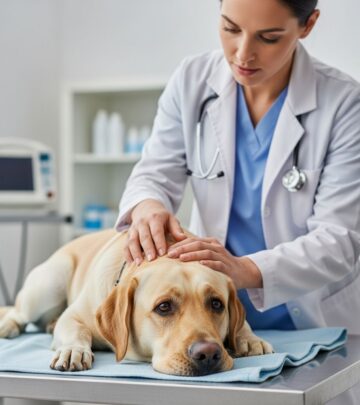
Mastering Dog Temperature Checks
Learn precise methods to monitor your dog's temperature at home, spot fevers early, and ensure pet wellness with step-by-step guidance.
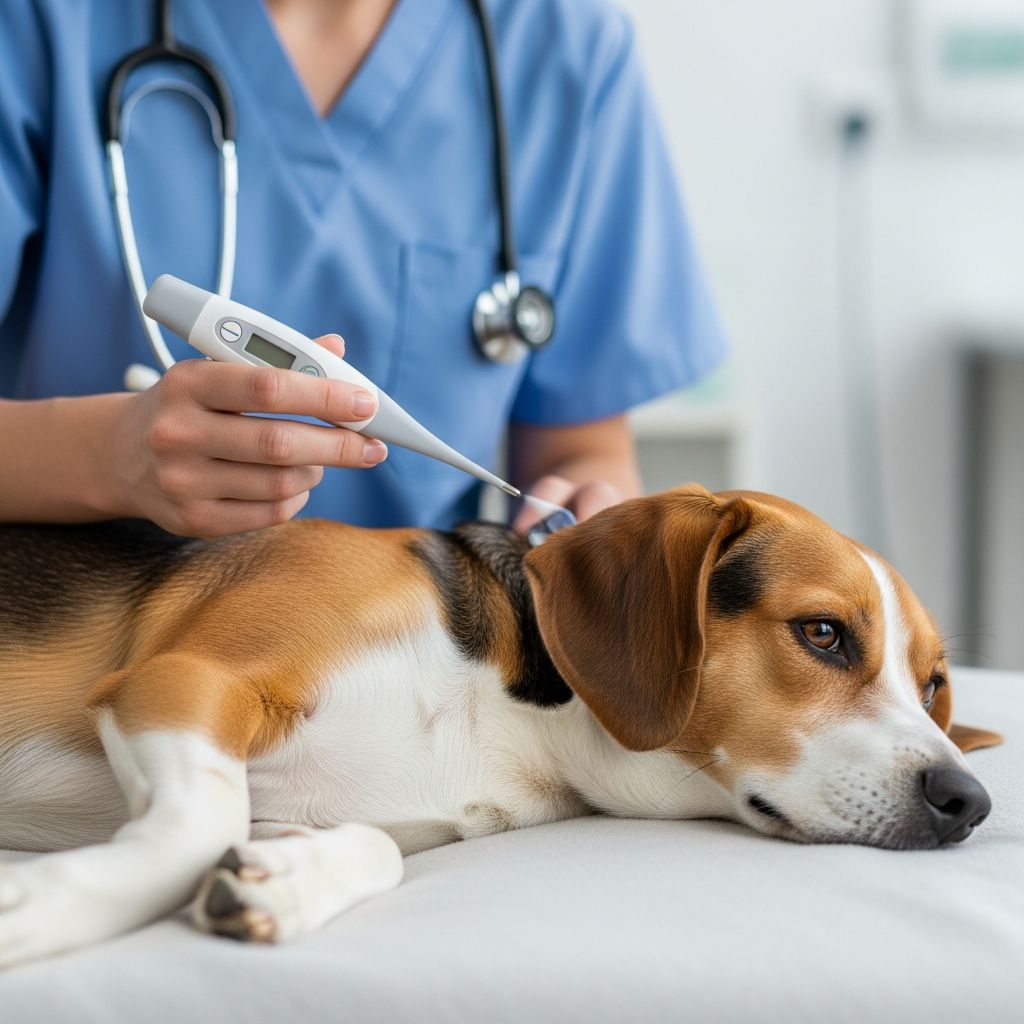
Monitoring your dog’s body temperature is a fundamental skill for any pet owner, allowing you to detect potential health issues before they escalate. Unlike humans, dogs cannot verbally communicate discomfort, so understanding their thermal norms and measurement techniques empowers proactive care. This guide explores reliable home methods, equipment choices, normal ranges, and critical action steps.
Why Temperature Matters in Canine Health
A dog’s core body temperature provides vital insights into their well-being. Deviations can signal infections, inflammation, heatstroke, or hypothermia. Regular checks establish a personal baseline, as each dog varies slightly based on age, breed, and activity level. Early detection through accurate readings can prevent emergencies and guide timely veterinary intervention.
Environmental factors like exercise, stress, or recent meals can cause temporary fluctuations, but persistent abnormalities warrant attention. Mastering these checks builds confidence in home health management while complementing professional care.
Normal Temperature Ranges for Dogs
Dogs maintain a higher baseline than humans, typically between 100°F and 102.5°F (37.8°C to 39.2°C). Puppies and smaller breeds often run warmer, up to 103°F, while larger dogs trend cooler.
- Normal: 100°F–102.5°F (37.8°C–39.2°C)
- Mild elevation (fever onset): 102.5°F–103°F
- Fever: Above 103°F (39.4°C)
- Hypothermia risk: Below 99°F (37.2°C)
- Critical (emergency): Above 104°F or below 96°F
These ranges guide interpretation; always track trends over single readings for accuracy.
Essential Tools for Accurate Readings
Selecting the right thermometer ensures precision and safety. Digital models are preferred over glass mercury types due to speed and reduced breakage risk.
| Method | Recommended Thermometer | Pros | Cons | Cost Range |
|---|---|---|---|---|
| Rectal | Digital rectal probe | Most accurate, fast (under 60s) | Invasive, needs lube | $10–$30 |
| Ear | Veterinary infrared | Quick, less stressful | Ear infections skew results, pricier | $30–$100 |
| Axillary | Smart pet thermometer (e.g., app-connected) | Non-invasive | Least accurate (±2°F variance) | $50–$150 |
Label thermometers with your dog’s name to avoid mix-ups in multi-pet homes. Stock water-based lubricant like KY Jelly or petroleum jelly, disposable probe covers, and treats for positive reinforcement.
Step-by-Step: Rectal Temperature Method
The gold standard for accuracy, rectal thermometry mirrors veterinary protocols. It requires two people for safety: one to restrain gently, the other to measure.
- Prepare equipment: Turn on digital thermometer, apply lubricant generously to the tip. Ensure it’s clean and calibrated per instructions.
- Position dog: Stand or lay the dog comfortably. Have the helper hug the chest, securing head against their body while petting soothingly.
- Lift tail: Gently raise the tail to expose the anus. Insert probe 1 inch for small dogs, 2–3 inches for large breeds. Avoid forcing; angle slightly to contact rectal wall.
- Hold steady: Keep in place until beep (30–60 seconds). Praise and treat immediately upon removal.
- Clean up: Wipe thermometer with alcohol, discard cover. Note reading with time/date.
This method yields results within 0.1°F accuracy when done correctly.
Ear Thermometry: A Gentler Alternative
Infrared ear thermometers detect eardrum heat waves, offering speed without invasion. Success hinges on proper insertion.
- Calibrate device: Follow manual for pet-specific setup; some need ear flap adjustments.
- Straighten canal: Pull ear flap upward and outward toward head’s opposite side to align horizontal canal.
- Insert deeply: Advance probe fully until snug, aiming toward jaw base. Press button; hold still for beep (2–5 seconds).
- Repeat if needed: Test both ears, average results. Clean probe post-use.
Ideal for routine checks, but avoid if ears are dirty, waxy, or infected, as readings can elevate falsely by 1–2°F.
Axillary and Other Non-Invasive Options
For stress-averse dogs, axillary (armpit) checks provide estimates. Newer smart devices like app-paired models enhance reliability.
- Place probe deep in armpit fold, fold leg over to insulate.
- Hold 1–2 minutes until reading; expect 1–2°F lower than rectal.
Forehead scanners are unreliable due to fur interference. Never rely solely on non-rectal for critical cases.
Recognizing Fever Signs and Symptoms
Temperature alone doesn’t tell the full story; observe clusters of indicators.
- Behavioral: Lethargy, shivering, reluctance to move.
- Physical: Hot ears/nose, rapid panting, red gums, dehydration (tacky gums).
- Digestive: Vomiting, diarrhea, appetite loss.
- Other: Coughing, nasal discharge, limping.
Fever over 103°F with symptoms demands vet contact within hours; 105°F+ is an emergency.
Safety Protocols and Common Mistakes
Prioritize calm to avoid bites or injury.
- Never use human oral thermometers without sleeves.
- Avoid post-meal/exercise readings for baselines.
- Don’t force insertion; lubricate abundantly.
- Supervise children during process.
Practice on yourself first for confidence. If dog resists violently, defer to professionals.
When to Escalate to Veterinary Care
Home monitoring complements, not replaces, vets. Seek immediate help for:
- Temps >104°F or <99°F.
- Fever lasting >24 hours.
- Accompanied by seizures, collapse, or breathing distress.
Share readings, trends, and symptoms via app exports if using smart devices.
Building a Home Health Routine
Incorporate checks during wellness logs: weigh-ins, grooming, dental exams. Apps track vitals over time, flagging anomalies. Train puppies early with treats for cooperation. Seasonal vigilance peaks in heatwaves (hyperthermia) or cold snaps (hypothermia).
Breeds like brachycephalics (Pugs) or giants (Great Danes) merit extra monitoring due to thermoregulation challenges.
Frequently Asked Questions (FAQs)
Can I use a human thermometer for my dog?
Yes, digital ones work interchangeably; opt for rectal probes for precision.
How often should I check my dog’s temperature?
Weekly for baselines; daily if illness suspected.
Is a warm nose always a fever sign?
No; noses vary naturally. Confirm with thermometer.
What if my dog has diarrhea during rectal check?
Wipe gently, re-lubricate, reinsert carefully to avoid fecal interference.
Are wireless thermometers accurate?
App-connected axillary models approximate well but validate against rectal periodically.
Advanced Tips for Precision Monitoring
For multi-dog homes, color-code tools. Log ambient temperature/humidity, as extremes skew readings. Integrate with wearables tracking heart rate/activity for holistic views. Consult breed-specific forums (vetted sources) for tailored advice.
Emerging tech like implantable chips promises continuous monitoring, but current home methods suffice for most.
References
- How to Safely Take a Dog or Cat’s Temperature at Home — Zoetis Petcare. 2023. https://www.zoetispetcare.com/blog/article/safely-take-dog-cat-temperature-home
- How to Take Your Dog’s Temperature — American Kennel Club. 2024-01-15. https://www.akc.org/expert-advice/health/how-to-take-your-dog-s-temperature/
- How to Take a Dog’s Temperature — PetMD. 2024. https://www.petmd.com/dog/general-health/how-to-take-dogs-temperature
- How to Tell If a Dog Has a Fever — GoodRx. 2023-11-20. https://www.goodrx.com/pet-health/dog/how-to-tell-if-a-dog-has-a-fever
- How To Take Your Dog’s Temperature — PEDIGREE. 2023. https://www.pedigree.com/dog-care-articles/how-take-your-dogs-temperature
Similar Articles








Read full bio of Sneha Tete