

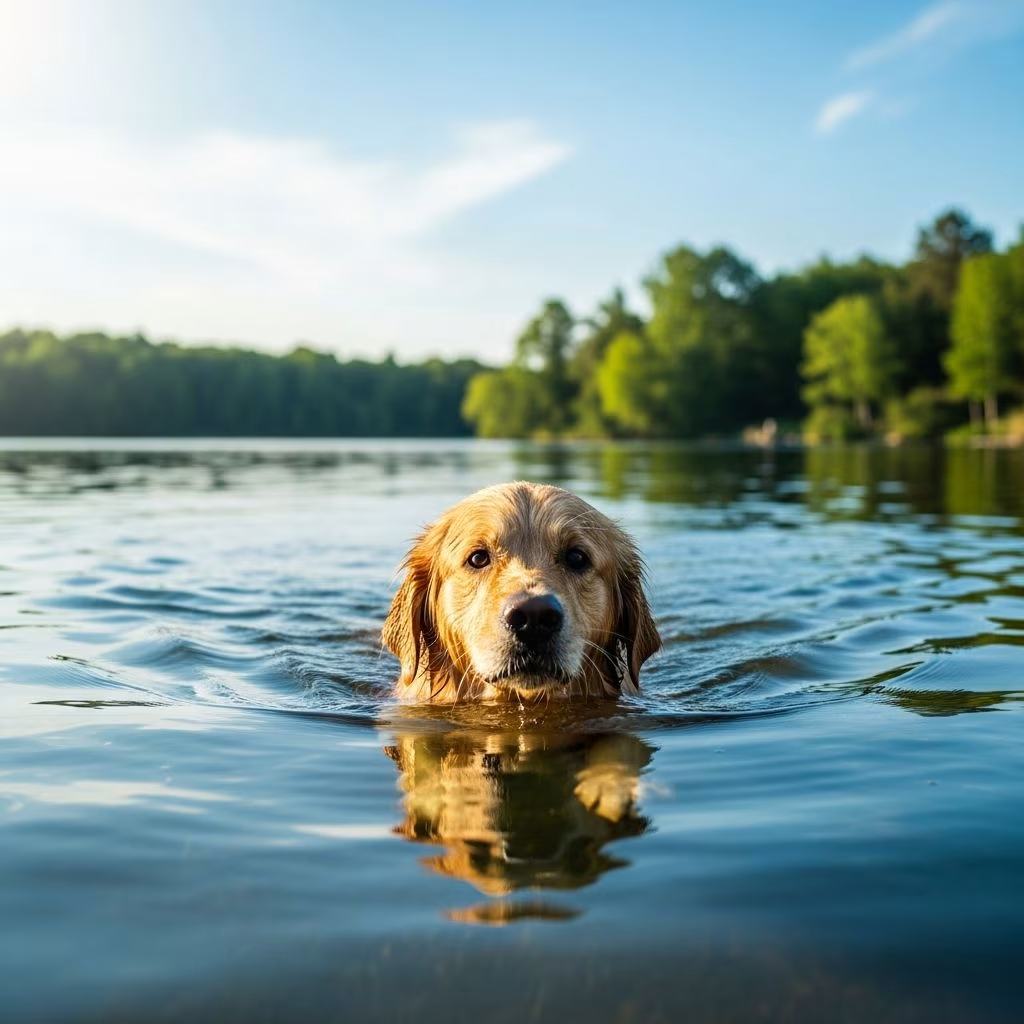
Swimming offers dogs excellent exercise, joint relief, and mental stimulation, but it requires careful preparation to ensure safety. Many dogs do not instinctively know how to swim effectively, making structured training vital to prevent panic or exhaustion. This guide provides a complete roadmap for introducing your pet to water, equipping you with tools for success.
Understanding Canine Swimming Instincts
Not every dog breed is a natural water lover. Breeds like Labrador Retrievers often take to water effortlessly due to their webbed feet and water-repellent coats, while brachycephalic breeds such as Bulldogs may struggle with breathing and buoyancy. Observe your dog’s body language: eager tail wags signal interest, while tucked tails or avoidance indicate hesitation.
- Assess breed traits: Water dogs excel; short-legged or heavy breeds need extra support.
- Health check: Consult a vet for conditions like hip dysplasia, where swimming aids rehabilitation without impact stress.
- Age factors: Puppies build confidence slowly; seniors benefit from low-impact sessions.
Begin with mindset: patience trumps force. Rushing leads to fear, turning water into an adversary.
Essential Gear for Secure Sessions
Invest in quality equipment to build trust and provide backup. A canine life jacket is non-negotiable for novices, offering lift under the belly and a handle for rescue.
| Gear Item | Key Features | Best For |
|---|---|---|
| Life Jacket | Handle, adjustable straps, bright color | Beginners, small breeds |
| Float Toys | Buoyant, easy-grab | Motivation, retrieval practice |
| Ramp/Steps | Non-slip surface, pool edge fit | Exit training, pools |
| Leash/Tether | Waterproof, short length | Controlled entry |
Acclimate gear on land first: let your dog wear the jacket during walks or meals, associating it with positivity. Avoid cheap vests that slip or lack support.
Step-by-Step Training Program
Training unfolds in phases, prioritizing comfort over speed. Sessions last 5-10 minutes initially, expanding as confidence grows.
- Shallow Exploration: Use a kiddie pool or pool steps. Wade in leashed, praising toe dips. Reward with treats for each inch forward.
- Guided Paddling: Support under chest and rear, demonstrating front-leg strokes and rear kicks. Release gradually as paddling strengthens.
- Entry-Exit Mastery: Lure to deeper water with toys, then direct back to ramp. Repeat until independent.
- Recall in Water: Practice ‘come’ commands with high-value rewards, ensuring obedience amid distractions.
- Endurance Building: Alternate swims with rests, monitoring for fatigue like slowed strokes or excessive panting.
Pro tip: Film sessions to track progress and spot form issues, such as doggy paddling that tires quickly.
Selecting Ideal Swimming Environments
Venue choice impacts safety profoundly. Opt for controlled settings over wild waters initially.
- Pools: Ideal starters with steps; maintain chlorine below 5.0 mg/L to avoid irritation.
- Dog Beaches/Lakes: Check for clean water, no advisories on algae or bacteria. Favor calm shallows.
- Avoidances: Steer clear of rip currents, steep drops, or unsupervised open waters.
Install barriers like fences or self-closing gates around home pools to block unsupervised access.
Recognizing and Preventing Hazards
Vigilance averts most risks. Common pitfalls include fatigue, ingestion of chemicals, and exit failures.
Fatigue Indicators
- Heavy panting beyond normal
- Struggling head position
- Slowed or erratic movements
- Clawing at water surface
Enforce breaks every 15-20 minutes, offering fresh water to combat dehydration—surroundings don’t hydrate. Wait 1 hour post-meal to prevent bloat.
Environmental Dangers
Cold water risks hypothermia; limit to 70°F+ temps. Hot days demand shade and midday avoidance. Rinse post-swim to remove chlorine, salt, or pollutants, preventing dermatitis or ingestion.
Weather and Seasonal Adjustments
Tailor activities to conditions. Summer peaks demand hydration stations; winter rules out open water. Indoor heated pools extend seasons for therapy swims.
- Heat Precautions: Swim mornings/evenings; paw booties for hot decks.
- Cold Guidelines: Short sessions, warm towels ready; watch for shivering.
- Storm Safety: Lightning or wind? Evacuate immediately.
Post-Swim Recovery Protocols
Aftercare sustains health. Towel-dry ears to thwart infections; full baths weekly if frequent swimmer.
- Thorough rinse with fresh water.
- Dry thoroughly, especially between toes.
- Inspect for injuries or hotspots.
- Rest period with monitored hydration.
Monitor for delayed issues like lethargy signaling overexertion.
Advanced Techniques for Confident Swimmers
Once basics solidify, elevate skills. Introduce fetch games or paddleboard co-riding for engagement. Teach ‘wait’ at edges to curb impulsive jumps.
For boats: Secure life jackets, practice boarding in calm coves. Group swims? Solid recall prevents wanderlust.
Frequently Asked Questions
Can all dogs learn to swim?
Yes, with support. Even reluctant breeds succeed via gradual exposure and flotation aids.
How long until my dog swims independently?
Typically 3-6 sessions for basics; full proficiency in weeks with consistency.
Is pool water safe for dogs?
At proper chemical levels, yes—but always rinse and provide ramps.
What if my dog panics in water?
Calmly support and exit immediately. Resume shallower next time; never punish.
Benefits of dog swimming beyond fun?
Weight management, arthritis relief, cardio boost without joint strain.
Building Lifelong Water Enthusiasts
Consistent, positive reinforcement transforms wary pups into avid swimmers. Celebrate milestones with extra play, fostering bonds through shared adventures. Regular practice maintains skills, turning water into a joyful staple.
References
- Safe Swimming Practices for Dogs — Gingr. 2023-06-15. https://www.gingrapp.com/blog/safe-swimming-practices-for-dogs
- Canine Swimming Safety Tips — Animal Behavior College. 2024-05-20. https://www.animalbehaviorcollege.com/blog/lifestyle/pet-safety/canine-swimming-safety-tips/
- Essential Water Safety Tips for Dogs — Pupford. 2024-08-10. https://pupford.com/blogs/all/water-safety-tips-dogs
- Splish Splash! Pool Safety Tips for Dogs — Gause Boulevard Veterinary. 2025-07-01. https://gauseblvdvet.com/2025/07/01/splish-splash-pool-safety-tips-for-dogs/
- Pool and Beach Safety Tips for Pets: Part I — Standiford Veterinary. 2023-11-12. https://standifordveterinary.com/services/cats/blog/pool-and-beach-safety-tips-pets-part-i.html
- 19 Dog Swimming Safety Tips: Pools, Dog Beaches, & More — Sploot Vets. 2024-03-05. https://www.splootvets.com/post/dog-swimming-safety-tips-pools-dog-beaches-lakes-more
- Protect Your Pets with These Water Safety Tips — Monticello Veterinary. 2023-09-18. https://monticelloveterinary.com/articles/433170-protect-your-pets-with-these-water-safety-tips



