

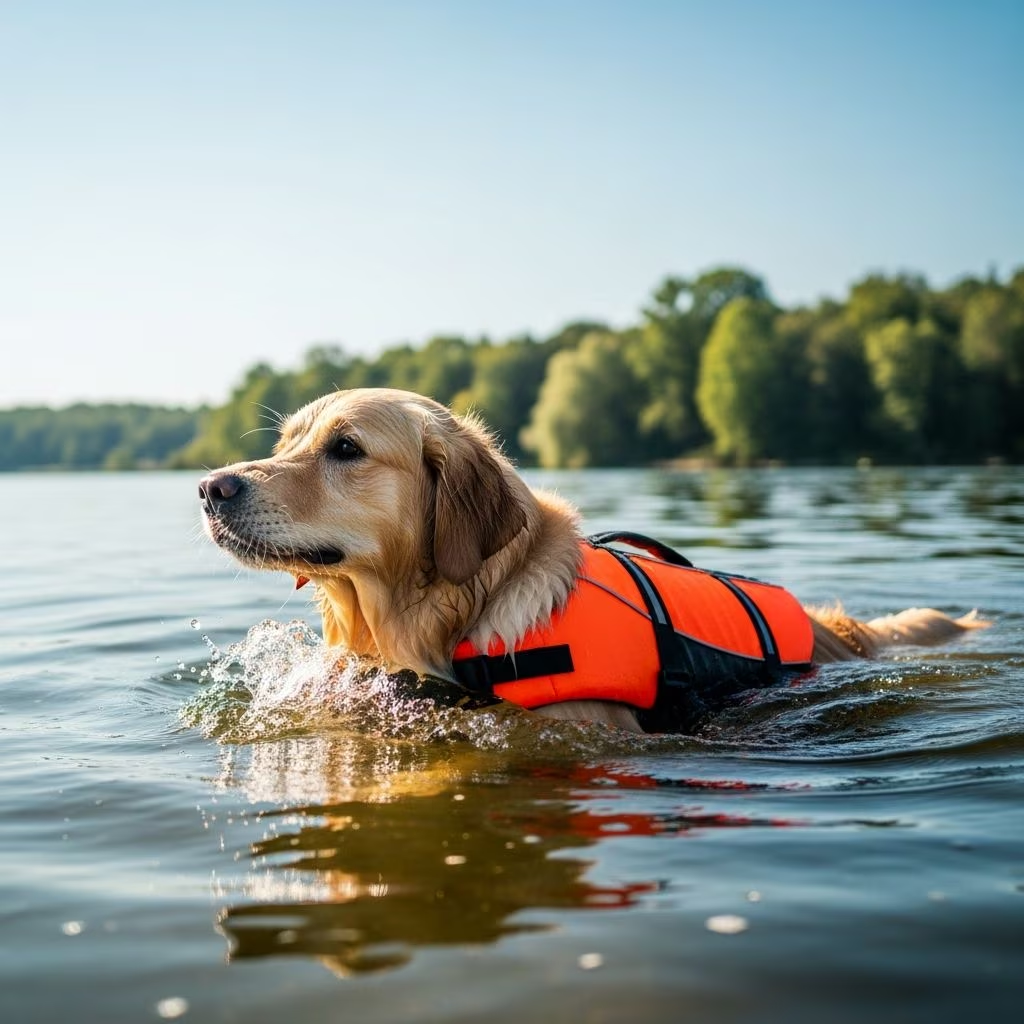
Teaching your dog to swim opens doors to enjoyable summer activities, but it requires careful preparation to avoid dangers. Not every dog instinctively knows how to handle water, and certain breeds face unique challenges. This guide draws from veterinary and animal welfare expertise to provide a complete roadmap for safe aquatic adventures.
Understanding Breed Differences in Water Abilities
Dogs vary widely in their natural swimming prowess. While many breeds paddle effectively, others struggle due to physical traits. Brachycephalic breeds like Bulldogs, Pugs, and short-legged dogs often tire quickly or paddle inefficiently because of their broad chests, short snouts, and heavy builds. These dogs may sink if unsupported, making flotation aids essential from the start.
Conversely, breeds such as Labrador Retrievers and Golden Retrievers typically excel in water, thanks to their webbed feet and athletic builds. However, even strong swimmers can falter in unfamiliar environments or when fatigued. Puppies and senior dogs also need extra caution, as they lack stamina or coordination. Always assess your dog’s comfort level before full immersion.
Essential Gear for Secure Swimming Sessions
Investing in proper equipment prevents mishaps and boosts confidence. A well-fitted dog life jacket is non-negotiable, especially for novice or vulnerable swimmers. Introduce it on dry land first: let your dog wear it during meals, playtime, and walks to build familiarity.
- Life Jackets: Choose models with a handle for lifting, adjustable straps, and buoyant support under the belly and chest. They prevent vertical paddling, where dogs tire their front legs excessively.
- Pool Ramps or Steps: Install wide, non-slip ramps leading from water to deck. These allow easy exits, critical since panicked dogs may circle endlessly without them.
- Floating Toys: Select easy-to-grab, buoyant fetch items to encourage paddling without frustration.
- Leashes and Harnesses: Use waterproof leads attached to life jackets for controlled introductions.
Table of Recommended Gear by Dog Type:
| Dog Type | Key Gear | Why It Helps |
|---|---|---|
| Brachycephalic Breeds | Heavy-duty life jacket with neck support | Prevents sinking and eases breathing |
| Puppies/Seniors | Life jacket + ramp | Combats fatigue and ensures quick exit |
| Strong Swimmers | Life jacket + toys | Enhances safety during extended play |
| All Dogs | Ear drying kit | Avoids infections post-swim |
Step-by-Step Training to Build Water Confidence
Patience is key—rushing leads to fear. Begin in a controlled, shallow setting like a kiddie pool or pool steps. Never force entry; coercion creates lasting aversion.
- Groundwork: Acclimate to gear on land. Reward calm behavior with treats and praise.
- Shallow Exploration: Wade in together on a leash. Let paws touch water first, progressing to knees. Use treats for each step forward.
- Introduce Movement: Toss floating toys short distances. Encourage retrieval while supporting their rear to promote proper paddling—lift under the hips so back legs kick naturally.
- Practice Exits: Guide to ramps repeatedly. Praise heavily upon reaching safety. Repeat until they exit independently.
- Extend Sessions: Gradually increase depth and duration, always supervised. End on a high note before fatigue sets in.
Sessions should last 5-10 minutes initially, building to 20-30. Multiple short practices weekly yield better results than marathon efforts.
Pool-Specific Precautions for Home Safety
Backyard pools pose hidden risks if not secured. Fences with self-closing gates block unsupervised access, mimicking childproofing. Remove solar covers partially to avoid entrapment, but prioritize barriers.
Provide constant fresh water nearby—dogs drink from pools out of thirst, ingesting chemicals that cause vomiting or worse. Post-swim, rinse thoroughly to strip chlorine or salt, preventing skin irritation. Dry ears meticulously with cotton balls to thwart bacterial growth in L-shaped canals.
Supervision is absolute: even pros slip when exhausted. Watch for panting, lagging pace, or disorientation signaling time out.
Open Water Adventures: Lakes, Beaches, and Boats
Natural waters introduce currents, waves, and drop-offs. Check conditions: avoid rips, cold temps below 60°F, or red flags. Stay near shore; leashed life jackets keep pups close.
On boats, mandate life jackets daytime and confine at night to prevent overboard falls in darkness. Practice boat ramps for confident re-entry. Beaches demand paw protection from hot sand and jellyfish awareness.
Health Monitoring and Post-Swim Care
Swimming builds fitness but strains joints in arthritic dogs—consult vets for suitability. Watch for exhaustion signs: heavy breathing, refusal to fetch, or limping.
Common issues include:
- Ear Infections: Symptoms like head shaking, odor, or discharge require vet attention.
- Skin Irritations: From chemicals; treat with vet-approved rinses.
- Ingestion Risks: Pool water leads to GI upset; enforce fresh water drinking.
Annual vet checkups ensure swim readiness, especially for breeds prone to hip dysplasia.
Frequently Asked Questions (FAQs)
Can all dogs learn to swim?
Most can with training, but brachycephalic and heavy breeds need life jackets indefinitely.
How do I know if my dog is tired?
Look for slowed paddling, excessive panting, or attempts to climb out repeatedly.
Is a pool cover enough protection?
No—covers can trap dogs underneath. Use fences instead.
What if my dog panics in water?
Stay calm, support their body, and guide to exit. Pause training and retry later.
Do I need a life jacket for experienced swimmers?
Yes, for safety in unpredictable conditions like boats or oceans.
Advanced Tips for Seasoned Swimmers
Once basics master, incorporate games like water fetch relays or group swims in calm lakes. Track progress with videos to refine technique. Join dog swim classes for socialization, but verify instructor credentials.
For hot climates, schedule dawn or dusk swims to beat heat. Hydrate pre- and post-session; swimming dehydrates surprisingly fast.
References
- The Dos and Don’ts of Dog Water Safety — VCA Animal Hospitals. Accessed 2026. https://vcahospitals.com/resources/lifestyle-dog/hazards-safety/the-dos-and-don-ts-of-dog-water-safety
- Canine Swimming Safety Tips — Animal Behavior College. Accessed 2026. https://www.animalbehaviorcollege.com/blog/lifestyle/pet-safety/canine-swimming-safety-tips/
- Dog Water Safety Tips — K9 Heaven. Accessed 2026. https://k9heaven.co.nz/dog-water-safety-tips/
- Splish Splash! Pool Safety Tips for Dogs — Gause Boulevard Veterinary. 2025-07-01. https://gauseblvdvet.com/2025/07/01/splish-splash-pool-safety-tips-for-dogs/
- 5 Tips for Dog Swimming Safety — Animal Rescue League of Boston. Accessed 2026. https://www.arlboston.org/dog-swimming-safety-5-tips/
- 7 Pool Safety Tips for Dogs — PetMD. Accessed 2026. https://www.petmd.com/dog/general-health/pool-safety-tips-for-dogs
- Dog Water Safety — VB SPCA. Accessed 2026. https://vbspca.com/dog-water-safety/



