

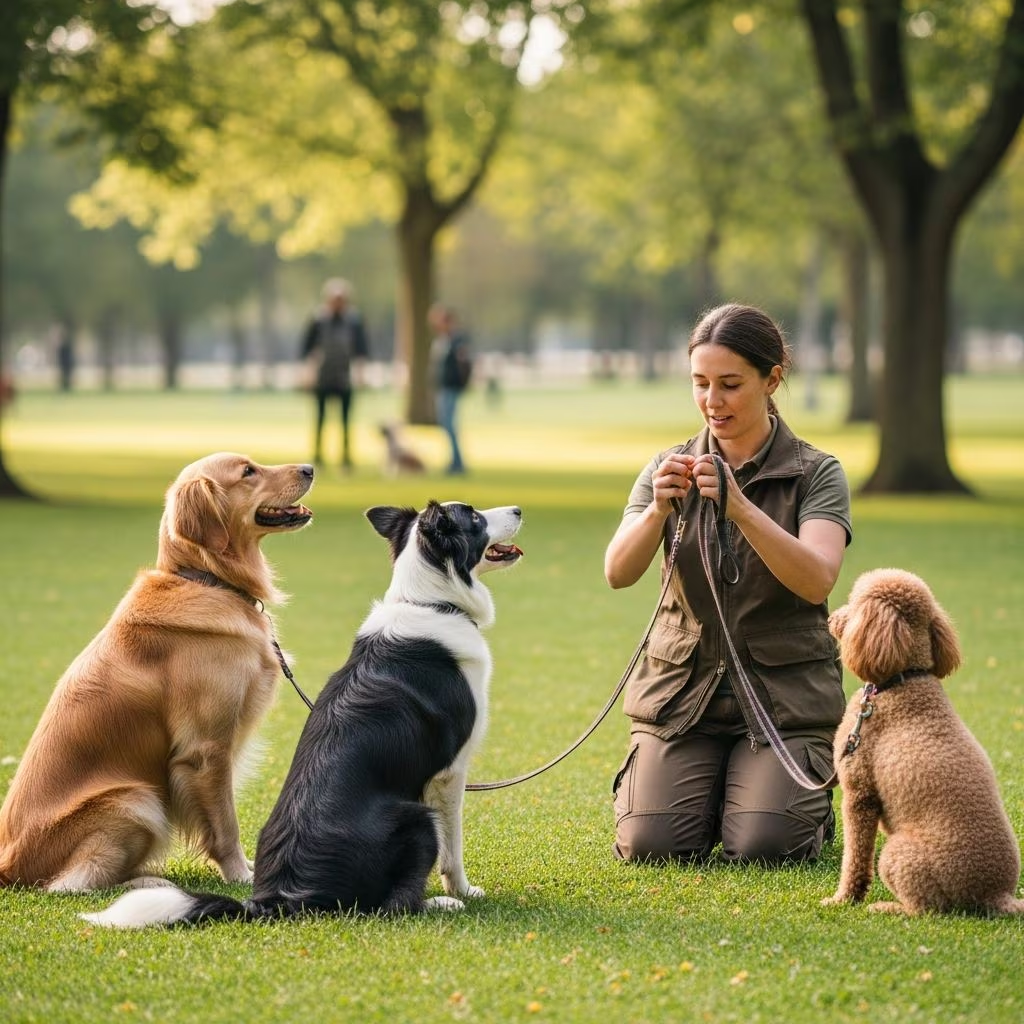
Effective supervision of dogs involves more than just keeping an eye on them; it requires intentional strategies to promote safety, encourage good habits, and prevent problematic behaviors. By implementing structured approaches, dog owners can create a secure home environment where pets thrive without constant vigilance.
Understanding the Essentials of Canine Oversight
Supervising dogs means providing an environment that supports their natural behaviors while minimizing risks. This includes recognizing when full attention is needed and when management tools can suffice. Proper oversight helps dogs learn boundaries, reduces stress, and strengthens the bond between pet and owner.
Key principles include proactive intervention, consistent routines, and positive interactions. Owners who master these elements report fewer incidents of chewing, jumping, or conflicts, leading to a calmer household.
Levels of Supervision for Different Scenarios
Dog supervision varies by context, from high-intensity monitoring during play to lighter management in familiar settings. Identifying the right level ensures safety without overwhelming the owner.
- Constant Active Monitoring: Ideal for puppies, new dogs, or high-energy situations where immediate responses are crucial.
- Periodic Checks: Suitable for well-behaved adult dogs in low-risk areas.
- Remote or Managed Spaces: Using barriers or cameras for brief absences.
Adapting these levels based on the dog’s age, temperament, and experience prevents accidents and builds confidence.
Creating Safe Spaces with Physical Barriers
Physical tools like baby gates, crates, and playpens are invaluable for management. These allow dogs to be nearby without direct access, teaching patience and reducing temptations.
For instance, during mealtimes, positioning an adult between dogs prevents resource guarding. Short practice sessions with rewards help dogs associate barriers with positive outcomes, such as treats or toys.
| Barrier Type | Best Use | Training Tip |
|---|---|---|
| Baby Gates | Separating rooms or dogs during play | Reward calm behavior on either side |
| Crates | Short timeouts or naps | Pair with chew toys for comfort |
| Playpens | Puppy-proofing open areas | Introduce gradually with play |
Active Engagement: Building Trust Through Interaction
Active supervision shines when owners are fully present, reading body language and rewarding desired actions. This might involve holding a smaller dog while directing an excited one to sit, using calm cues and high-value treats.
Engagement fosters trust, as dogs learn humans enforce fair rules. Daily play sessions incorporating commands like “sit” or “stay” reinforce obedience in fun ways, such as fetch or hide-and-seek.
Proactive Prevention of Common Issues
Anticipating triggers—like visitors, noises, or boredom—allows owners to intervene early. Remove hazards, provide appropriate toys, and observe patterns to tailor responses.
- Identify triggers through daily observation.
- Use desensitization for fears, starting small.
- Maintain a routine to predict behaviors.
This approach sets dogs up for success, turning potential problems into learning opportunities.
Incorporating Positive Reinforcement Training
Positive methods outperform punishment, as they motivate dogs without fear. Reward sits, stays, and calm waits with treats, praise, or toys immediately after the behavior.
Break skills into baby steps: reward head lowering before full “down.” Consistency in cues—like always saying “sit”—avoids confusion. Short, fun sessions keep attention high.
Positive reinforcement encourages repetition of good behaviors, making training enjoyable for dogs and owners alike.
Handling Multi-Dog Households
In homes with multiple dogs, take turns for individual attention. Use gates to separate during training, ensuring each gets reinforcing interactions. Stand between them during meals to promote security.
This prevents jealousy, teaches patience, and builds inter-dog harmony. Over time, supervised group play strengthens their relationships.
Supervision Around Children and Vulnerable Family Members
When kids are involved, supervision intensifies. Use leashes during games, barriers for tosses, or safe zones for decompression. Never leave young children unsupervised with dogs, even briefly.
Practice new routines in short bursts, rewarding calm responses. This keeps interactions safe and positive.
Daily Routines for Lasting Success
Integrate supervision into routines: morning walks for engagement, midday crate time with toys, evening training games. Mental stimulation via puzzles prevents boredom-induced mischief.
Track progress in a journal to adjust techniques, celebrating small wins reinforces owner commitment.
Frequently Asked Questions (FAQs)
What is the difference between active and passive supervision?
Active involves direct interaction and intervention; passive uses barriers for management when full attention isn’t possible.
How long should training sessions last?
Keep them to 5-10 minutes, multiple times daily, to match short attention spans.
Can older dogs learn new supervision routines?
Yes, with patience and positive methods, adults adapt well, especially with consistent rewards.
What if my dog ignores barriers?
Practice short sessions with high-value treats to build positive associations.
Is crating punishment?
No, when introduced positively with toys, it’s a safe rest space.
Advanced Tips for Experienced Owners
For seasoned handlers, incorporate remote cameras for periodic checks in daycare-like setups or desensitization protocols for reactivity. Combine with professional classes for nuanced body language reading.
Mix enrichment: scent games, agility basics, or cooperative care to deepen engagement.
References
- Properly Supervising Dogs — Whole Dog Journal. 2023. https://www.whole-dog-journal.com/behavior/properly-supervising-dogs/
- 6 Tips To Increase Control of Your Dog — Canines for Heroes. 2023. https://caninesforheroes.org/6-tips-to-increase-control-of-your-dog/
- Supervision: The Absolute #1 Best Way to Keep Your Dog and Baby Home Calm and Safe — Your Dog and Baby. 2023. https://www.yourdogandbaby.com/blog-posts/supervision-the-absolute-1-best-way-to-keep-your-dog-and-baby-home-calm-and-safe-wdycf
- The Importance of Dog Supervision: My Lesson Learned with Cleo — Loose Leash Canine. 2023. https://looseleashcanine.com/blog/blog-post-title-one-typf5
- 5 Tips for Successful Dog Training — Virginia Tech College of Veterinary Medicine. 2023-01-01. https://vetmed.vt.edu/news/2023/dog-training-tips.html
- Dog Training Tips: Do’s and Don’ts — Best Friends Animal Society. 2023. https://bestfriends.org/pet-care-resources/dog-training-tips-dos-and-donts



