

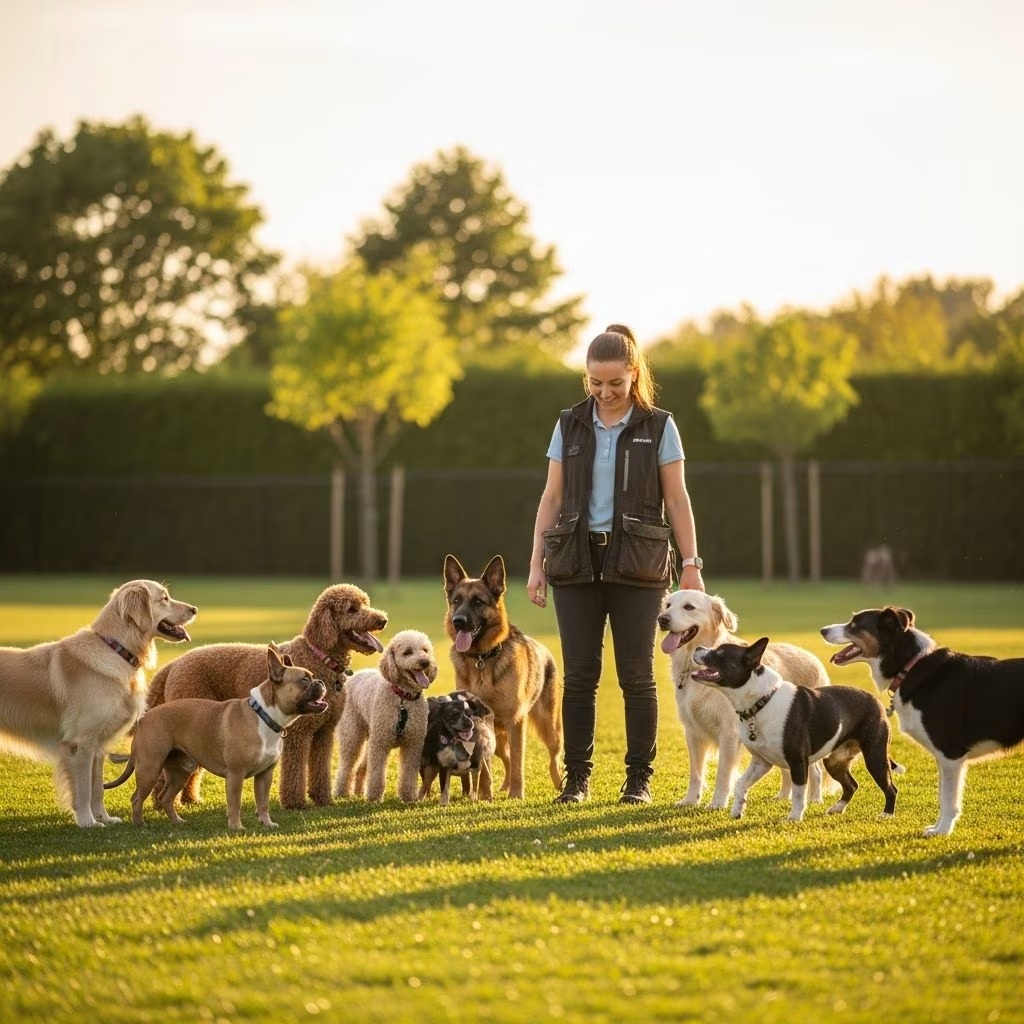
Effective dog supervision is key to fostering a peaceful home environment, especially in households with multiple dogs or young children. It involves more than just watching; it’s about creating structured settings that promote good behavior and prevent mishaps. By understanding different supervision levels and tools, owners can ensure their pets thrive safely.
Why Supervision Matters in Dog Ownership
Supervision prevents accidents, reduces stress, and strengthens bonds between dogs and humans. In multi-dog homes, unsupervised interactions can lead to conflicts, particularly when energy levels differ or resources like food are involved. Proper oversight helps dogs learn boundaries, encouraging calm coexistence.
For families with babies or kids, constant vigilance is crucial. Never leave dogs and children unattended, even briefly, to avoid unpredictable incidents. This rule applies universally, promoting safety for all household members.
Levels of Supervision: From Basic to Advanced
Dog supervision varies by intensity, matching the situation’s needs. Here’s a breakdown:
- Passive Oversight: Minimal intervention, suitable for low-risk scenarios like a single, well-trained dog in a secure yard.
- Proactive Management: Anticipating issues by using barriers or separating dogs during high-risk activities like mealtimes.
- Active Engagement: Full presence, teaching behaviors and rewarding compliance in real-time.
Daycare facilities often use similar tiers: constant visual monitoring for new groups, periodic checks for familiar packs, and camera oversight as a supplement. Staff training on body language is vital across all levels.
Proactive Strategies for Everyday Success
Proactive supervision heads off problems before they arise. Use physical barriers like baby gates to separate dogs during meals or rest periods. Position yourself between animals to create security, especially if one finishes eating first.
Alternate attention during play or training sessions. While working with one dog, secure the other behind a gate with a rewarding activity. This builds patience and positive associations, reducing jealousy or overstimulation.
Prepare environments by removing hazards and providing engaging toys. Short practice sessions (3-5 minutes) with high-value treats teach calm behavior in gated areas, turning potential stress zones into safe spaces.
Active Supervision: Building Trust Through Interaction
Active supervision demands full engagement, reading canine cues like stiff posture or averted gazes to intervene early. Keep high-reward items handy to redirect excitement—ask for a sit before rewarding with treats or praise.
Maintain calm body language to model composure. In group settings, have multiple handlers, each focusing on one dog, reinforcing commands like ‘sit-stay’ during introductions. This fosters trust, as dogs learn humans enforce safety.
For kids and dogs, use leashes or tethers (ensuring children can’t reach) during play. Supervised games over gates, like rolling balls, teach gentle interactions without direct contact.
Essential Tools for Effective Management
Practical tools enhance supervision without constant hands-on effort. Consider these options:
| Tool | Use Case | Benefits |
|---|---|---|
| Baby Gates (Traditional or Retractable) | Separating rooms or creating play zones | Flexible, non-permanent barriers for quick setup |
| Crates/Kennels | Rest periods or alone time | Provides secure ‘yes spaces’ with chew toys |
| Playpens | Limiting access in open areas | Encloses multiple dogs safely |
| Leashes/Tethers | Controlled interactions | Prevents bolting; use cautiously with kids |
| Doors/Rooms | Isolation during distractions | Simple, immediate separation |
Stock crates with interactive toys to keep dogs occupied positively. Enlist family help for playdates or visits when busy.
Training Foundations for Supervised Settings
Positive reinforcement is cornerstone. Break behaviors into tiny steps: reward head-lowering before full ‘down’ commands. Consistency in cues like ‘sit’ prevents confusion.
Teach resource guarding prevention via food bowl approaches—reward calm responses to human proximity. Potty training succeeds under watch: immediate praise for outdoor success.
Mental enrichment combats boredom. Puzzle toys and obedience drills during supervision keep dogs engaged, minimizing mischief.
Special Considerations for Multi-Dog Homes
Monitor play dynamics: intervene if a resting senior dog faces pestering from a youngster. Crating the tired one protects both. Watch for pain signals in older pets, adjusting supervision accordingly.
Introduce new dogs gradually with gated turns for attention. This prevents overwhelm, building inter-dog tolerance over time.
Supervising Dogs Around Children
Children require heightened protocols. Define supervision as engaged presence, not multitasking like cooking. Use barriers: child on one side, dog on the other, with tossed treats fostering positivity.
Create decompression zones. Nervous dogs or kids benefit from ‘no-pressure’ areas. Never tether if kids can approach unsupervised.
Common Pitfalls and How to Avoid Them
- Assuming good behavior without watching: Always anticipate impulses.
- Ignoring body language: Learn signs of stress to act preemptively.
- Inconsistent rules: Enforce boundaries uniformly for clarity.
- Overlooking enrichment: Boredom breeds trouble; provide outlets.
Long-Term Benefits of Diligent Supervision
Consistent practices yield confident, well-adjusted dogs. Owners gain peace of mind, knowing their setup minimizes risks. Socialization flourishes in controlled play, teaching etiquette.
Over time, dogs internalize lessons, needing less oversight. Bonds deepen through shared positive experiences.
Frequently Asked Questions (FAQs)
What is the #1 rule for supervising dogs and babies?
Never leave them alone together, even for seconds. Take one or both when leaving the room.
How long should training sessions be during supervision?
Keep them short: 3-5 minutes, using special rewards to build quick associations.
Can cameras replace human supervision?
No, they’re supplementary. On-site presence allows immediate intervention.
What if my dogs get along well—do I still need supervision?
Yes, dynamics shift with fatigue or resources. Proactive habits prevent surprises.
How do I train patience in multi-dog homes?
Alternate turns with gates, rewarding calm waiting.
References
- Dog Training Tips: Do’s and Don’ts — Best Friends Animal Society. 2023-01-15. https://bestfriends.org/pet-care-resources/dog-training-tips-dos-and-donts
- Socializing your dog — Animal Humane Society. 2024-05-20. https://www.animalhumanesociety.org/resource/socializing-your-dog
- Understanding the Levels of Dog Daycare Supervision — Gingr. 2023-11-10. https://www.gingrapp.com/blog/understanding-the-levels-of-dog-daycare-supervision
- Best Practices for Supervising Kids and Dogs — YouTube (Family Paws Parent Education). 2023-07-12. https://www.youtube.com/watch?v=Lp7F1XfVsFM
- The Importance of Dog Supervision: My Lesson Learned with Cleo — Loose Leash Canine. 2024-02-28. https://looseleashcanine.com/blog/blog-post-title-one-typf5



