

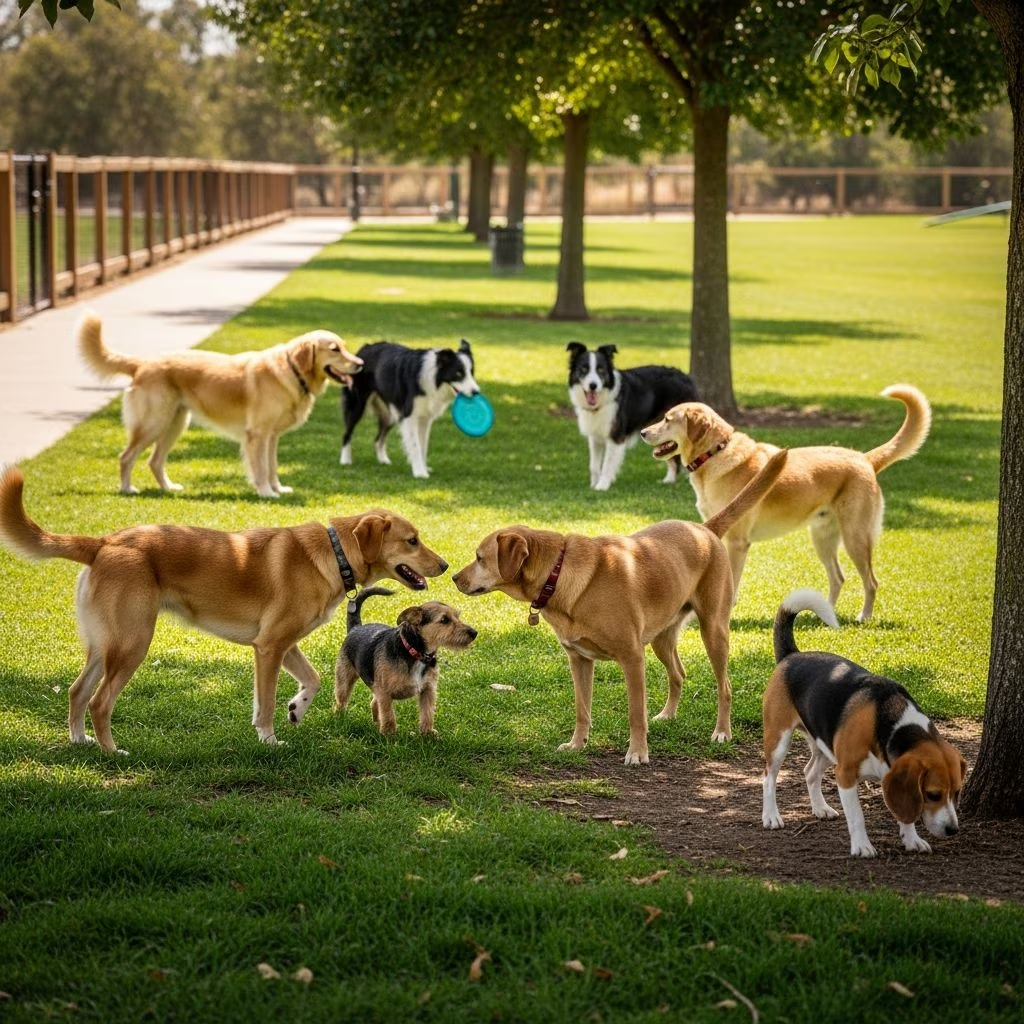
Dog socialization involves exposing your canine companion to diverse stimuli in a controlled, positive way to build confidence and adaptability. This process helps prevent fear, aggression, and anxiety, creating a well-rounded pet ready for everyday life.
Understanding the Socialization Window
The critical period for puppy socialization spans from 3 to 12 weeks of age, when dogs are most receptive to new experiences. During this time, their brains form lasting impressions of the world, shaping future behavior. Early exposures lay the foundation for a secure adult dog.
Beyond puppyhood, socialization remains possible but requires more patience. Adult and senior dogs can learn through gradual, reinforced introductions, proving it’s never too late to improve social skills.
Core Principles of Effective Socialization
Success hinges on positivity, consistency, and pacing. Always pair new experiences with rewards like treats or praise to forge happy associations. Observe body language closely—signs of stress include freezing, yawning, lip licking, or tucked tails—and adjust accordingly.
- Positive Reinforcement: Reward calm responses immediately to encourage repetition.
- Gradual Progression: Start simple and build complexity to avoid overwhelm.
- Safety Measures: Use leashes, supervise interactions, and ensure vaccinations are current.
- Frequency: Short, daily sessions outperform rare, intense ones.
Socializing Puppies: Building a Strong Foundation
Puppies thrive on variety. Aim for 100 positive exposures before 12 weeks, covering people, sounds, surfaces, and animals. Create a socialization checklist to track progress.
Key Puppy Exposure Categories
| Category | Examples | Tips |
|---|---|---|
| People | Children, seniors, hats, umbrellas | Let puppy approach; use treats for greetings. |
| Sounds | Traffic, vacuums, doorbells | Play at low volume, increase gradually. |
| Surfaces | Grass, tile, gravel | Encourage sniffing and walking. |
| Handling | Ears, paws, mouth | Gentle touches with rewards prep for vet visits. |
| Travel | Car rides, elevators | Short trips with toys. |
Enroll in puppy classes for safe play with vaccinated peers. These structured environments teach bite inhibition and social cues.
Techniques for Adult Dog Socialization
Adult dogs may carry past experiences, so proceed slowly. Assess their baseline comfort through observation, then customize a plan.
Begin with familiar settings: invite calm friends over or visit quiet parks. Use high-value treats for new people to approach without direct stares—crouching low reduces intimidation.
- Short leashed walks in low-traffic areas.
- Controlled playdates with known, mellow dogs.
- Daily sound desensitization via recordings.
As confidence grows, expand to busier venues. Consistency reinforces gains, turning wary dogs into sociable ones.
Socializing Senior Dogs: Gentle Approaches
Seniors benefit from socialization to stay mentally sharp and reduce isolation fears. Tailor activities to their energy: short, gentle sessions suffice.
Focus on familiar faces visiting home, brief neighborhood strolls, or calm pet store trips. Introduce younger dogs slowly, prioritizing relaxed play over roughhousing.
Fostering Interactions with Other Animals
Inter-species harmony starts with supervision. Pair your dog with vaccinated, friendly pets for short meetups. Watch for stiff postures or growls, intervening early.
For multi-pet homes, use barriers for initial sniffs, then supervised time. Positive play builds tolerance toward cats or small animals.
Overcoming Common Socialization Hurdles
Addressing Fear Responses
Fear manifests as avoidance, trembling, or shutdowns. Counter with counter-conditioning: pair scary stimuli with rewards from a distance, closing in as tolerance builds.
Handling Reactivity or Aggression
Reactive barking or lunging signals discomfort. Create space, use desensitization, and consult professionals for tailored behavior plans. Never force proximity.
Resource Guarding
Trade valuable items for treats during introductions to teach sharing isn’t loss.
Leveraging Tools and Environments
Aids amplify success. Clickers mark precise good moments; long leashes allow safe exploration.
Optimal venues: puppy kindergartens, trails, pet-friendly cafes. Home setups with novel toys mimic variety.
Tracking Progress and Long-Term Maintenance
Log sessions noting reactions and improvements. Adjust based on trends—plateaus may need novelty.
Ongoing exposure prevents regression. Weekly group walks or classes sustain skills into adulthood.
Frequently Asked Questions
What if my dog is over 6 months old?
Socialization adapts for adults via slower pacing and reinforcement, yielding great results.
How many exposures does a puppy need?
Target hundreds of brief, positive ones before 16 weeks for broad confidence.
Can shy dogs be socialized?
Yes, with patience, rewards, and professional guidance if needed.
Is it safe to socialize unvaccinated puppies?
Use sanitized areas and vet-approved plans to minimize risks.
What body language shows stress?
Whale eye, lip licks, tucked tail—pause and retreat.
Sample Weekly Socialization Plan
| Day | Activity | Duration | Goal |
|---|---|---|---|
| Monday | People variety (friends visit) | 10 min | Calm greetings |
| Tuesday | Sound playlist | 5 min | Relaxed ears |
| Wednesday | Park sniff walk | 15 min | Curious exploration |
| Thursday | Handling practice | 10 min | Body tolerance |
| Friday | Playdate | 20 min | Appropriate play |
| Weekend | Car ride + new surface | 15 min | Travel comfort |
This adaptable template ensures balanced progress. Scale by age and temperament.
References
- Socializing a Dog: The Ultimate Guide to Raising a Well-Adjusted Pet — K9 Principles. 2023-12-07. https://k9principles.ca/2023/12/07/socializing-a-dog-the-ultimate-guide-to-raising-a-well-adjusted-pet/
- Puppy Socialization Guide: People, Dogs & Environments — Darwin’s Pet. N/A. https://www.darwinspet.com/blogs/pet-behavior/puppy-socialization-guide-people-dogs-environments
- How to Socialize an Adult Dog and Why It’s Never Too Late — PV Pets. N/A. https://www.pvpets.com/blog/how-to-socialize-an-adult-dog-and-why-its-never-too-late.html
- Dog Socialization 101: The Complete Guide for Dog Parents — K9 Resorts. N/A. https://www.k9resorts.com/about-us/articles/tips/dog-socialization-101-the-complete-guide-for-dog/
- A Guide to Successful Puppy Socialization — IndeVets. N/A. https://indevets.com/blog/puppy-socialization-how-to-ensure-your-new-canine-companion-is-well-adjusted-and-confident/
- The Puppy Timeline: A Socialization Guide — Texas A&M University College of Veterinary Medicine & Biomedical Sciences. N/A. https://vetmed.tamu.edu/news/pet-talk/puppy-socialization/



