

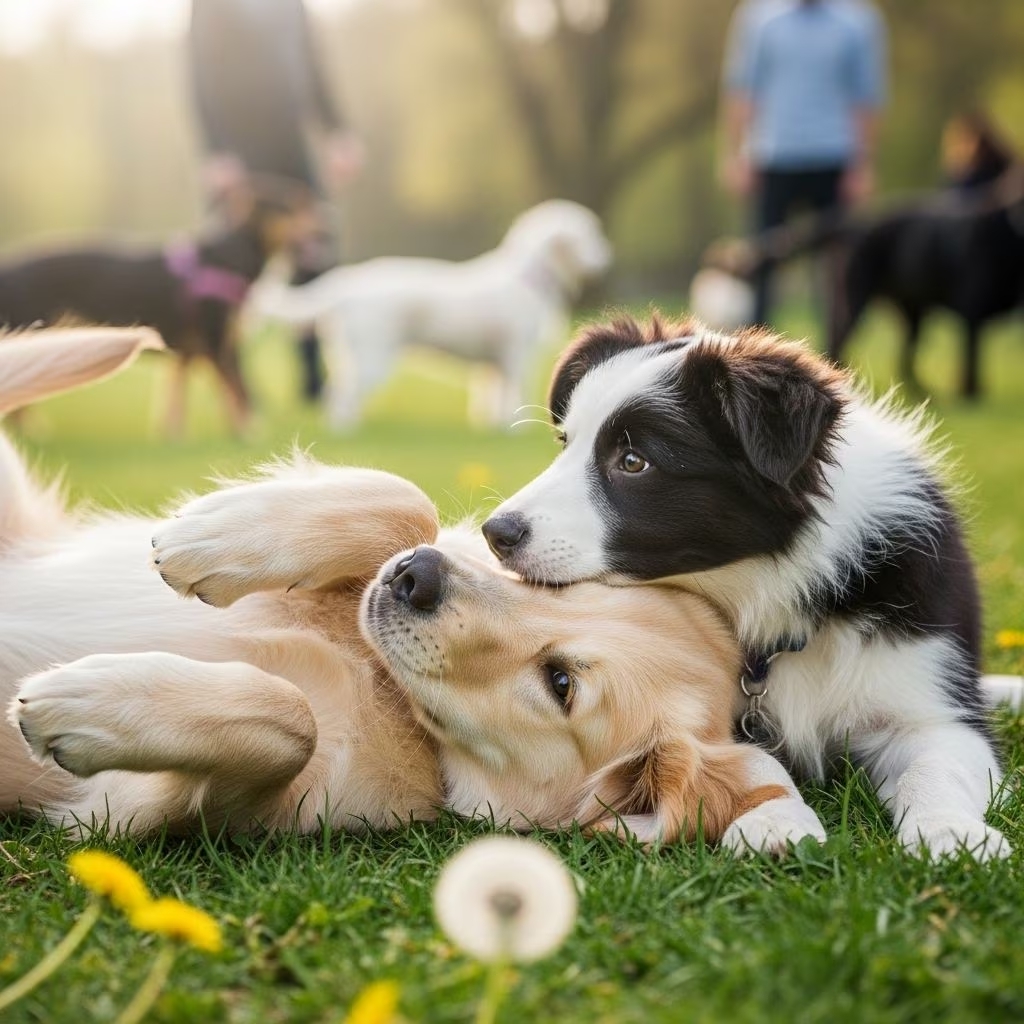
Dog socialization involves exposing your pet to diverse stimuli in a controlled, positive manner to develop confidence and adaptability. This process reduces fear-based reactions and promotes well-adjusted behavior throughout life.
Why Socialization Matters for Your Dog’s Well-Being
Proper socialization equips dogs to handle everyday encounters without stress. It prevents issues like aggression or excessive shyness by building positive associations early on. Dogs that miss this window may struggle with new experiences, leading to behavioral challenges.
Key benefits include improved mental health, stronger owner bonds, and better integration into family life. Socialized dogs navigate public spaces calmly, making outings enjoyable for everyone involved.
The Prime Window: Socializing Puppies Effectively
Puppies have a critical socialization period between 3 and 14 weeks. During this time, their brains are highly receptive to new stimuli, forming lasting impressions.
- Start with gentle household introductions to build baseline comfort.
- Progress to outdoor exposures at safe distances.
- Always pair experiences with rewards to reinforce positivity.
Expose puppies to varied sounds, surfaces, and gentle handling. Short, frequent sessions prevent overwhelm while maximizing learning.
Strategies for Adult Dog Socialization
Adult dogs can learn social skills too, though progress requires patience. Begin in low-stress settings and gradually increase complexity.
Daily Walks as Social Foundations
Leash walks expose dogs to neighborhood stimuli without direct contact. Use non-retractable leashes for control, rewarding calm focus amid distractions.
Controlled Introductions to Peers
Arrange parallel walks with known calm dogs. Maintain distance initially, closing gaps only when both remain relaxed. Treats solidify positive outcomes.
Human introductions start with ignored presence. Friends sit quietly; once calm, offer treats to associate people with rewards.
Advanced Techniques: Counter-Conditioning and Desensitization
For reactive dogs, counter-conditioning pairs triggers with high-value rewards. Identify the threshold distance where stress begins, then mark calm observation with treats.
Desensitization shortens this distance incrementally over sessions. Consistency rewires responses, turning fear into anticipation.
| Technique | Steps | Expected Outcome |
|---|---|---|
| Counter-Conditioning | 1. Spot trigger at safe distance 2. Mark with clicker/”yes” 3. Deliver treat immediately | Positive emotional shift |
| Desensitization | 1. Practice at current distance 2. Reduce by small increments 3. Revert if stress appears | Increased tolerance |
Safe Environments for Building Social Skills
Avoid chaotic dog parks initially. Opt for structured alternatives:
- One-on-one playdates in fenced yards.
- Private training classes with handler oversight.
- Walking groups for leash-based exposure.
Daycare with supervised playgroups suits confident dogs, offering peer practice under monitoring.
DIY Home Exercises to Boost Confidence
Incorporate training into routines for steady gains.
- Focus Drills: Reward eye contact amid distractions, starting indoors.
- Greeting Protocol: Require sits before approaches on walks.
- Recall Games: Practice in enclosed spaces, never for negatives.
- Novelty Hunts: Hide treats to encourage exploration.
Introduce household items like vacuums or umbrellas gradually, rewarding investigation.
Adapting Socialization for Senior Dogs
Seniors benefit from gentle methods. Short walks, familiar visitors, and calm play suffice. Match energy levels with mellow companions to avoid fatigue.
Common Pitfalls and How to Avoid Them
- Forcing Interactions: Let dogs set pace; retreat if uneasy.
- Inconsistent Rewards: Praise neutral responses too.
- Overloading Senses: Limit sessions to 5-10 minutes.
Tools and Resources for Success
High-value treats, clickers, and long leashes aid progress. Enroll in positive reinforcement classes for guided practice.
Frequently Asked Questions (FAQs)
Is it too late to socialize an adult dog?
No, adults can improve with patient, structured exposure using counter-conditioning.
What if my dog shows fear during socialization?
Increase distance and reward calm moments; consult a professional for severe cases.
How often should I socialize my puppy?
Daily short exposures during the critical window, tapering as confidence grows.
Are dog parks safe for socialization?
Not for beginners; use after building basics in controlled settings.
Can socialization reduce aggression?
Yes, by addressing fear roots, though professional help is needed for entrenched issues.
References
- Socialization of dogs and cats — American Veterinary Medical Association. 2023-05-15. https://www.avma.org/resources-tools/animal-health-and-welfare/socialization-dogs-and-cats
- How to Socialize a Dog — Best Friends Animal Society. 2024-02-10. https://bestfriends.org/pet-care-resources/how-socialize-dog
- Dog Socialization & Training Hub: Complete Guide from Puppyhood to Senior Years — Wagbar. 2025-01-12. https://www.wagbar.com/dog-socialization-training-hub-complete-guide-from-puppyhood-to-senior-years
- Dog Socialization 101: The Complete Guide for Dog Parents — K9 Resorts. 2024-08-20. https://www.k9resorts.com/about-us/articles/tips/dog-socialization-101-the-complete-guide-for-dog/
- How to Socialize an Adult Dog and Why It’s Never Too Late — Hounds Lounge. 2024-11-05. https://www.houndslounge.com/blog/how-to-socialize-an-adult-dog-and-why-its-never-too-late/



