

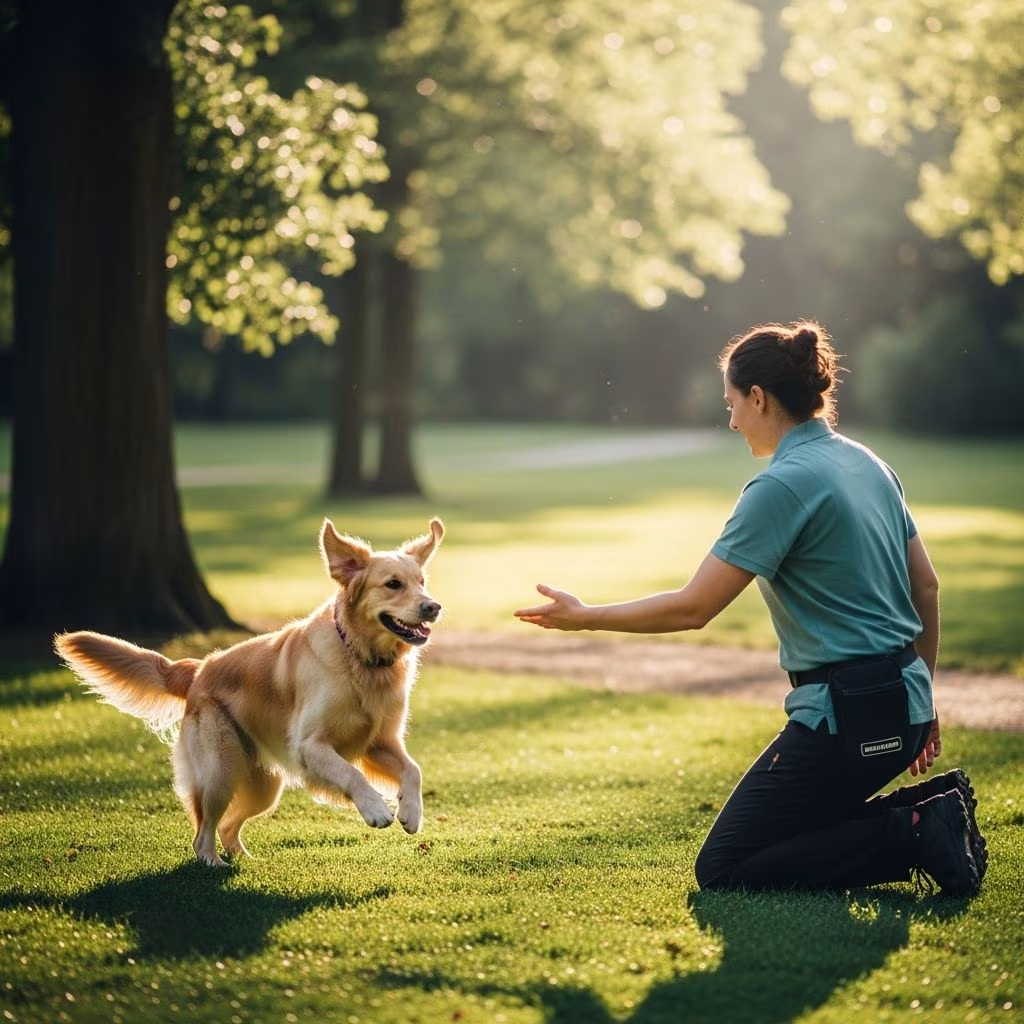
The ability to call your dog back to you reliably is one of the most vital skills in canine obedience. Known as recall training, this command ensures your pet’s safety during walks, hikes, or unexpected situations. Without a solid recall, dogs risk running into traffic, chasing wildlife, or getting lost. This guide provides a complete roadmap to building this essential behavior using positive reinforcement techniques, drawing from established training principles.
Understanding the Foundations of Recall
Recall goes beyond a simple command; it’s about creating a positive association with responding to your voice. Dogs naturally prioritize interesting scents, sounds, or movements over their owners, so training must make returning more rewarding than any distraction. Start by recognizing that consistency, patience, and high-value rewards are key. High-value rewards include small pieces of chicken, cheese, or favorite toys that your dog finds irresistible.
- Positive Reinforcement Basics: Reward desired actions immediately to encourage repetition.
- Timing is Critical: Mark the exact moment of compliance with a clicker or verbal cue like “yes!” followed by a treat.
- Avoid Common Pitfalls: Never use the recall cue for negative outcomes, such as ending playtime or administering punishment, as this erodes trust.
Training sessions should last 10-20 minutes daily, in low-distraction environments initially, to build confidence before progressing.
Essential Tools for Effective Training
Gather the right equipment to set yourself up for success. A 20-50 foot long line allows freedom while maintaining control, preventing reinforcement of ignoring the command. Clickers provide precise feedback, and a variety of treats keeps motivation high.
| Tool | Purpose | Recommendation |
|---|---|---|
| Long Leash | Safety and control in open areas | 30-foot nylon or biothane line |
| Clicker | Marks correct behavior instantly | Standard box clicker |
| High-Value Treats | Motivates response | Soft, smelly options like liver bits |
| Whistle (Optional) | Emergency signal over distance | Acme pea-less whistle |
Step-by-Step Recall Training Program
Begin indoors or in a fenced yard to minimize variables. The goal is to achieve 100% response before advancing.
Phase 1: Building the Initial Response
Sit on the floor with your dog nearby. Say their name in an excited tone, followed by “come!” Pat your legs enthusiastically. When they approach, click or say “yes!” and deliver a treat. Repeat 5-10 times per session, releasing them to play afterward.
- Keep sessions fun with happy voice and body language.
- If no response, lure gently with a treat near your chest without repeating the command.
Phase 2: Adding Distance and Reliability
Stand 5-10 feet away. Call once, back up a few steps to encourage movement, and reward heavily upon arrival. Gradually increase distance over days. Use the long line outdoors for security.
Jackpot Rewards: For perfect responses, give 3-5 treats in succession to amplify excitement.
Phase 3: Introducing Mild Distractions
Move to a quiet park. Have your dog on the long line, allow sniffing, then call. Reward and release to continue exploring, teaching that recall leads to freedom, not restriction.
Advanced Proofing Techniques
Proofing generalizes the behavior across environments. Alternate short and long distances, low and high distractions independently.
- Distance Proofing: Start close, extend to 50+ feet.
- Distraction Proofing: Practice near toys, food smells, or calm dogs.
- Two-Person Drills: Partner holds collar; call from afar, reward before leashing.
Incorporate random practice during daily life—on walks or at home—to make recall habitual.
Training Variations for Different Dogs
Puppies vs. Adults
Puppies learn fastest due to short attention spans; keep sessions brief and playful. Adults may have ingrained habits, so use higher-value rewards and more repetitions.
Senior or Special Needs Dogs
For hearing-impaired seniors, pair verbal cues with hand signals like waving an open palm toward your chest. Use visual treats or toys. Shorter sessions respect physical limits, with extra praise.
High-Drive Breeds
Breeds like Border Collies or Terriers need intense rewards. Use tug toys or fetch games post-recall to satisfy energy.
Incorporating Whistle Recall
A whistle penetrates noise better than voice. Pair two short blasts with treats: Blow, feed 5-10 treats rapidly. Increase distance weekly. Ideal for off-leash reliability in fields or beaches.
Overcoming Common Training Challenges
Problem: Dog Ignores Command
Reduce distractions, increase reward value, or shorten distance. Never chase or punish.
Problem: Selective Hearing in Distractions
Practice “emergency recalls” with ultra-high rewards like steak, reserved only for this.
Problem: Fearful Dogs
Build trust slowly; never force proximity. Use soft tones and let them approach voluntarily.
Real-World Application and Maintenance
Once reliable at 90%+, phase out constant treats but maintain variable rewards unpredictably—like slot machines—for longevity. Practice weekly in new locations. Off-leash areas demand 100% trust before trials.
Safety First: Never off-leash in unfenced areas until proven. Recall saves lives from roads, wildlife, or conflicts.
Frequently Asked Questions
How long does recall training take?
Basic reliability in 4-8 weeks with daily practice; full proofing takes months.
What if my dog only comes for treats?
Fade treats gradually, interspersing praise and play. Life rewards (continuing fun) replace food.
Can I train multiple dogs together?
Yes, but individually first. Call by name to avoid confusion.
Is a harness or collar better for long-line training?
Harness for puppies to avoid neck strain; flat collar for adults with proper fit.
What breeds struggle most with recall?
Hounds, herders, and terriers due to prey drive; counter with superior motivation.
Long-Term Success Strategies
Integrate recall into games: Hide-and-seek where finding you yields rewards. Enroll in group classes for professional guidance. Track progress in a journal to stay motivated. A rock-solid recall enhances your bond, prevents mishaps, and allows freer adventures together.
References
- Come! Tips for Training a Reliable Recall — American Kennel Club (AKC). 2023-05-15. https://www.akc.org/expert-advice/training/reliable-recall-train-dogs-to-come-when-called/
- How to Teach a Dog to Come When Called: 5 Easy Steps — Chewy Education. 2024-08-20. https://www.chewy.com/education/dog/training-and-behavior/basic-dog-training-commands-come
- How to Teach a Dog to Come — Best Friends Animal Society. 2023-11-10. https://bestfriends.org/pet-care-resources/how-teach-dog-come
- Dog Training: How to Teach a Dog to Come When Called — Purina US. 2024-02-14. https://www.purina.com/articles/dog/behavior/training/how-to-teach-dog-to-come
- COME: The Most Important Command — The Well Heeled Way. 2023-07-22. https://www.thewellheeledway.com/come-the-most-important-command/



