

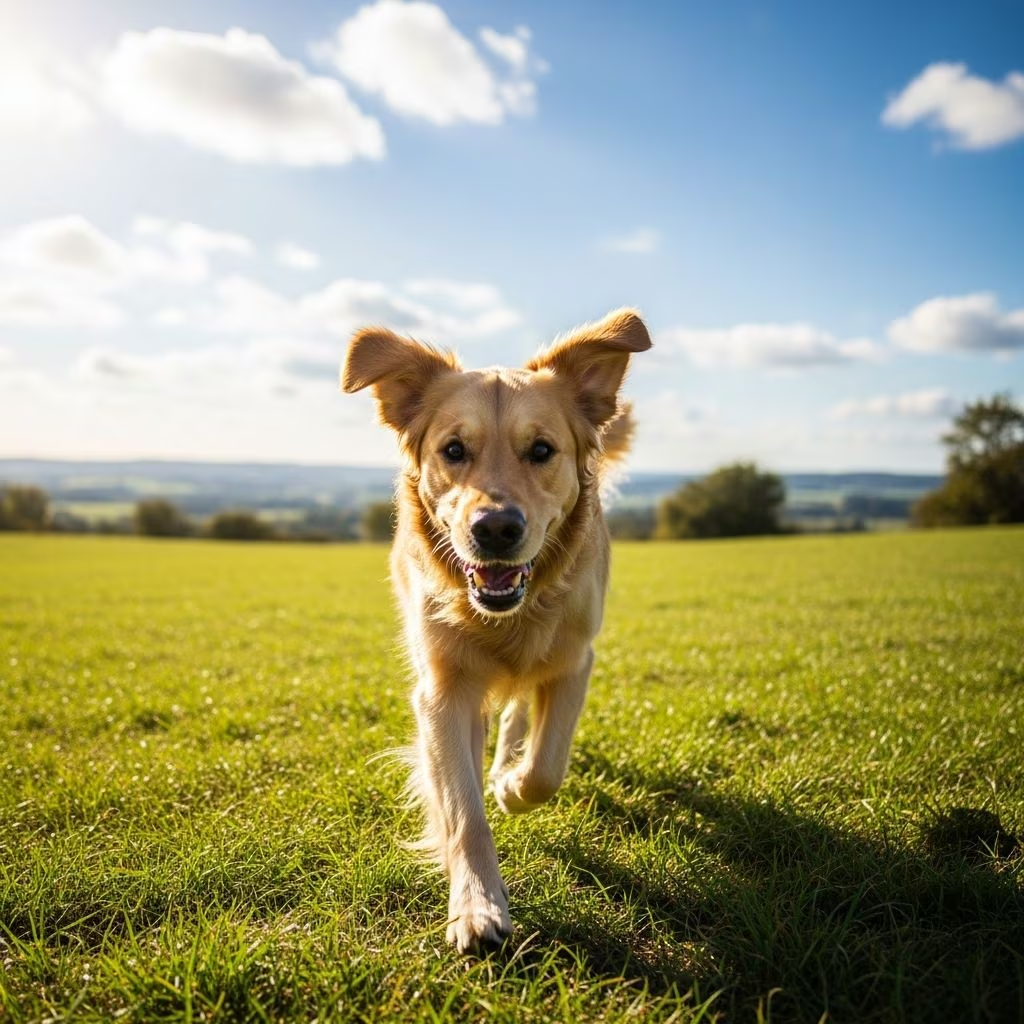
Teaching your dog to come when called is one of the most critical skills for safety and enjoyment. A strong recall prevents dangerous escapes, allows off-leash freedom in safe areas, and strengthens your bond. This guide outlines a step-by-step approach using positive reinforcement to build an exceptionally quick and trustworthy response.
Why Reliable Recall Matters for Every Dog Owner
A dependable recall can save lives during traffic encounters or wildlife distractions. Unlike basic commands, it must override instincts in high-stimulation environments. Statistics from veterinary sources highlight that poor recall contributes to many runaway incidents, emphasizing the need for consistent training. Positive methods ensure enthusiasm rather than fear-based compliance.
Essential Tools and Setup for Success
Start with high-value rewards like freeze-dried liver, cheese, or favorite toys to motivate reliably. Use a long line (20-50 feet) for outdoor practice to maintain control without retractables, which can encourage pulling. Choose a unique cue word such as “here” or “come” not used for other behaviors. Practice in low-distraction spots first, like indoors, progressing to yards and parks.
Building the Foundation: Indoor Basics
Begin in a quiet room. Show a treat or toy, praise as your dog approaches, then introduce the cue only when movement starts toward you. Reward generously upon arrival. Gradually increase distance and hide the reward until the cue alone prompts action. Aim for automatic sits at your feet, adding collar touches with extra treats to build tolerance for handling.
- Hold treat visibly, call cue happily, praise approach.
- Repeat 10-15 times daily, fading lure over sessions.
- Incorporate sit command post-recall for polished response.
Fun Games to Boost Speed and Joy
Transform training into play to accelerate learning. These activities make responding irresistible by associating recalls with excitement.
Chase Me Game
On leash, say the cue cheerfully and run backward 10-15 feet. Stop, reward with treats or tug play. This taps into chase instincts, building velocity.
Hide and Seek Recall
Call from another room; whistle or clap if needed. Greet with praise and rewards. Progress to yard hiding for real-world application.
Hot Potato Relay
With family or friends spaced apart, take turns calling while holding treats. Reward each switch to teach group responsiveness.
| Game | Setup | Goal | Reward Type |
|---|---|---|---|
| Chase Me | On-leash run away | Build speed | Treat/toy |
| Hide and Seek | Call from hidden spot | Searching drive | Praise + food |
| Hot Potato | Multiple callers | Group reliability | High-value treats |
Proofing Against Everyday Distractions
Once basics solidify, introduce mild interferences. Have a helper stand between you or walk across the path during recalls. Reward heavily despite distractions. Escalate to sitting with treats (no release), then tossing toys mid-run. Outdoors, use long line for controlled exposure to squirrels or people.
- Small distractions: Helper talking or blocking lightly.
- Medium: Toy waving, mild movement.
- Advanced: Running across path, other dogs nearby.
Advanced Techniques for Rock-Solid Results
Incorporate whistles for distance; pair peeps with eye contact and treats until response is instant. Restrained recalls: Helper holds collar, you run cheering with toy waving, timing for speed gains. Never repeat cues or punish slow responses—always reward arrival to preserve trust. Practice daily, varying rewards for unpredictability.
Common Mistakes and How to Avoid Them
Calling in unsafe areas without long line risks failure. Repeating the cue teaches ignoring. Low-value rewards fail against distractions. Chasing a fleeing dog turns it into play—run away instead. Off-leash only in fenced zones until 95% reliability.
Progression Timeline and Milestones
- Weeks 1-2: Indoor mastery, 100% response.
- Weeks 3-4: Yard with long line, add mild distractions.
- Weeks 5-6: Park practice, high distractions.
- Ongoing: Random real-life tests, fade rewards gradually.
Track with a journal for consistency.
Special Considerations for Puppies vs. Adults
Puppies learn fastest with short, frequent sessions. Adults may need higher motivation if past negative experiences exist. Treat-motivated dogs thrive on food; others on play. Consult vets for health barriers.
FAQs: Dog Recall Training Essentials
What if my dog ignores the recall?
Environment too distracting—downshift to easier setting, up rewards. Never punish.
How often should I practice?
Daily, 5-10 minutes multiple times for retention without fatigue.
Can I use a whistle instead of voice?
Yes, ideal for distance; condition with consistent peeps and rewards.
What treats work best?
High-value like chicken, liver; vary to prevent boredom.
When is my dog ready for off-leash?
Only in secure areas after 100+ successful long-line trials.
Troubleshooting Recall Setbacks
If regression occurs, return to basics. Analyze failures: Was reward insufficient? Distraction overwhelming? Ensure positive association always. For fearful dogs, build slowly with soft tones.
Consistent application yields a recall that’s fast, joyful, and life-saving. Patience and positivity are key—your dog will thank you with unwavering loyalty.
References
- Teaching a Reliable Recall — Whole Dog Journal. 2023. https://www.whole-dog-journal.com/training/teaching-a-reliable-recall/
- How to Train a Reliable Recall for Your Dog — American Kennel Club. 2024-01-15. https://www.akc.org/expert-advice/training/reliable-recall-train-dogs-to-come-when-called/
- Recall Training in Dogs — UC Davis Veterinary Medicine. 2022. https://www.vetmed.ucdavis.edu/sites/g/files/dgvnsk491/files/inline-files/Recall_Training_in_Dogs.pdf
- Recall Training That Really Works — Dog Listener. 2023. https://doglistener.co.uk/recall_training-shtml/
- How To Teach a Dog To Come — PetMD. 2024-03-10. https://www.petmd.com/dog/training/how-to-teach-a-dog-to-come
- Recall Training: The One Cue Every Dog Should Know — Fenzi Dog Sports Academy. 2023. https://www.fenzidogsportsacademy.com/blog/recall-training?tmpl=component&print=1&format=print



