

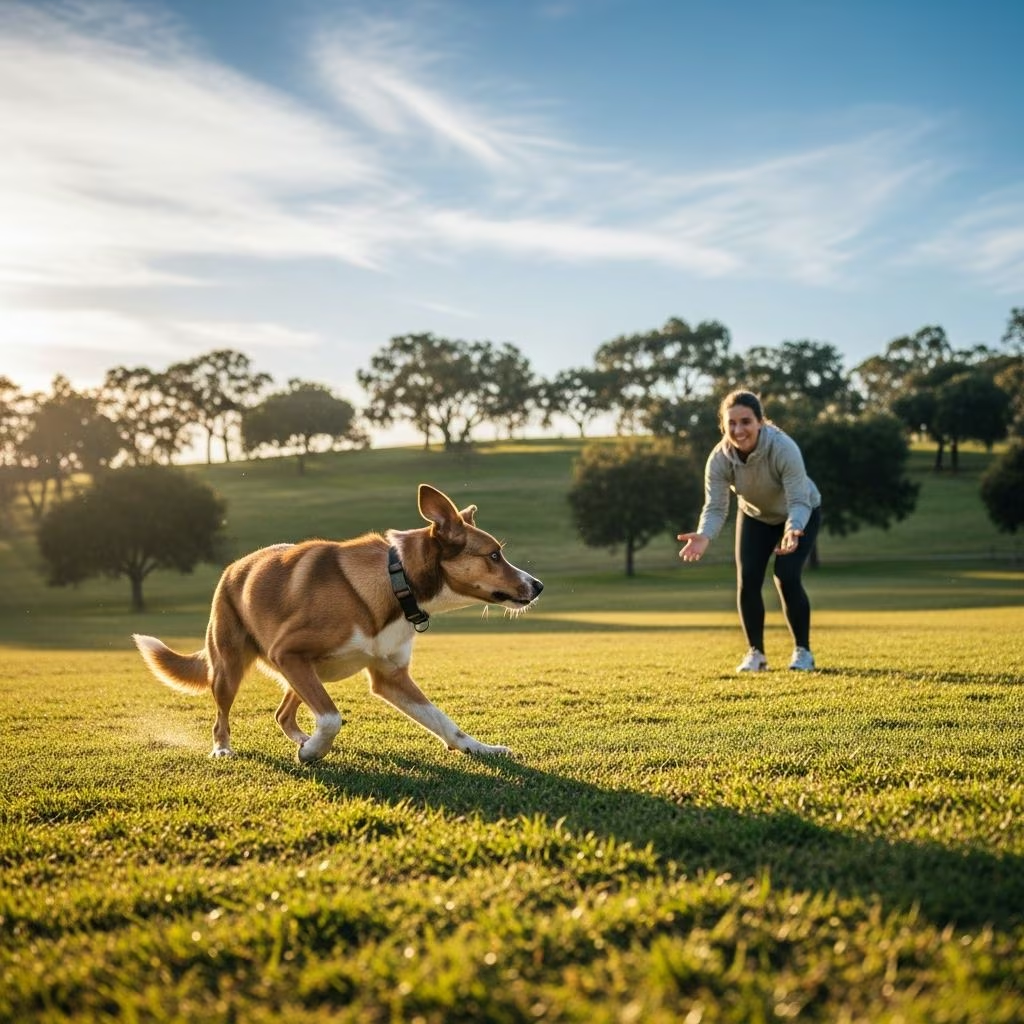
Teaching your dog to come when called is one of the most critical skills for safety and enjoyment. A reliable recall prevents dangerous situations and strengthens your bond. This guide outlines a step-by-step approach using positive reinforcement, fun games, and gradual progression to build a response that works even amid distractions.
Why Reliable Recall Matters for Every Dog Owner
A strong recall cue ensures your dog returns promptly, whether near traffic, other animals, or tempting scents. According to veterinary experts, this skill can save lives by averting escapes or conflicts.Positive reinforcement builds enthusiasm, making ‘come’ a joyful command rather than a chore. Statistics from animal behavior studies show dogs trained with rewards respond 80-90% faster in real-world scenarios compared to punishment-based methods.
Start young, but older dogs can learn too. Consistency across family members prevents confusion. Always pair the cue with happiness to avoid negative associations.
Foundational Principles of Effective Recall Training
Success hinges on these core rules:
- Use high-value rewards: Choose treats like chicken, cheese, or favorite toys that outshine distractions.
- Never punish a recall: Even slow responses get praise to keep the behavior positive.
- Practice daily in short sessions: 5-10 minutes prevents fatigue and builds habit.
- Select a unique cue: Words like ‘here’ or ‘zoom’ avoid overlap with other commands.
- Phase in tools gradually: Leashes ensure safety before off-leash freedom.
These principles, backed by university research, emphasize relationship-building over force.
Step-by-Step Recall Training: From Indoors to Outdoors
Begin in low-distraction zones and scale up. Aim for 90% success before advancing.
Phase 1: Indoor Basics (Low Distraction)
Inside your home, kneel to your dog’s level. Show a treat, say your cue happily once, and praise as they approach. Reward immediately upon arrival. Repeat 10 times daily.
Progress by adding distance: Back up 5 feet while calling. Use a happy tone to encourage movement. Once solid, hide in another room for a ‘find me’ game—call and reward discovery with play.
Phase 2: Adding Distance and Leash Work
Move to a hallway or fenced yard with a 15-20 foot long line for safety. Let your dog explore, then call cheerfully. Gently reel if needed, but reward self-initiated comes lavishly.
Incorporate sitting: After recall, cue ‘sit’ and treat. This chains behaviors for control. Practice reaching for the collar gently—reward to prevent dodging.
Phase 3: Introducing Mild Distractions
Enlist a helper to stand nearby or walk across the path. Call your dog past them, rewarding focus on you. Start small: clapping or talking, then progress to toy tosses.
Use a table for progression tracking:
| Distraction Level | Example | Goal Success Rate |
|---|---|---|
| Low | Quiet room | 100% |
| Medium | Family member sitting | 90% |
| High | Another dog on leash | 80%+ |
Engaging Recall Games to Boost Enthusiasm
Games make training irresistible. Rotate them for variety.
- Catch Me Game: On leash, say cue and run away excitedly. Stop after 10 feet, reward with tug or fetch. Builds chase instinct.
- Hot Potato: Family members take turns calling from 10 feet apart, each with treats. Dog shuttles for rewards, learning group reliability.
- Restrained Recall: Helper holds collar; you run calling. Release for speedy return—time it for fun competition.
- Find Me Advanced: Hide outdoors, whistle if needed. Reward with jackpot treats (multiple pieces).
These games, recommended by AKC experts, turn recall into play, increasing speed and joy.
Overcoming Common Recall Challenges
Dogs ignore cues due to distractions or past errors. Solutions:
Selective Hearing: Environment too tough? Downshift to easier settings. Never repeat cue—wait or use emergency strategies like running away.
Fear of Capture: Pair collar grabs with treats from day one. Gradually add leashes without tension.
High-Drive Breeds: Herding or hound dogs need premium rewards like liver bits. Practice impulse control via ‘place’ stays amid temptations.
Off-Leash Risks: Only in fenced areas. Long lines prevent bolting while allowing practice.
Advanced Techniques for Distraction-Proof Recall
Once basics are fluent, proof against real life:
- Practice in parks on long lines (20-50 feet, never retractables).
- Run across paths or toss balls during recalls to mimic chaos.
- Vary rewards: 70% treats, 20% toys, 10% life rewards (end stay, resume walk).
- Randomize: Call unpredictably to prevent anticipation gaming.
UC Davis protocols stress positive physical touch post-recall for real-world handling.
Safety Tips and Real-World Application
Never off-leash unsecured dogs. In emergencies, squat, clap, or use squeaky toys over chasing. Daily practice maintains fluency—fade treats to verbal praise over time.
For multi-dog homes, train individually first. Puppies learn fastest; adults need patience.
Frequently Asked Questions (FAQs)
How long does recall training take?
Weeks to months with consistency. Puppies: 2-4 weeks basics; adults: 1-3 months.
What if my dog runs the other way?
Don’t chase—run opposite to flip chase dynamic. Use long line for gentle guidance.
Can rescues with bad histories learn recall?
Yes, positives rebuild trust. Start extra low-distraction.
Best treats for recall?
Soft, smelly: hot dogs, cheese. Size: pea-sized to avoid overfeeding.
When to go off-leash?
Only after 95% success on long line in target environments.
Final Thoughts on Lifelong Recall Maintenance
Recall is never ‘done’—lifelong upkeep ensures reliability. Celebrate progress and enjoy the freedom a solid cue brings. Your dog’s safety depends on it.
References
- Teaching a Reliable Recall — Whole Dog Journal. 2023. https://www.whole-dog-journal.com/training/teaching-a-reliable-recall/
- How to Train a Reliable Recall for Your Dog — American Kennel Club (akc.org). 2024-05-15. https://www.akc.org/expert-advice/training/reliable-recall-train-dogs-to-come-when-called/
- Recall Training in Dogs — UC Davis Veterinary Medicine (.edu). 2022. https://www.vetmed.ucdavis.edu/sites/g/files/dgvnsk491/files/inline-files/Recall_Training_in_Dogs.pdf
- How To Teach a Dog To Come: Recall Training Guide — PetMD (vet-approved). 2025-01-10. https://www.petmd.com/dog/training/how-to-teach-a-dog-to-come
- Recall Training: The One Cue Every Dog Should Know — Fenzi Dog Sports Academy. 2023. https://www.fenzidogsportsacademy.com/blog/recall-training



