

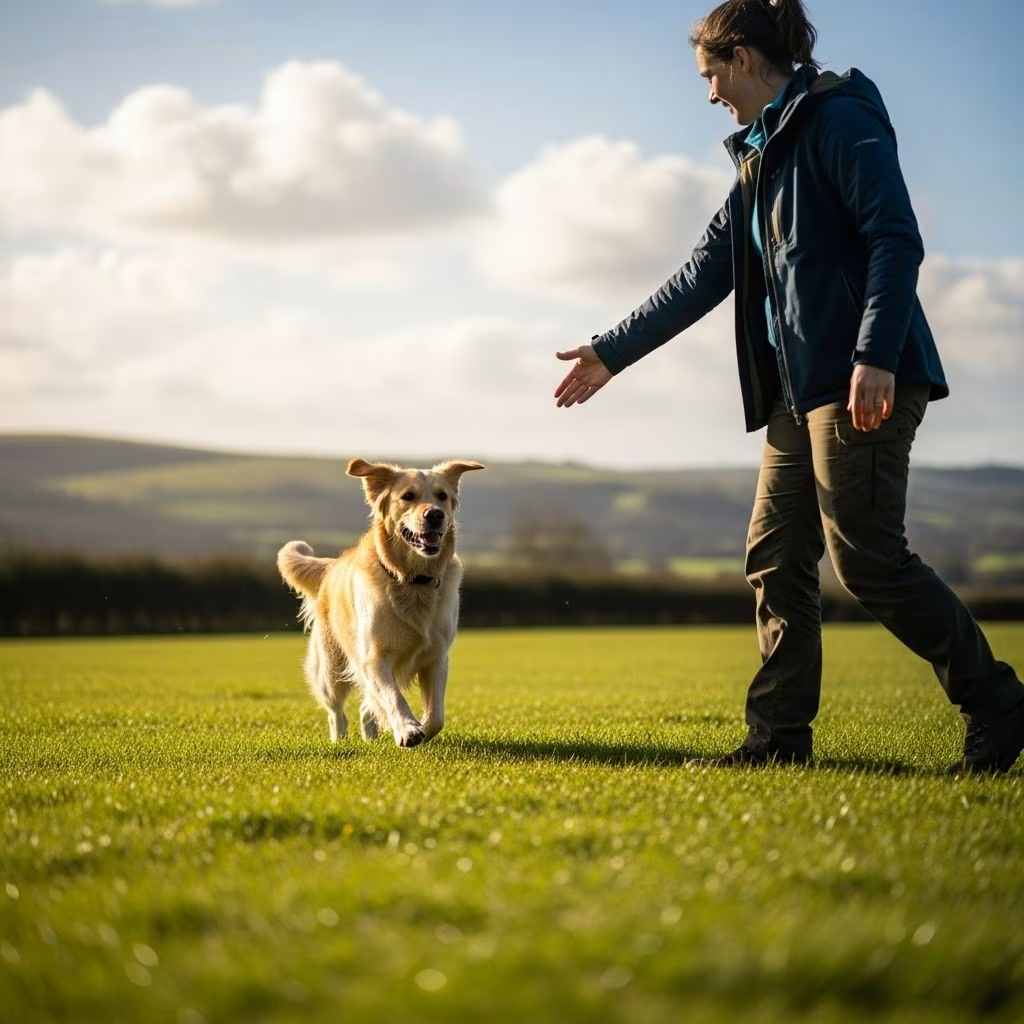
A reliable recall is one of the most critical skills you can teach your dog. It ensures their safety in unpredictable situations, allows for off-leash freedom, and strengthens your bond. This comprehensive guide explores foundational principles, step-by-step methods, and advanced strategies to develop a rock-solid “come” command that works every time.
Why Recall Matters for Every Dog Owner
Recall training goes beyond basic obedience; it’s a lifesaver. Whether preventing a dash into traffic or calling your dog away from distractions at the park, a strong recall promotes safety and enjoyment. Dogs with reliable recalls can explore confidently without constant worry, fostering trust between pet and owner.
Statistics from animal welfare organizations highlight that poor recall contributes to many runaway incidents. Positive, consistent training mitigates these risks, turning potential hazards into controlled fun.
Core Principles of Effective Recall Training
Success hinges on understanding canine learning. Dogs respond best to clear communication, immediate rewards, and repetition without punishment. Positive reinforcement—rewarding desired behavior—increases the likelihood of repetition, making recall a joyful habit rather than a chore.
- Consistency: Use the same cue every time, like “come” or your dog’s name followed by “here.”
- Positivity: Never punish a slow response; it erodes trust.
- High-Value Rewards: Choose treats, toys, or praise that your dog loves most.
- Gradual Progression: Start simple, build complexity.
Selecting the Perfect Recall Cue
Choose a distinct, upbeat word or sound. Short cues like “come,” “here,” or a whistle blast cut through noise effectively. Whistles provide consistency, especially outdoors, as they carry farther than voices. Practice the cue only when success is likely to avoid dilution.
| Cue Type | Pros | Cons | Best For |
|---|---|---|---|
| Verbal (“Come”) | Simple, natural | Can blend with noise | Indoor/home use |
| Whistle | Loud, consistent | Requires carrying tool | Outdoor/distraction-heavy |
| Name + Command | Personalized attention | Overuse fatigues name | Family settings |
Building the Foundation: Low-Distraction Practice
Begin indoors or in a fenced yard where temptations are absent. This builds confidence and associates the cue with rewards. Kneel a few feet away, say the cue happily, and reward as your dog approaches. Use a marker like “yes!” followed by a treat to pinpoint the exact behavior.
Short sessions—5-10 minutes daily—prevent fatigue. Aim for 10-20 reps per session. Gradually increase distance: start at 3 feet, progress to room-spanning calls. Reward eye contact and proximity to reinforce voluntary check-ins.
Collar Comfort and Grabbing Games
Many dogs resist collar grabs, associating them with endings to fun. Counter this with the “gotcha” game: gently touch the collar, say “gotcha,” and immediately reward. During recalls, grab the collar before treating to build tolerance. This ensures you can secure your dog post-recall.
Fun Games to Accelerate Learning
Transform training into play to boost engagement. Games leverage a dog’s chase instinct and social drive, speeding up association between cue and action.
- Find Me: Hide in another room, call your dog, and reward lavishly upon arrival. Builds speed and enthusiasm.
- Hot Potato: Family members take turns calling the dog across a room, rewarding each response. Encourages quick pivots.
- Chase Backward: Say the cue and run backward rapidly; click or mark when the dog pursues, rewarding on catch-up.
- Recall Tug: After responding, initiate a quick tug game or toy toss to make returns exciting.
These keep sessions fresh, preventing boredom and embedding the cue deeply.
Proofing Against Distractions: Step-by-Step
Once basics are solid (90% success indoors), introduce mild distractions. Progress methodically to mimic real life.
- Mild (Quiet Yard): Walk across the dog’s path or drop a toy nearby while calling.
- Moderate (Neighborhood): Practice during walks with passing sounds/smells. Use a 20-50 foot long line for safety.
- High (Parks/Roads): Simulate temptations like other dogs or balls. Reward heavily for ignoring distractions.
Always use the long line initially to prevent failures. If the dog ignores, calmly reel in without repeating the cue—repetition teaches ignoring.
Long Line Training Tips
A non-retractable long line (20-50 feet) allows freedom while maintaining control. Call cheerfully, run away to encourage chase, then reward. Vary rewards—treats one time, play the next—to keep anticipation high.
Advanced Techniques for Bulletproof Recall
For real-world reliability, layer in complexity. Train in wind, rain, or crowds. Use emergency cues sparingly—a unique whistle blast—for dire situations, reserving it for highest-value rewards.
Transition from constant treats: Randomize rewards (variable schedule) like slot machines, making responses addictive. Praise lavishly even without treats to maintain value.
Handling Setbacks
If recall falters, revert to easier settings. Analyze failures: Was the distraction too intense? Reward insufficient? Adjust accordingly. Patience is key; rushing leads to frustration.
Common Mistakes and How to Avoid Them
- Repeating the Cue: Say it once; multiple calls teach delay.
- Punishing Late Arrivals: Always reward to preserve positivity.
- Inconsistent Rewards: Low-value treats fail against squirrels.
- Skipping Proofing: Indoor success doesn’t guarantee park obedience.
Breeds and Age Considerations
Herding breeds like Border Collies may chase distractions; sighthounds prioritize speed. Puppies learn fastest (8-16 weeks), but adults improve with structure. Senior dogs benefit from gentle, short sessions focusing on health limits.
Tools and Rewards That Work
High-value items: Chicken, cheese, squeaky toys. For play-motivated dogs, balls or tug ropes shine. Carry a treat pouch for spontaneity.
FAQs
What if my dog ignores the recall cue?
Don’t chase or punish. Use the long line to guide back, then reward heavily in low-distraction spots. Build value first.
How long until recall is reliable?
Basics in 2-4 weeks with daily practice; proofing takes months. Consistency speeds it up.
Can I train multiple dogs together?
Yes, with Hot Potato games, but start individually for focus.
Is a whistle better than voice?
Often yes for distance and consistency, especially for shy barkers.
What rewards for food-motivated vs. play-motivated dogs?
Match preferences: treats for eaters, toys/games for players.
Long-Term Maintenance
Recall is a lifelong skill. Practice weekly in varied spots. Randomly reward check-ins to keep it sharp. Enroll in classes for professional guidance and socialization.
With dedication, your dog will respond eagerly, enhancing adventures safely.
References
- Dog Recall Training: Essential Steps for Reliable Obedience — The Collar Club Academy. 2023. https://www.thecollarclubacademy.com/blog/dog-recall-training-essential-steps-for-reliable-obedience
- How to Train a Reliable Recall for Your Dog — American Kennel Club. 2024-03-15. https://www.akc.org/expert-advice/training/reliable-recall-train-dogs-to-come-when-called/
- Teaching a Reliable Recall — Whole Dog Journal. 2023. https://www.whole-dog-journal.com/training/teaching-a-reliable-recall/
- Training a Steadfast Recall — Karen Pryor Clicker Training. 2022-06-10. https://clickertraining.com/training-a-steadfast-recall/
- Dog Recall Training — Scottish SPCA. 2024. https://www.scottishspca.org/advice/dogs/dog-recall-training/



