

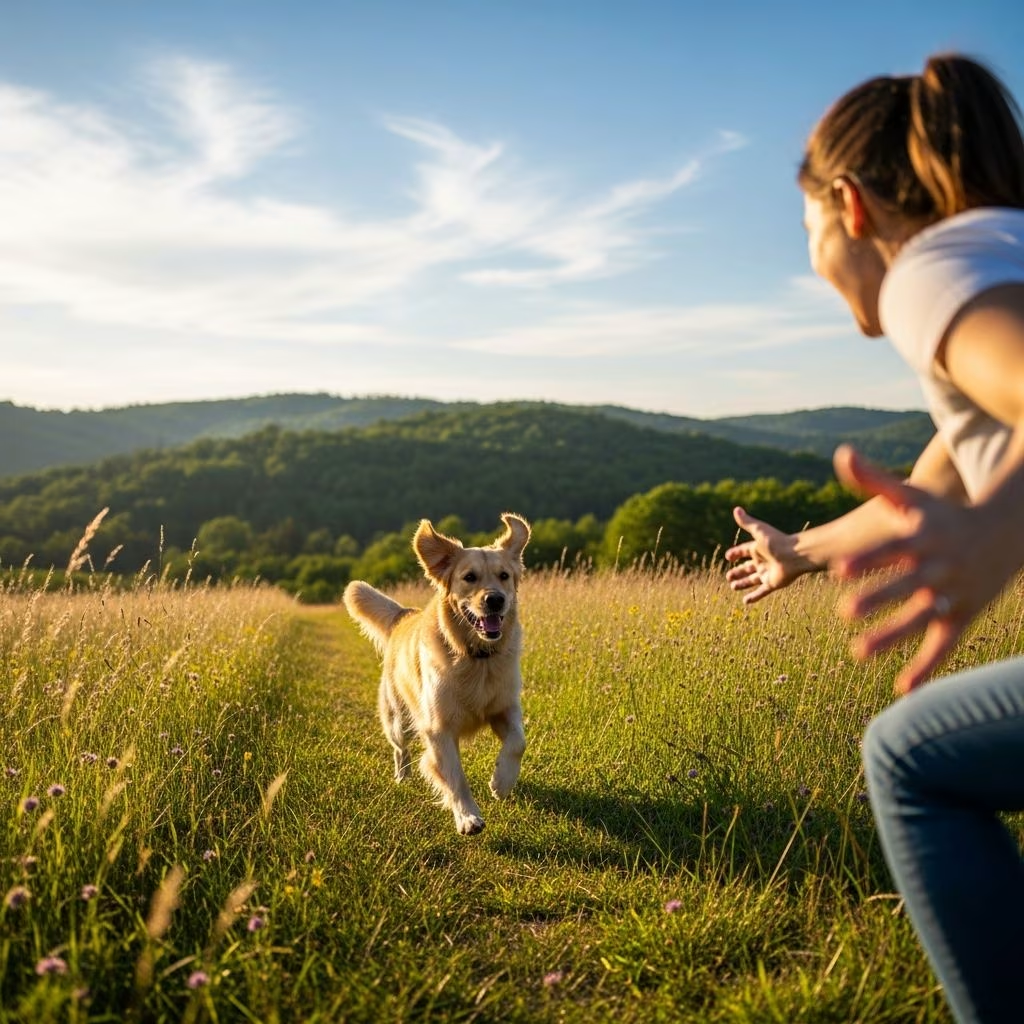
Teaching your dog to come when called is one of the most critical skills for safety and enjoyment. A reliable recall prevents dangerous escapes, allows off-leash freedom in safe areas, and strengthens your bond. This guide explores engaging games and structured methods to develop this essential behavior, starting from basics and progressing to real-world challenges.
Why Reliable Recall Matters for Every Dog Owner
Recall isn’t just a command; it’s a lifesaver. Whether in a park, near traffic, or around wildlife, a dog that responds instantly to your call avoids hazards. According to the American Kennel Club, consistent recall training reduces runaway risks and respects leash laws while building trust. Begin early with puppies, but adults can learn too with patience and positivity.
Key benefits include safer walks, happier play sessions, and confidence in unenclosed spaces. Poor recall often stems from insufficient practice, not stubbornness. Focus on making yourself the most rewarding choice over any distraction.
Essential Tools for Safe Recall Practice
Gather these items before starting:
- Long line leash: 15-50 feet, non-retractable for control without pulling.
- High-value rewards: Meaty treats, favorite toys, or tug games that outshine distractions.
- Harness: Safer than collars to avoid neck strain during training.
- Clicker or marker word: For precise timing of rewards.
Choose quiet, enclosed areas first, like your yard or indoor spaces, graduating to parks. Always prioritize safety—never practice off-leash in unsafe zones.
Building the Foundation: Indoor Recall Games
Start indoors to eliminate distractions. The goal is associating your cue (e.g., “Come!”) with joy and rewards.
Happy Caller Game
Call your dog’s name in an excited voice, then back away quickly while clapping or squealing. When they approach, shower with treats and praise. Repeat 5-10 times per session, varying your position. This builds enthusiasm without pressure.
Eye Contact Reward
Hold a treat near your eyes until your dog looks up. Mark with “Yes!” and reward. Add the cue as they reliably connect gaze with reward. This fosters attention before movement.
Practice 3-5 sessions daily, keeping them short (5 minutes) to maintain fun. Track progress: aim for 90% success before advancing outdoors.
Transitioning Outdoors with Long Line Drills
A long line provides freedom while ensuring safety. Let it drag or hold loosely—never yank.
Chase Me Drill
With your dog on the long line, say your cue cheerfully and run away 10-15 feet. Stop abruptly, reward heavily when they catch up. Gradually increase distance. This mimics fun pursuit, making recall irresistible.
Collar Grab Conditioning
Many dogs fear collar touches signaling “leash time.” Practice grabbing the collar gently, treating immediately, then releasing. Do this randomly during play to build positive associations.
Pro Tip: If ignoring the cue, walk to them calmly, looping excess line, rather than reeling in. This preserves the cue’s value.
Leveling Up: Introducing Mild Distractions
Once basic recall shines, add controlled distractions. Order them by difficulty: toys, people, mild scents, then animals.
| Distraction Level | Examples | Training Strategy |
|---|---|---|
| Low | Family member walking by | Call from 10 feet; reward double. |
| Medium | Toy toss nearby | Use better toy for recall reward. |
| High | Squirrel at distance | Practice sit-stay first, then recall. |
Leave It Integration
Teach “Leave it” with low-value items first. Place treat on floor, cover with foot, reward from hand for ignoring. Progress to higher value and distance. Combine with recall: “Leave it… Come!” This boosts impulse control.
Advanced Games for Distraction-Proof Recall
For off-leash reliability, simulate real scenarios.
Runaway Helper Game
Enlist a helper to hold your dog. Run away excitedly, calling the cue. Release and reward the sprint to you. Increase your lead distance gradually.
Toy Chase Redirect
If fixated on a toy or another dog, use a superior toy or playful chase. Hide behind obstacles, peeking out to lure them.
Duration and Distance Challenges
Test longer holds: Have your dog wait while you walk far, then recall. Vary environments—rural fields for wildlife, urban parks for traffic noise. Daily repetition yields quick gains.
Monitor moods; tired or overstimulated dogs need easier sessions. Patience is key—progress may take weeks, but consistency pays off.
Common Pitfalls and How to Avoid Them
- Repeating the cue: If no response, environment is too hard. Reduce distractions or intervene gently.
- Punishing late recalls: Always reward arrival to avoid aversion.
- Overusing the line: Fade it out once success hits 95%.
- Low rewards: Match or exceed distraction value.
Respect local laws—many areas require leashes. Use enclosed fields for off-leash practice.
Age-Specific Tips: Puppies vs. Adults
Puppies (under 6 months): Short sessions, frequent rewards. Capitalize on their food drive and playfulness.
Adults: Address fears or habits first. Use history of reinforcement—pair cue with jackpots (multiple treats/toys).
Measuring Success and Maintenance
Success: 9/10 recalls in moderate distractions on long line. Maintenance: Weekly refreshers in new spots. Vary rewards to keep unpredictability exciting.
Frequently Asked Questions
How long does recall training take?
Weeks to months, depending on consistency and dog. Daily 10-minute sessions accelerate progress.
What if my dog runs away during training?
Use long line for safety. Never chase—run opposite to lure them.
Can rescue dogs learn recall?
Yes, with positive methods tailored to past experiences.
Is a 50-foot line necessary?
Start with 15-20 feet; longer for advanced work.
Final Thoughts on Lifelong Recall Skills
Recall is a journey of fun games turning into instinct. Stay positive, progressive, and safe. Your dog’s freedom and your peace of mind depend on it. Practice today for tomorrow’s adventures.
References
- How to Train your Puppy to Recall Off Leash — The Dog Walks Me. 2021-02-21. https://www.thedogwalksme.com/2021/02/21/how-to-train-your-puppy-to-recall-off-leash/
- Recall training 101: How to use a long line training lead — East Coast Dog Training. N/A. https://eastcoastdogtraining.co.uk/how-to-use-a-long-line/
- Teaching a Reliable Recall — Whole Dog Journal. N/A. https://www.whole-dog-journal.com/training/teaching-a-reliable-recall/
- How to Train a Reliable Recall for Your Dog — American Kennel Club. N/A. https://www.akc.org/expert-advice/training/reliable-recall-train-dogs-to-come-when-called/
- Recall Training: The One Cue Every Dog Should Know — Fenzi Dog Sports Academy. N/A. https://www.fenzidogsportsacademy.com/blog/recall-training?tmpl=component&print=1&format=print



