

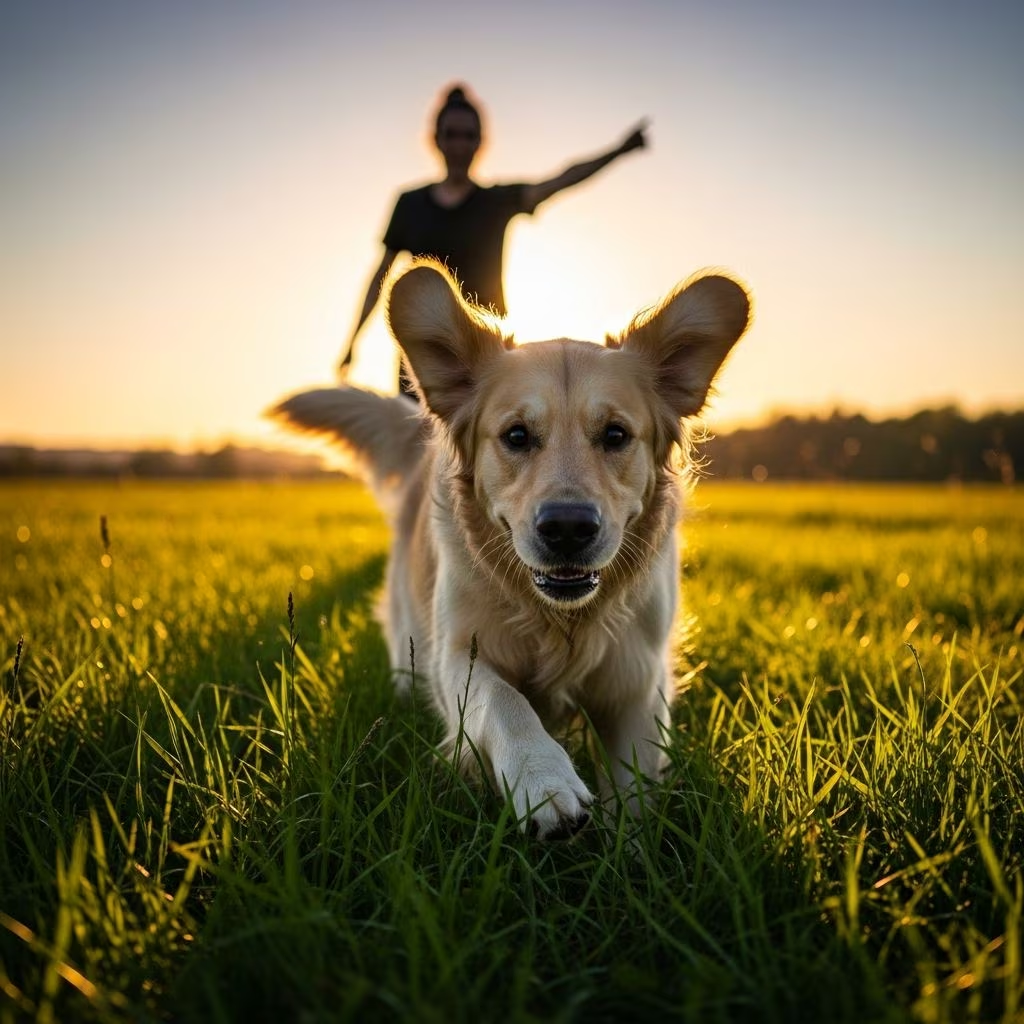
Teaching your dog to come when called is one of the most critical skills for safety and enjoyment. A strong recall prevents dangerous escapes, allows off-leash freedom in safe areas, and strengthens your bond. This guide outlines 12 key strategies drawn from expert positive reinforcement methods to build a rock-solid response.
Why Reliable Recall Matters for Every Dog Owner
A dependable recall can save lives during unexpected situations like near traffic or wildlife encounters. Unlike basic commands, recall must work amid distractions, requiring consistent, fun training. Start indoors with low distractions, gradually increasing challenges to mimic real-world scenarios. Positive reinforcement—using treats, toys, and praise—ensures your dog associates the cue with joy, not punishment.
Common pitfalls include repeating the cue, which dilutes its power, or punishing slow responses, which erodes trust. Instead, focus on high-value rewards like chicken or favorite toys to make compliance irresistible.
Strategy 1: Select a Unique and Exciting Cue
Choose a specific word or sound, such as “here” or a whistle, not used for other commands. Say it once in an upbeat tone to signal something amazing awaits. This specificity prevents confusion with everyday language.
Strategy 2: Begin in a Calm, Controlled Space
Low-distraction environments like your living room build confidence. Show a treat or toy, praise movement toward you, then introduce the cue only when success is likely. Reward generously upon arrival.
- Kneel to appear non-threatening.
- Use happy vocal tones and body language.
- Mark success with a clicker or “yes!” for precision.
Strategy 3: Incorporate Movement to Spark Interest
Dogs chase motion. On leash, say the cue cheerfully and jog backward or away. Stop after 10-15 feet, rewarding with treats or play. This turns recall into a game, boosting speed and enthusiasm.
Strategy 4: Reward Eye Contact and Proximity
Whenever your dog glances at you or stays near, praise and treat. This banks “good things happen near you,” making voluntary check-ins habitual. Use variable rewards to keep it unpredictable and exciting.
Strategy 5: Introduce the Long Line for Safety
Transition outdoors with a 20-50 foot non-retractable long line. It allows exploration while ensuring control. Practice recalls gently reeling if needed, but prioritize positive pulls.
| Leash Type | Length | Best Use |
|---|---|---|
| Standard Leash | 6 ft | Indoor basics |
| Long Line | 20-50 ft | Outdoor practice |
| Retractable | Variable | Avoid for training |
Strategy 6: Play Engaging Recall Games
Games accelerate learning by adding fun. Try these:
- Chase Me: Run away on leash, cue recall, reward at your side.
- Hide and Seek: Call from another room; praise profusely on arrival.
- Hot Potato: Family members take turns calling with treats.
These build speed and reliability through repetition and joy.
Strategy 7: Gradually Add Real-Life Distractions
Progress from quiet yards to parks. Start small: someone walks between you. Escalate to toys tossed nearby or other dogs. Reward heavily to outweigh temptations.
Strategy 8: Teach Collar Grabs Without Fear
Post-recall, gently touch the collar under the chin, treat, then release with play. This prepares for leashing in emergencies, preventing evasion games.
Strategy 9: Use High-Value, Unpredictable Rewards
Rotate meats, cheeses, or tug toys. Vary timing to mimic slot machines—dogs love the surprise, making recall a must-do.
Strategy 10: Practice Daily with Progressive Difficulty
Short, frequent sessions trump marathons. Increase distance, speed, and distractions weekly. Track progress to stay motivated.
Strategy 11: Avoid Chasing—Reverse the Game
If your dog bolts, don’t pursue; run opposite to trigger chase instinct. Crouch playfully or toss treats behind you.
Strategy 12: Reinforce in Secure Areas Only
Off-leash practice demands fenced yards or dog parks. Never risk unsecured spaces until 99% reliable. Long lines bridge the gap.
Advanced Techniques for Distraction-Proof Recall
For tough cases, try restrained recalls: a helper holds the collar while you dash away excitedly, timing for speed. Add e-collar overlays only after basics, under pro guidance. Combine with empowered voice tones—high-pitched cheers—to pierce distractions.
Troubleshooting Common Recall Challenges
Slow Response: Boost reward value; reduce distractions.
Ignores in Parks: Revert to long line; practice high-distraction drills.
Fear of Collar: Pair touches with jackpots early.
Consistency across family prevents mixed signals.
Sample Weekly Training Plan
| Day | Focus | Duration | Setting |
|---|---|---|---|
| 1-2 | Basics + Eye Contact | 5 min x 3 | Indoors |
| 3-4 | Games + Distance | 10 min x 2 | Backyard |
| 5-7 | Distractions + Collar | 15 min x 2 | Park (long line) |
FAQs
What if my dog only comes for treats?
Phase to life rewards like praise or play. Variable scheduling prevents treat dependency.
How long until off-leash reliable?
Weeks to months, depending on breed, age, and consistency. Test in fenced areas first.
Can puppies learn recall?
Yes, start at 8 weeks. Keep sessions short and fun.
What breeds struggle most?
Hounds and herders due to instincts, but all improve with method.
Is punishment ever okay?
No— it backfires. Always end positively.
Long-Term Maintenance for Lifelong Success
Recall isn’t set-it-and-forget-it. Weekly refreshers in varied spots keep it sharp. Enroll in classes for pro feedback. Celebrate milestones to sustain motivation.
With these 12 strategies, your dog will rocket to you reliably, enhancing safety and adventures. Patience and positivity yield transformative results.
References
- Teaching a Reliable Recall — Whole Dog Journal. 2023-05-15. https://www.whole-dog-journal.com/training/teaching-a-reliable-recall/
- How to Train a Reliable Recall for Your Dog — American Kennel Club. 2024-08-20. https://www.akc.org/expert-advice/training/reliable-recall-train-dogs-to-come-when-called/
- Recall Training in Dogs — UC Davis Veterinary Medicine. 2022-11-10. https://www.vetmed.ucdavis.edu/sites/g/files/dgvnsk491/files/inline-files/Recall_Training_in_Dogs.pdf
- How To Teach a Dog To Come: Recall Training Guide — PetMD. 2024-03-12. https://www.petmd.com/dog/training/how-to-teach-a-dog-to-come
- Recall Training: The One Cue Every Dog Should Know — Fenzi Dog Sports Academy. 2023-07-05. https://www.fenzidogsportsacademy.com/blog/recall-training?tmpl=component&print=1&format=print



