
Mastering Dog Play Supervision
Learn essential techniques to supervise and guide your dog's interactions for safe, enjoyable play sessions with other dogs.
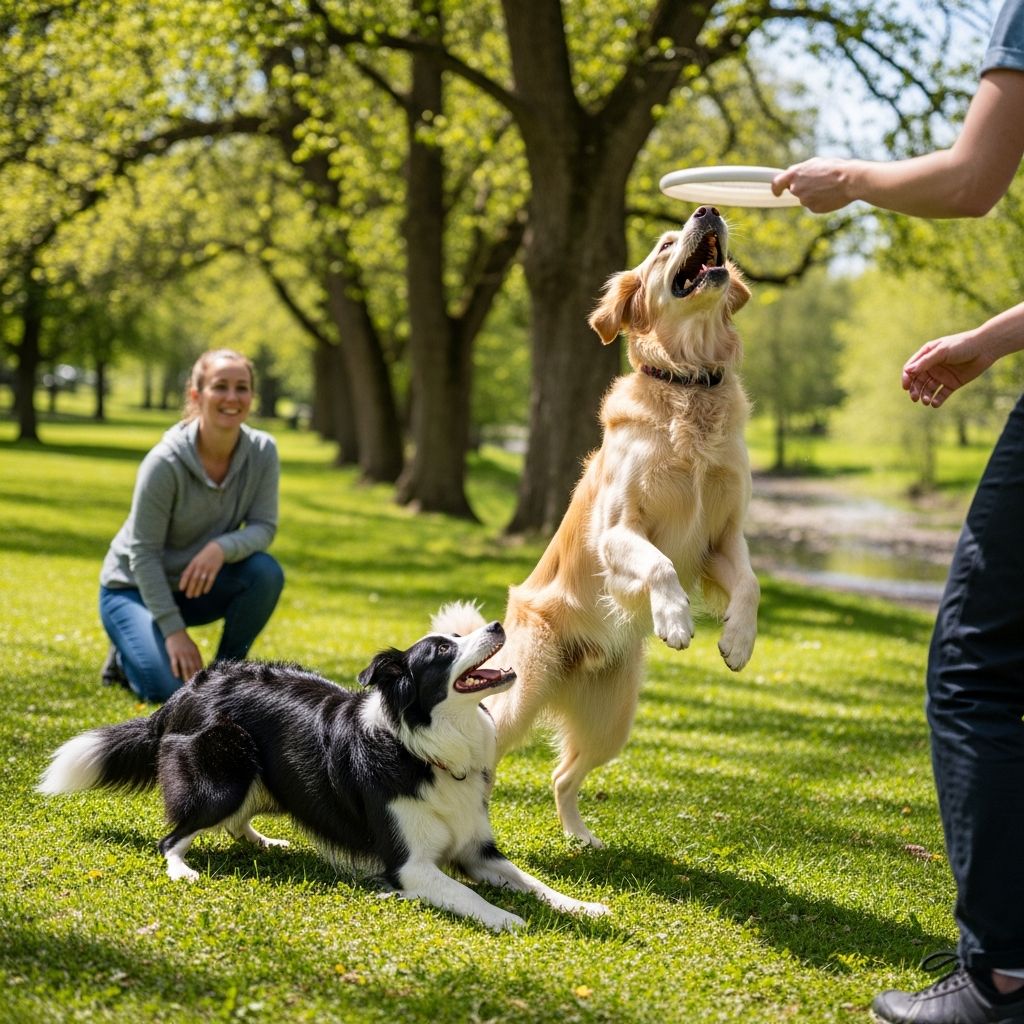
Effective supervision of dog play is crucial for ensuring safe and enjoyable interactions between dogs. Owners who actively monitor and manage these sessions can prevent injuries, reduce stress, and foster positive social skills in their pets.
Understanding the Essentials of Healthy Canine Interactions
Healthy dog play involves clear communication through body language and balanced participation. Dogs use specific signals to indicate fun intentions, such as the classic play bow where the front legs lower while the rear stays elevated. This posture, combined with relaxed open mouths and loose body movements, reassures playmates that the interaction is friendly.
Well-socialized dogs demonstrate self-regulation by adjusting their intensity to match their partner’s size and energy. Larger dogs often crouch low, slow their pace, or soften their movements when engaging with smaller companions, preventing accidental harm. Role reversals are another hallmark of appropriate play; dogs alternate between chasing and being chased, maintaining equilibrium and avoiding overwhelm.
Spotting Signs of Trouble in Play Sessions
Not all roughhousing stays harmless. Watch for indicators that play is veering into problematic territory, like persistent one-sided pursuit without switches, which can leave the pursued dog defensive or exhausted. Escalating intensity without pauses signals poor impulse control and rising overarousal, often marked by faster movements, stiffening bodies, or ignored owner calls.
Vocalizations can be normal, but if they intensify alongside avoidance signals from one dog—such as tucked tails, lip licking, or evasion attempts—intervention is needed. Body slamming, hard mouthing, or mounting without reciprocal play may provoke reactions, turning fun into fights.
Strategies for Managing Arousal Levels
High arousal underlies many play issues, so proactive management keeps things under control. Early signs include heightened speed, fixation on playmates, and reduced responsiveness. Addressing these promptly prevents escalation.
- Implement frequent breaks: Call your dog for short pauses using their name or a recall cue, rewarding with treats or praise before releasing back to play.
- Redirect focus: Use high-value rewards or toys to shift attention, teaching dogs to pause voluntarily.
- Alter the environment: Move to quieter areas, encourage sniffing, or change activities to reset energy.
Consistent practice builds reliable responses, making parks safer.
Practical Intervention Techniques for Owners
Timing and method matter when stepping in. Assess first: many dogs resolve minor tensions independently. If needed, remain calm to avoid amplifying excitement.
| Situation | Technique | Benefits |
|---|---|---|
| Overarousal building | Recall and reward | Creates break, reinforces training |
| Tense groupings | Body blocking (walk through calmly) | Diffuses without grabbing, promotes movement |
| Unbalanced chase | Gently guide away with praise | Allows de-escalation, maintains positive tone |
| Rough play | Separate and redirect to toy | Prevents injury, teaches alternatives |
Coordinate with other owners for joint efforts, prioritizing de-escalation over separation unless necessary. Stay mobile—stagnation heightens tension.
Building Confidence for Group Play
Confident dogs handle social settings better. Start with controlled exposures: small groups or known playmates before crowded parks. Pair these with rewards like treats or toys to create positive links.
Enroll in puppy classes to observe expert interventions and learn body language cues. Gradually increase complexity, always prioritizing calm behaviors.
Handling Size and Age Differences
Mixed-size play requires vigilance. Appropriate matches show big dogs self-handicapping and small ones actively participating. If mismatches occur, use size-specific areas or leashed parallels.
Adolescents may lose play tolerance; reinforce calm and pair with tolerant adults. Avoid overly arousing scenarios to prevent bad habits.
Proactive vs. Reactive Management
Don’t wait for scuffles—preemptive action is key. Ditch distractions like phones; full attention prevents most issues. Practice recalls during play to build off-leash reliability, associating returns with resumed fun.
Regular interruptions before roughness emerge teach boundaries. This elevates your role in their social world, strengthening bonds.
Encouraging Appropriate Play Styles
Promote non-contact games like fetch over wrestling. Teach tug rules: drop on cue, no grabbing hands. Keep toys handy for redirections, helping dogs anticipate appropriate outlets.
Rude players—those body-slamming or mounting—may need removal until manners improve via structured sessions.
Long-Term Benefits of Supervised Play
Consistent management minimizes injuries, fights, and fears. Dogs gain social savvy, owners build trust and skills. Playgroups enhance behavior via natural learning.
Frequently Asked Questions
What if my dog ignores recalls during play?
Practice in low-distraction settings first, using high-value rewards. Gradually add play scenarios.
Is rough play always bad?
No, if balanced with signals and reversals. Monitor for escalation.
How often should I intervene?
Proactively every few minutes to prevent overarousal.
Can puppies play with adults?
Yes, with supervision; adults model good behavior.
What about vocalizing or mounting?
Normal in moderation; interrupt if one-sided or increasing.
References
- Dog Park Behavior Guide: Group Play Dynamics and Safety — Wagbar. 2023. https://www.wagbar.com/dog-park-behavior-guide-group-play-dynamics-and-safety
- What’s the Key to Polite Dog Play? — Patricia McConnell. 2022-10-15. https://www.patriciamcconnell.com/theotherendoftheleash/whats-the-key-to-polite-dog-play/
- Press Pause: How to Manage Dog Play — Preventive Vet. 2023. https://www.preventivevet.com/dogs/how-to-manage-dog-play
- How to Help Keep Dog Play Friendly — NutriSource Pet Foods. 2024. https://nutrisourcepetfoods.com/blog/how-to-help-keep-dog-play-friendly/
- Mouthing, Nipping and Play Biting in Adult Dogs — ASPCA. 2023-05-01. https://www.aspca.org/pet-care/dog-care/common-dog-behavior-issues/mouthing-nipping-and-play-biting-adult-dogs
- Understanding Dog Play — Positively.com. 2022. https://positively.com/dog-training/article/foundations-understanding-dog-play
- When Good Play Goes Bad: Dog Tolerance Changes — Animal Humane Society. 2023. https://www.animalhumanesociety.org/resource/when-good-play-goes-bad-dog-tolerance-changes-adolescentadult-dogs
Similar Articles








Read full bio of medha deb




