

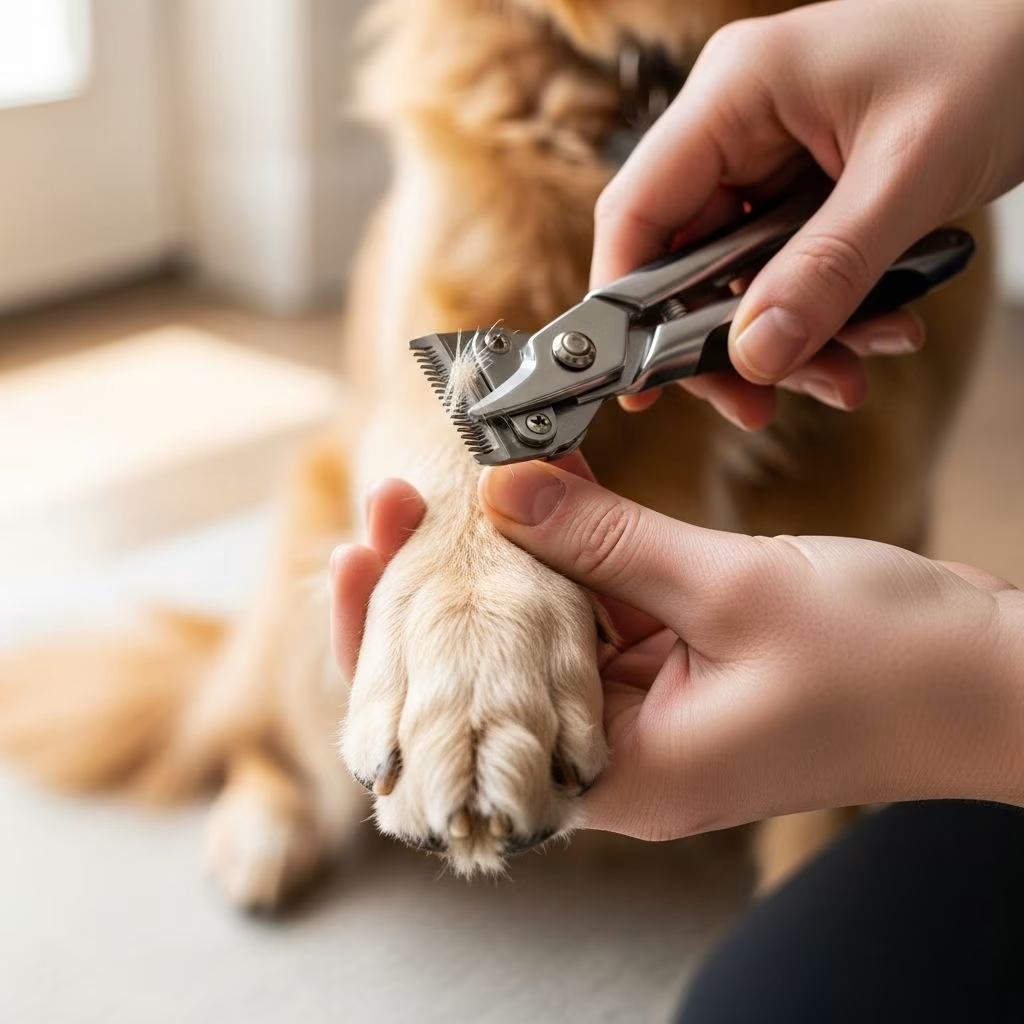
Regular grooming of a dog’s paws is vital for their comfort, mobility, and overall health. Excess hair between the pads can trap dirt, reduce traction on slippery surfaces, and lead to slips or injuries. Top paw fur that grows long can harbor moisture and bacteria, increasing infection risks. By learning to trim this hair yourself, you save on professional costs while building a positive grooming routine with your pet.
Why Prioritize Paw Maintenance
Dogs rely on their paws for navigation, balance, and play. Overgrown hair disrupts this natural function. It causes poor grip on floors, ice, or grass, potentially leading to twisted ankles or falls. Clean paws also minimize debris buildup, reducing the chance of cuts or infections from sharp objects outdoors.
- Enhanced Traction: Shortened hair exposes pads fully, improving stability during runs or turns.
- Better Hygiene: Removes trapped moisture, dirt, and allergens that cause itching or odor.
- Injury Prevention: Neat paws avoid ice balls in winter or matting that pulls skin.
- Health Monitoring: Grooming sessions let you check for cracks, swelling, or foreign bodies early.
Incorporate paw checks into weekly routines, especially for long-haired breeds like Poodles, Spaniels, or Shih Tzus, who need more frequent attention.
Recognizing When Trimming Is Needed
Inspect paws after walks or baths. Signs include hair covering pads completely, slipping indoors, or visible matting. For long-coated dogs, trim every 2-4 weeks; short-haired ones may need it seasonally. Test traction by watching your dog on tile—if paws splay or slide, it’s time.
| Paw Condition | Action Required | Frequency |
|---|---|---|
| Hair over pads | Pad trimming | Every 2 weeks |
| Top fur bushy | Scissor or clipper cut | Every 3-4 weeks |
| Nails curling | Nail clip | Every 4-6 weeks |
| Mats present | Gentle detangling first | Immediate |
Essential Tools for Effective Grooming
Gather supplies before starting to keep sessions smooth. Safety-focused tools prevent accidents.
- Straight Scissors: Blunt-tipped, small shears for precise cuts between pads and toes.
- Mini Clippers/Trimmers: 5-in-1 blades or cordless models for scooping hair safely near skin.
- Nail Clippers: Guillotine or plier-style for nails; choose guillotine for fidgety dogs.
- Comb/Brush: Fine-tooth to lift hair and check progress.
- Styptic Powder: Stops bleeding from accidental nicks.
- Treats: High-value rewards for positive reinforcement.
Invest in quiet, rechargeable clippers to avoid startling sensitive dogs. Clean tools after each use with disinfectant.
Preparing Your Dog for a Stress-Free Session
Desensitization builds trust. Start young or gradually for adults.
- Handle Paws Daily: Touch toes, pads, and nails for 10 seconds, then treat. Repeat 5-10 times daily.
- Introduce Tools: Let dog sniff clippers off, then on low vibration. Reward heavily.
- Practice Holds: Lift paws gently, massage hocks (above pads) to relax muscles.
- Timing Matters: Groom post-walk when tired and calm; avoid high-energy times.
For resistant dogs, enlist a helper to hold or distract. Sessions under 10 minutes prevent overwhelm.
Step-by-Step Guide to Trimming Paw Pad Hair
Focus on the tricky inter-pad area first, where hair grows fastest and affects grip most.
- Lift and Relax: Hold by hock, let paw dangle to open pads naturally.
- Brush Up Hair: Use comb to fluff fur between small toe pads and large rear pad.
- Scissor Method: Rest blunt scissors flat on large pad. Snip upward carefully, identifying hair by touch—never cut blindly. Trim sides and rear without entering webbing.
- Clipper Method: Use mini trimmer on medium setting. Scoop from toes toward large pad in a V-motion, twice per side. Flip tool to scoop back. Glide along small pads gently.
- Avoid Irritation: Limit passes to prevent razor burn; some stubble is fine for home grooming.
Repeat for all four paws, starting with hind feet to gauge reaction.
Neatening the Top of the Paw
Top fur gives paws a fluffy look but hinders neatness.
- Separate Toes: Pull hair between each toe upward with fingers.
- Trim Parallel to Ground: Use straight shears to level fur just above skin, rounding edges slightly for natural shape.
- Clipper Option: Skim from center outward with trimmer for close cut.
- Perimeter Clean-Up: Outline toe edges and pad borders for polish.
Aim for a tidy, oval silhouette that matches your dog’s coat style.
Safe Nail Trimming Techniques
Nails should touch but not click on hard floors. Overgrown ones cause pain and poor posture.
- Position Dog: Sit or lie; lift paw firmly.
- Expose Nail: Press pad to extend claw.
- Guillotine Clip: Insert nail facing up, snip 2mm from tip, avoiding pink quick.
- Plier Clip: Angle perpendicular, quick close for clean cut.
- Check Progress: Trim in small bits; use flashlight for dark nails.
If bleeding occurs, apply styptic powder firmly. Reward after each paw.
Tailoring Grooming to Breed and Lifestyle
Adjust based on coat type and activity.
- Long-Haired Breeds: (e.g., Yorkies) Frequent pad scoops, rounded top trims.
- Active/Outdoor Dogs: Shorter cuts for debris resistance.
- Short-Coated: Occasional touch-ups, focus on nails.
- Seniors or Puppies: Gentler sessions, more treats.
For show dogs, consult breed standards for precise shapes.
Common Mistakes and How to Avoid Them
Steer clear of pitfalls for safe results.
| Mistake | Consequence | Fix |
|---|---|---|
| Blind snipping | Cuts to pads | Feel hair first, use light |
| Too many clipper passes | Skin irritation | Max 2 scoops per area |
| Rushing nails | Quick hits | Small clips, check often |
| No desensitization | Struggles | Daily handling practice |
Post-Grooming Care and Maintenance
After trimming, wipe pads with pet-safe wipe. Apply paw balm if dry. Monitor for licking, which signals irritation. Brush daily to prevent mats. Re-trim as hair regrows.
Frequently Asked Questions
Can I use human nail clippers on dogs?
No—dog nails are thicker; use pet-specific tools to avoid splitting.
How often should I groom paws?
Every 2-4 weeks, depending on breed and growth rate.
What if my dog hates grooming?
Short sessions, high rewards, or professional help initially.
Is clipper buzzing scary?
Start with low speed; pair with play to associate positively.
Should I trim in webbing between toes?
No—delicate skin; trim around only.
References
- How To Groom A Dog’s Paws | General hygiene | Dogs | Guide — Omlet. Accessed 2026. https://www.omlet.us/guide/dogs/general_hygiene/grooming_a_dogs_paws/
- Trimming Around the Paw Pads — PetEdge. Accessed 2026. https://www.petedge.com/blog/trimming-around-the-paw-pads/
- How to Trim a Dog’s Paw Hair — WagWalking. Accessed 2026. https://wagwalking.com/grooming/trim-a-dogs-paw-hair
- How To Remove Hair From Dog Paws – Two Ways — HealthyHappyPaws (YouTube). 2023-02-17. https://www.youtube.com/watch?v=trpIBW3WDUA
- Grooming 101: Trimming a Paw — YouTube. Accessed 2026. https://www.youtube.com/watch?v=ZTE9zAQnLEs



