Mastering Dog Nail Trims at Home
Learn safe, stress-free techniques to keep your dog's nails healthy and prevent painful overgrowth with expert tips.
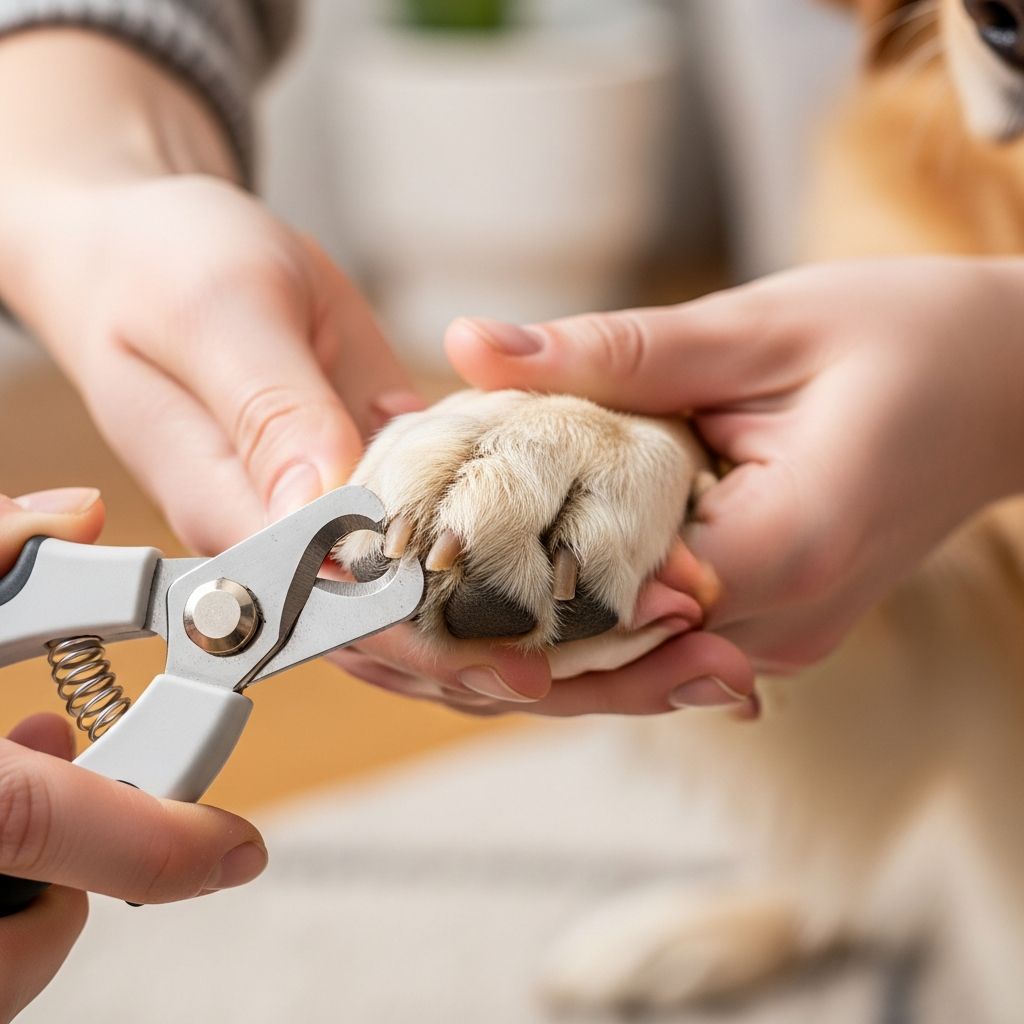
Regular nail trimming is essential for your dog’s comfort, mobility, and overall health. Overgrown nails can cause pain, alter gait, and lead to joint issues, yet many owners avoid it due to fear of injury or pet resistance. This guide provides a complete roadmap to confident, safe at-home trims, drawing from veterinary and grooming best practices.
Why Proper Nail Maintenance Matters
Dog nails grow continuously and need trimming every 3-4 weeks, though dogs on abrasive surfaces like pavement may require less frequent care as natural wear occurs. Long nails force unnatural weight distribution, increasing risks of torn nails, infections, or slipped dewclaws. Shortening them to just touch the ground—not stubs—preserves traction while preventing slippage.
- Improves walking comfort and prevents limping.
- Reduces injury risk during play or runs.
- Supports skeletal health by maintaining proper posture.
Selecting the Best Tools for the Job
Invest in quality equipment designed for canine nails; human clippers crush rather than cut cleanly.
| Tool Type | Pros | Cons | Best For |
|---|---|---|---|
| Scissor-style clippers | Precise view of cut; easy control | May dull over time | Beginners, small-medium dogs |
| Guillotine clippers | Quick cuts; adjustable blade | Harder to see quick | Large dogs, thick nails |
| Nail grinders (e.g., Dremel-style) | Smooth finish; gradual removal | Noisy; longer sessions | Anxious dogs, black nails |
Always have styptic powder, cornstarch, or flour ready to staunch bleeding from accidental quick cuts. Shine a light through dark nails to spot the quick’s shadow.
Understanding Nail Anatomy to Trim Safely
The nail consists of a hard outer shell and inner quick—a vessel-filled core causing pain and bleeding if nicked. Light nails show a pink quick; dark ones require tiny cuts revealing a gray-white center or black dot.
- Trim ahead of the quick by 2-3mm in clear nails.
- For mixed nails, use clear ones as a guide for opaque counterparts.
- Never cut below the quick; file edges for smoothness.
Dewclaws, higher on the leg, grow faster and snag easily—trim them shorter.
Step-by-Step Trimming Process
Follow this sequence for efficiency and safety.
- Prepare the space: Quiet area, non-slip mat, treats ready. Calm your dog with pets or play first.
- Position comfortably: Sit dog between legs or on side; gently lift one paw at a time toward you.
- Inspect each nail: Spread toes, note quick location. Start with easiest paws.
- Make initial cuts: Tiny snips (1mm) from tip, working inward and diagonally for rounded edges. Pause after 2-3 nails per paw.
- Check progress: Walk dog; nails should click lightly, not scrape floors.
- Smooth and finish: File or grind rough spots; reward lavishly.
For full sessions, aim under 10 minutes; repeat daily if needed.
Training Your Dog for Fearless Grooming
Desensitization prevents battles. Start young, but adults improve too.
- Touch paws daily, rewarding calm—progress to holding and tapping nails.
- Introduce tools: Show clipper, treat immediately; mimic snip sound.
- Pair with high-value rewards like chicken or cheese.
- Read body language: Yawning, lip-licking, paw pulls signal stress—stop and retry later.
Grinders suit clipper-phobic dogs; accustom gradually to noise.
Troubleshooting Common Challenges
| Issue | Solution |
|---|---|
| Quick cut (bleeding) | Press styptic/cornstarch firmly 2 minutes; benzocaine options numb pain. |
| Dark nails | Small cuts; light underneath; stop at gray oval or dot. |
| Wiggly/resistant dog | Short sessions (2 nails/day); muzzle if snapping; helper holds. |
| Curled/overgrown nails | Grind slowly; vet for embedded nails. |
If bleeding persists or infection signs appear (swelling, pus), consult a vet.
Frequency and Maintenance Schedule
Check weekly; trim when nails reach floor level during stance. Active dogs: monthly; house pets: biweekly. Puppies need weekly to shape growth. Track in a grooming log.
Alternatives: When to Go Pro
Home trims save money but aren’t always feasible. Vets/groomers use sedation if needed, ideal for aggressive cases or curved nails. Costs $10-30 per session; combine with checkups.
Pro Tip
Combine trims with baths or ear cleans for efficient routine care.
Frequently Asked Questions (FAQs)
How often should I trim my dog’s nails?
Every 3-4 weeks, or when they click on floors. Adjust for lifestyle.
What if I cut the quick?
Stay calm; apply styptic powder with pressure. It clots quickly; monitor for lameness.
Are grinders better than clippers?
Grinders prevent overcuts, suit fearful dogs, but take longer.
Can overgrown nails cause serious harm?
Yes—pain, infections, arthritis from poor gait.
How to trim a puppy’s nails?
Gently, often; use mini clippers and build positive habits early.
Advanced Techniques for Perfection
Once basic, angle cuts mimic natural wear: one straight tip snip, then bevel top/bottom. For show dogs, ultra-short but quick-safe lengths enhance stance. Use LED lights for precision in dark nails.
Incorporate massage: Rub pads post-trim to boost circulation and trust.
Health Conditions Impacting Nails
Thyroid issues slow growth; allergies cause brittleness. Brittle or splitting? Vet biotin supplements. Always rule out pain sources before forcing trims.
Word count: 1728 (excluding HTML tags).
References
- Pain Free Dog Nail Trimming: A Complete Guide — West Concord Animal Clinic. 2023. https://westconcordanimalclinic.net/dog-nail-trimming-a-complete-guide/
- The Nail Trimming Guide for Dogs who HATE IT! — YouTube (Shannon and Ned). 2022-10-15. https://www.youtube.com/watch?v=hQuM-HzCnAI
- How to Clip Dog Nails — Dr. Chuck Books. 2024. https://drchuckbooks.com/pet-information-sheets/how-to-clip-dog-nails
- Nailed It! 5 Tips for Stress-Free Dog Nail Trims — PetMD. 2025-02-20. https://www.petmd.com/dog/grooming/nailed-it-5-tips-stress-free-dog-nail-trims
- ASPCA Grooming 101 – Trimming Nails for Dogs — YouTube (ASPCA). 2023-05-10. https://www.youtube.com/watch?v=sccDR8n3yOY
Similar Articles






Read full bio of medha deb