

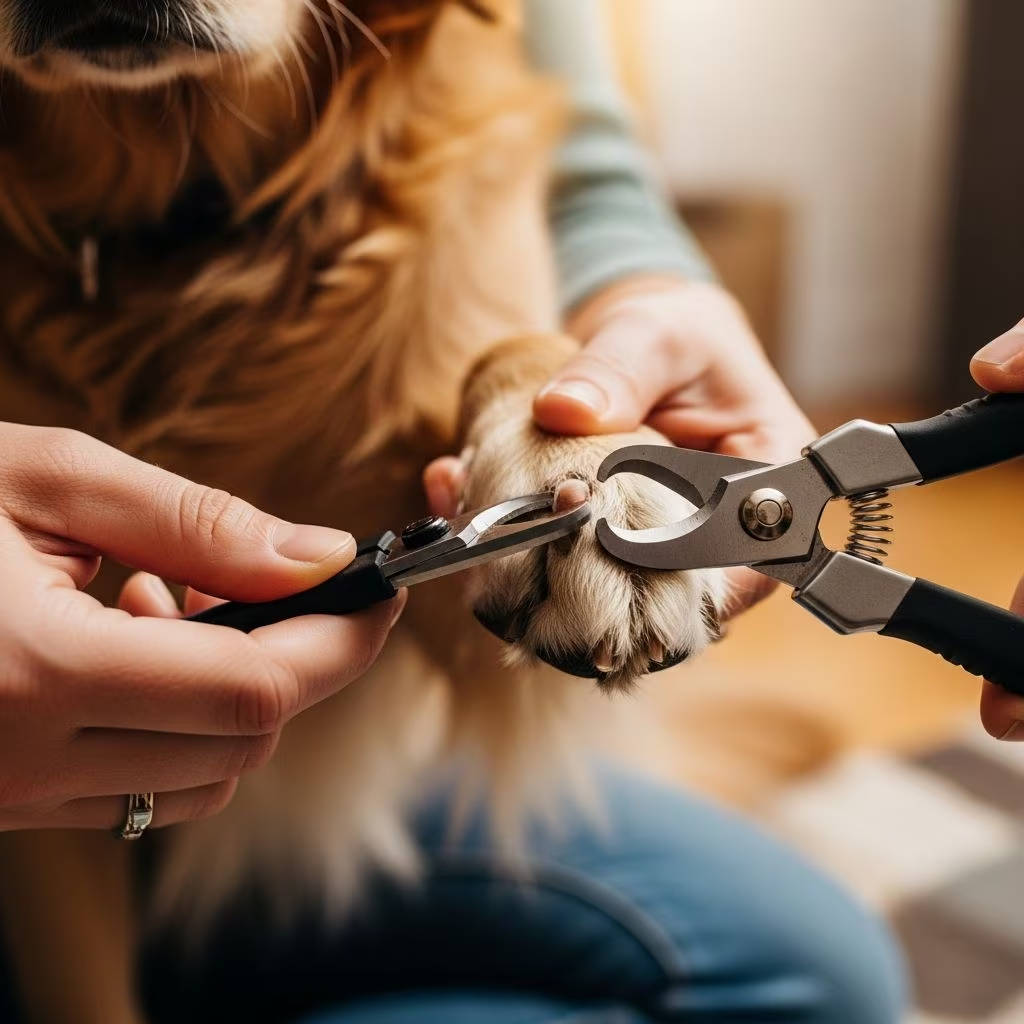
Regular nail maintenance is essential for your dog’s comfort, mobility, and overall health. Overgrown nails can cause pain, alter gait, and lead to joint issues, while proper trimming promotes confident movement and prevents injuries. This guide provides a complete roadmap to trimming your dog’s nails safely, drawing from veterinary and canine expert recommendations.
Why Nail Trimming Matters for Your Dog’s Well-Being
Dogs naturally wear down their nails through activity on varied surfaces, but indoor or soft-ground lifestyles often result in rapid overgrowth. Long nails force unnatural paw angles, stressing joints and potentially causing arthritis or torn nails during play. Short, neat nails allow natural padding contact, improving traction and reducing slip risks on floors.
- Health Benefits: Prevents nail splits, infections, and lameness from embedded debris.
- Behavioral Perks: Calm dogs during grooming sessions build trust and reduce anxiety around handling.
- Frequency Guide: Trim every 3-4 weeks, or when nails tap audibly on floors or curve toward pads.
Recognizing overgrowth early—curled tips touching pads or splayed toes—ensures timely intervention without professional costs.
Understanding Canine Nail Anatomy
A dog’s nail consists of a hard outer keratin shell encasing the quick, a vascular core with nerves and blood vessels. Light nails reveal a pink quick; dark ones hide it, demanding caution. Dewclaws, higher on the leg, grow independently and require separate attention to avoid painful curling.
| Nail Type | Quick Visibility | Trimming Challenge | Best Approach |
|---|---|---|---|
| Light/Translucent | Visible Pink | Low | Clip to quick edge |
| Dark/Opaque | Hidden | High | Small cuts or grinding |
| Dewclaw | Varies | Medium | Separate isolation |
Avoiding the quick prevents bleeding and yelps, fostering positive experiences.
Choosing the Right Tools for Safe Trimming
Select tools based on dog size, nail type, and your comfort. Quality matters—dull blades crush nails, causing pain.
- Scissor-Style Clippers: Precise for small to medium dogs; mimic human nail tools with curved blades for control.
- Guillotine Clippers: Fit nail in slot for blade slice; durable for frequent use but trickier for depth gauging.
- Rotary Grinders: File gradually; ideal for fearful dogs or black nails, though noisy.
Essentials include styptic powder (e.g., cornstarch alternative) for quick-cuts, treats for rewards, and bright lighting. Start with puppy-sized tools for breeds under 20 lbs.
Preparing Your Dog for a Stress-Free Trim
Desensitization transforms nail time from dread to delight. Begin weeks ahead, especially for puppies or anxious adults.
- Daily Paw Handling: Gently massage feet 5-10 minutes daily during calm moments, rewarding calm with treats.
- Introduce Tools Gradually:
- Session Setup: Choose quiet, elevated surfaces for stability; post-meal tiredness aids relaxation.
Day 1: Show clipper/grinder. Day 2: Touch paws with it off. Day 3: Activate sound near paws. Progress to mock clips by Day 5.
Positive reinforcement—high-value treats like cheese—pairs tools with joy, reducing resistance over 7-10 days.
Step-by-Step Guide to Clipping Dog Nails
Position dog calmly, ideally on a non-slip mat. Work one paw at a time.
- Secure Paw: Thumb on bottom pad, finger atop toe skin; push gently to extend nail, clearing fur.
- Assess Quick: For light nails, stop 2mm before pink; dark nails, trim tiny tips, checking hollow underside.
- Cut Straight: At 45-degree angle matching nail curve, 1-2mm per snip. Include dewclaws.
- Monitor Reactions: Pause if tensing; one paw max for first sessions.
After each paw, praise lavishly. Full trims take 10-15 minutes once accustomed.
Grinding Nails: A Gentler Alternative
Grinders suit noise-tolerant dogs or thick nails, removing material slowly.
- Hold grinder upward for control; grind 3-5 seconds per nail, bottom then tip.
- Pause for cooling; reward frequently to counter vibration.
- Avoid fur entanglement by parting long coats.
Combine clipping for length, grinding for shape—hybrid method minimizes sessions.
Handling Accidents and Complications
Cutting the quick causes brief bleeding and sting; stay composed.
- Stop Bleed: Press styptic powder firmly 30 seconds; natural clotting occurs in 3-5 minutes.
- Comfort Dog: Offer treats, end session positively.
- Prevent Recurrence: Vertical cuts, small increments for dark nails.
For overgrown or split nails, consult vets to avoid further damage.
Tailoring Techniques by Breed and Age
Puppies adapt quickly; seniors may need sedation discussions with vets. brachycephalic breeds like Bulldogs have upright nails demanding precision; sighthounds’ speedster nails are thin but quick-heavy.
- Puppies: Tip trims weekly from 8 weeks.
- Large Breeds: Heavy-duty clippers.
- Anxious Dogs: Grind over clip; two-person teams.
Building Long-Term Nail Care Routines
Integrate trims into monthly grooming: baths, brushing, ear checks. Track growth via photos; adjust for seasonal activity changes. Professional grooms every 2 months supplements home efforts for tough cases.
Active dogs on rough terrain need less frequent trims; apartment dwellers more. Aim for nails just touching ground when standing.
Frequently Asked Questions
How often should I trim my dog’s nails?
Every 3-6 weeks, depending on lifestyle; check weekly for clicks on floors.
What if my dog hates nail trimming?
Desensitize over weeks with treats and short sessions; consider vet help initially.
Can I use human clippers on dogs?
No—too weak; opt for pet-specific for clean cuts.
Is grinding better than clipping?
Grinding safer for black nails, less jarring for some; test preferences.
What causes bleeding during trims?
Hitting the quick; use powder and trim conservatively next time.
Pro Tips from Canine Experts
- Trim post-walk for dirt-free paws.
- Use flavored lick mats for distraction.
- Practice on fake nails first for confidence.
Consistent care yields pain-free, happy dogs with pristine paws.
References
- Trim Your Dog’s Nails Safely — American Kennel Club. 2023-05-15. https://www.akc.org/expert-advice/health/how-to-trim-dogs-nails-safely/
- How to Trim Dog Nails — PetMD. 2024-02-10. https://www.petmd.com/dog/general-health/how-to-trim-dog-nails
- How To Trim Dog Nails Safely — YouTube (Insider). 2022-08-20. https://www.youtube.com/watch?v=VnJafu_NMoQ



