

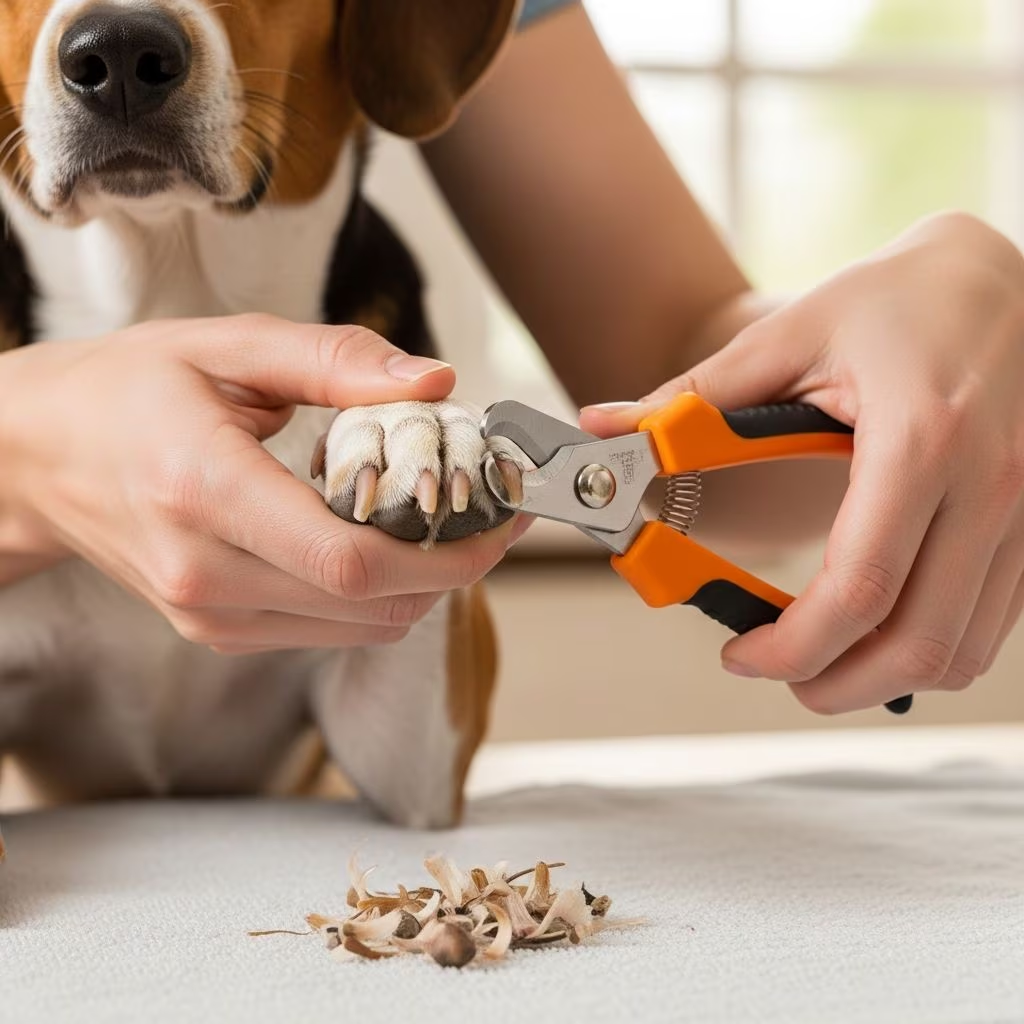
Proper nail maintenance is a cornerstone of canine wellness, directly impacting mobility and comfort. Overgrown nails can lead to discomfort, poor posture, and even joint issues over time. This guide equips pet owners with practical knowledge to handle nail trimming confidently, reducing reliance on professional services while fostering a positive grooming experience for both dog and owner.
Why Nail Trimming Matters for Your Dog’s Health
Long nails alter a dog’s natural gait, forcing weight shifts that strain joints and muscles. They also increase injury risk by snagging on surfaces. Regular trimming promotes balanced weight distribution and enhances traction, especially on slick floors. Active dogs on abrasive surfaces like concrete may need less frequent trims, but indoor pets often require attention every few weeks to prevent curling nails from piercing paw pads.
Assessing Your Dog’s Nail Needs
Observe your dog’s walk: clicking sounds on hard floors signal overgrowth. Visually check for nails extending past the paw pad or curving inward. Factors like breed, age, and lifestyle influence growth rates—giant breeds often have tougher nails, while puppies grow them faster. Schedule initial assessments monthly, adjusting based on wear patterns.
Selecting the Best Tools for the Job
Quality tools minimize stress and mishaps. Key options include:
- Guillotine clippers: Precise for small to medium nails, offering clean cuts with adjustable blades.
- Scissor-style clippers: Ideal for larger breeds, mimicking natural nail shape for smoother results.
- Nail grinders: Rotary devices that file down nails gradually, reducing quick-cutting risks and providing polished edges.
- LED clippers: Built-in lights illuminate the quick in dark nails for safer trimming.
Beginners should opt for grinders to avoid abrupt cuts. Always pair tools with styptic powder for quick bleed stops.14
Understanding the Nail Anatomy
A dog’s nail consists of a hard outer shell and an inner quick—a vascular core sensitive to pain. Light nails reveal a pink quick; dark ones require caution. The quick recedes with consistent trimming, shortening nails over time. Dewclaws, higher on the leg, often escape notice and grow faster, needing separate attention.1
| Nail Type | Quick Visibility | Trimming Tip |
|---|---|---|
| Light/Transparent | Clearly pink | Stop 2mm before pink area |
| Dark/Opaque | Invisible | Trim in thin slices; watch for gray oval or dot |
| Dewclaw | Varies | Grind or clip shorter due to less padding |
Building Trust: Desensitization Techniques
Start sessions weeks before trimming. Gently massage paws daily, rewarding calm behavior with high-value treats. Introduce tool sounds gradually—let the clipper snap near treats or run the grinder briefly. Sessions under 5 minutes prevent overwhelm. Pair with play to associate handling with fun, turning anxious dogs into willing participants.3
Step-by-Step Trimming Process
- Prepare the space: Choose a quiet, well-lit area with non-slip surfaces. Have treats, towels, and styptic ready.
- Position comfortably: Sit dog between legs or on side; support paw firmly without squeezing.
- Expose the nail: Gently pull fur back; hold paw from below.
- Trim or grind: For clippers, cut at a 45-degree angle mimicking ground contact. Grind in 3-5 second bursts, rotating nail for even filing. Clip first if nails are very long to reduce vibration.3
- Check progress: Ideal length touches but doesn’t pass the pad’s bottom. Smooth edges to prevent snags.
- Reward generously: End with praise and a jackpot treat.
Full trims take 10-20 minutes; split multi-paw sessions if needed.
Finding the Quick Safely
In dark nails, trim tiny amounts, inspecting the cut end for a gray center or moisture—signs you’re nearing the quick. Pause frequently; nails dry out when close. Proper angles encourage quick recession: trim underside first to expose more safe length. Over time, this technique yields shorter nails without pain.5
Grinding vs. Clipping: Pros and Cons
| Method | Advantages | Disadvantages | Best For |
|---|---|---|---|
| Clipping | Quick; inexpensive tools | Risk of splitting; harder on thick nails | Experienced owners, light nails |
| Grinding | Precise control; smooth finish | Noisier; dust; battery-dependent | Nervous dogs, dark nails, beginners |
Hybrid approach—clip then grind—combines speed and safety.3
How Often Should You Trim?
Aim for every 3-4 weeks, but listen to your dog. High-activity pups on rough terrain may suffice every 6 weeks; sedentary ones need biweekly checks. Puppies require weekly tips to shape growth. Monitor post-trim: if clicking returns in 10 days, increase frequency.4
Handling Accidents and Complications
Cut the quick? Stay calm—apply styptic powder, cornstarch, or wet cotton then cornstarch for clotting. Pressure for 1-2 minutes usually suffices. Flour works in pinches. If bleeding exceeds 5 minutes or infection signs appear (swelling, pus), see a vet. Prevent repeats by over-preparing tools and lighting.
Tips for Challenging Dogs
- Anxious pups: Use pheromone sprays or calming music.
- Wiggly adults: Enlist a helper or use restraint harnesses safely.
- Senior dogs: Grind slowly to accommodate arthritis.
- Multi-dog homes: Trim one at a time to avoid pack stress.
Professional groomers offer fear-free sessions for tough cases.
Advanced Techniques for Optimal Results
Employ the “cone peel” method: shave thin layers toward the quick like paring an onion. Angle cuts parallel to the floor for natural wear. Post-trim, file burrs and apply paw balm for moisture. Track progress in a grooming journal to refine schedules.
Common Mistakes to Avoid
Steer clear of human clippers—they crush rather than cut. Never force a full trim on resistant dogs; build tolerance first. Ignore dewclaws at peril—they embed easily. Rushing leads to quick hits; patience pays off.
FAQs
Can I use human nail clippers on my dog?
No—dog nails are thicker and curved, risking cracks or pain. Invest in pet-specific tools.1
What if my dog’s nails bleed after trimming?
Apply styptic or cornstarch firmly; it clots in seconds. Monitor for infection.2
How do I trim black nails without hitting the quick?
Trim incrementally; stop at a dark dot or gray oval in the cross-section.2
Is nail grinding better than clipping?
It offers more control for beginners but takes longer. Try both to suit your dog.3
My dog hates nail trims—what now?
Desensitize with daily paw handling and rewards. Consider vet sedation for severe cases.
Long-Term Paw Health Benefits
Consistent care not only prevents pain but boosts overall vitality. Short nails improve balance, reducing slip injuries and supporting active lifestyles. Pair with pad checks and moisturizing for comprehensive foot care. Owners report calmer dogs and stronger bonds through routine grooming successes.
References
- Essential Guidelines for Safely Maintaining Your Dog’s Paw Health — The Rich Groomer. Accessed 2026. https://therichgroomer.com/nail-trimming-essential-guidelines-for-safely-maintaining-your-dogs-paw-health/
- ASPCA Grooming 101 – Trimming Nails for Dogs — YouTube (ASPCA). Accessed 2026. https://www.youtube.com/watch?v=sccDR8n3yOY
- Ultimate Guide: How to Safely Grind Your Dog’s Nails Like a Pro — Grooming By Rudy (YouTube). 2025-11-07. https://www.youtube.com/watch?v=xyMKjrRobaA
- Pain Free Dog Nail Trimming: A Complete Guide — West Concord Animal Clinic. Accessed 2026. https://westconcordanimalclinic.net/dog-nail-trimming-a-complete-guide/
- The Art of Nail Trimming – Part 1 — Shorthairs and Shotguns. Accessed 2026. https://www.shorthairsandshotguns.com/post/the-art-of-nail-trimming-part-1



