Dog Muzzle Measurements: Complete Guide For Perfect Fit
Learn precise techniques to measure your dog for a muzzle, ensuring safety, comfort, and perfect fit every time.
Mastering Dog Muzzle Measurements
Selecting the right muzzle starts with precise measurements. A properly fitted muzzle promotes your dog’s comfort while serving its purpose, whether for training, vet visits, or safety. This guide details essential steps, tools, and considerations to achieve an ideal fit.
Why Accurate Measurements Matter for Muzzles
Muzzles prevent biting during stressful situations but must allow panting, drinking, and barking. Ill-fitting ones cause discomfort, restrict breathing, or slip off. Key benefits of correct sizing include enhanced safety for all involved and reduced anxiety for your pet. Measurements account for individual head shapes, ensuring the device stays secure without rubbing.
Essential Tools for Measuring Your Dog
Gather these items before starting:
- Soft, flexible measuring tape (avoid rigid rulers)
- Treats or toys to keep your dog calm
- Helper for holding the dog steady
- Notebook and pen for recording numbers
- Camera for photos of measurements (useful for custom orders)
Work in a quiet space where your dog feels relaxed. Measure multiple times for consistency, noting any variations.
Core Measurements for Muzzle Sizing
Focus on these primary dimensions, derived from expert gear providers. Each targets specific muzzle parts for a balanced fit.
Snout Circumference (Muzzle Girth)
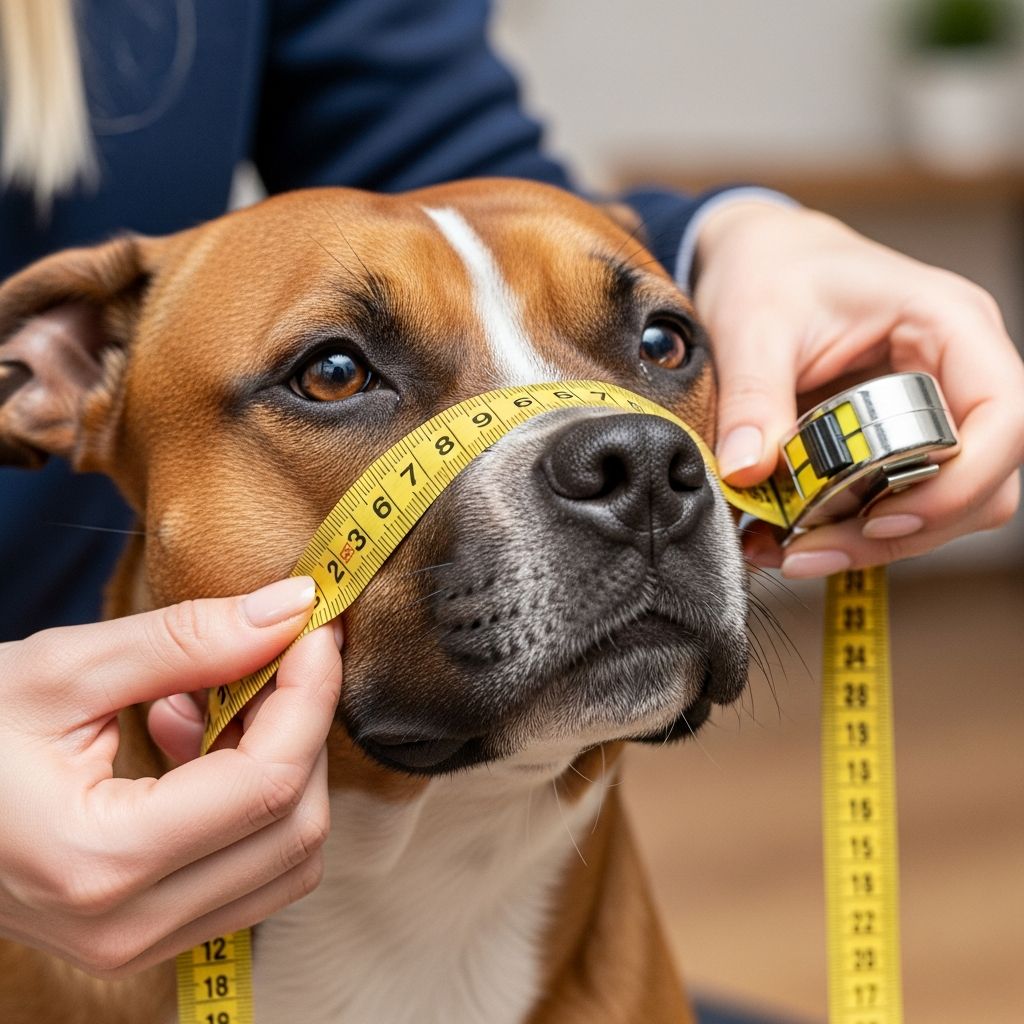
Measure around the snout about 0.5 inches below the eyes, with the mouth closed. Pull the tape snug but not tight. The muzzle should exceed this by at least 1 inch to permit mouth opening and panting.
Snout Length (Nose to Eye Base)
From the nose tip to 0.5-1 inch below the eyes, along the snout’s top. Keep the tape straight, not curved. Muzzles matching or slightly exceeding this length avoid jamming the nose or blocking vision.
Cheek or Head Width
Across the widest cheek points, often at forehead center. For dogs with broad heads, this prevents side slippage. Take straight across, tape against the head.
Mouth Height: Open and Closed
Closed: From nose ridge to jaw bottom. Open: Vertical height at widest mouth gape, tape straight. These ensure room for jaw movement without excess play.
Side Head Length
From nose tip, along face side under the ear, to ear base. Critical for strap positioning and overall coverage.
Neck and Additional Checks
Circumference where a collar sits, plus nose-to-neck distance (0.5 inches from throat start). These secure the rear straps comfortably.
Step-by-Step Measuring Process
Follow this sequence for reliability:
- Calm your dog with treats.
- Start with snout circumference, mouth closed.
- Measure length along the top.
- Check widths and heights next.
- Record side and neck figures last.
- Take photos straight-on and profiles.
- Repeat 2-3 times, average if needed.
Common errors: Curving tape, loose holds, or measuring over fur without compressing. Always verify straightness.
Breed-Specific Sizing Insights
Different breeds require tailored approaches due to head variations.
| Breed Group | Typical Challenges | Measurement Tips |
|---|---|---|
| Short-Nosed (Pugs, Bulldogs) | Wide cheeks, short length | Emphasize cheek width and open mouth height |
| Hounds (Beagles, Bloodhounds) | Long snouts, loose skin | Snout length priority; account for lip overhang |
| Working Breeds (German Shepherds, Malinois) | Broad heads, strong jaws | Full head width and neck girth essential |
| Toy Breeds (Chihuahuas, Yorkies) | Delicate features | Minimal padding; precise small measurements |
For sighthounds like Greyhounds, prioritize length to avoid vision block. Brachycephalic dogs need extra panting space.
Interpreting Measurements for Muzzle Selection
Compare figures to manufacturer charts. If between sizes, opt larger for comfort. Examples:
- Snout circ. 8-10 inches: Medium for many breeds
- Length 4-5 inches: Suits labs, shepherds
Custom muzzles use all metrics plus photos for perfection.
Signs of a Poorly Fitted Muzzle
Watch for:
- Rubbing sores or chafing
- Unable to pant/drink fully
- Slipping during pulls
- Eye/nose pressure
- Excessive pawing
A good fit leaves 0.25-0.5 inches nose clearance, allows 1-2 fingers under straps, and stays put when tested gently.
Training Your Dog to Accept a Muzzle
Introduce gradually:
- Pair with high-value treats.
- Let sniff and touch initially.
- Progress to short wears (seconds to minutes).
- Use during fun activities.
- Practice weekly for desensitization.
Positive reinforcement builds association with positivity, reducing resistance.
Types of Muzzles and Fitting Variations
Basket Muzzles: Plastic/metal baskets allow full mouth use; ideal for panting.
Nylon/Soft Muzzles: Lightweight for short-term; less durable for strong pullers.
Custom Leather: Molded fits; best for working dogs.
Adjust straps post-fitting: snug but finger-insertable.
Frequently Asked Questions (FAQs)
How often should I re-measure my dog?
Puppies grow fast—remeasure monthly until 1 year. Adults: yearly or weight changes.
Can I use a human tape measure?
Yes, soft fabric type. Avoid metal for safety.
What if measurements vary?
Average repeats; consult seller with photos.
Is muzzle training cruel?
No, when fitted right and conditioned properly—enhances safety.
Which breeds absolutely need muzzles?
Resource guarders, fear-biters, or vet-reactive dogs benefit most.
Maintenance and Longevity Tips
Clean weekly with mild soap. Inspect for wear monthly. Store dry, away from heat. Replace if straps fray or basket dents.
Proper measurement empowers confident purchases. Practice yields expertise, safeguarding your dog’s welfare.
References
- Muzzle Measurement Guide — Big Snoof Dog Gear. 2023. https://www.bigsnoofdoggear.com/measurements
- Muzzle Sizing Guide — Redline K-9. 2024. https://redlinek9.com/pages/muzzle-sizing-guide
- How to Measure for Dog Muzzle Sizing — Ray Allen Manufacturing. 2023-01-15. https://www.rayallen.com/blog/how-to-measure-for-dog-muzzle-sizing/
- Dean & Tyler Muzzle Measurement — DT Dog Collars. 2022. https://www.dtdogcollars.com/How-to-Measure-Muzzles-s/380.htm
- How to Size Your Dog’s Muzzle — Leerburg. 2023. https://leerburg.com/muzzlefit.htm
Similar Articles




Read full bio of Sneha Tete