

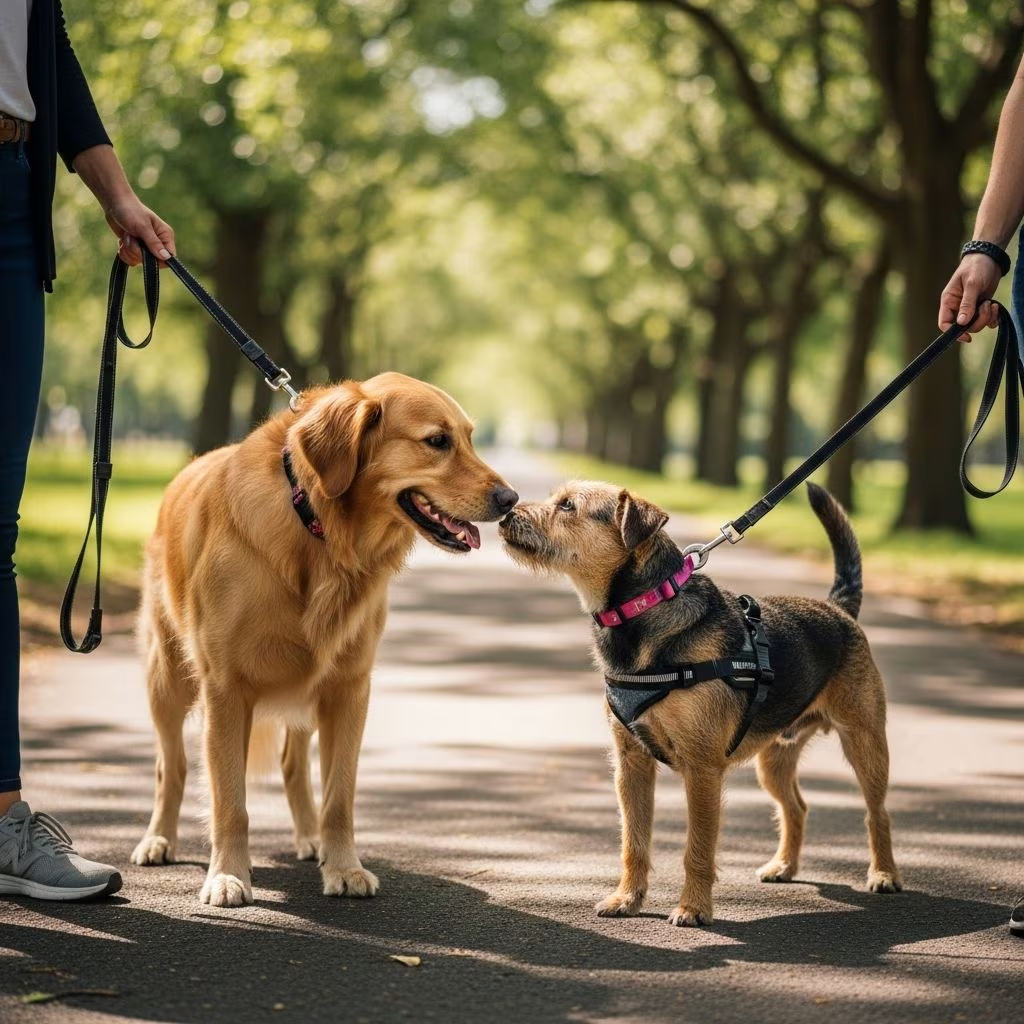
Bringing two dogs together requires careful planning to prevent conflicts and build positive relationships. Proper techniques prioritize safety, gradual exposure, and positive reinforcement, leading to successful integrations in homes or social settings.
Why Careful Introductions Matter
Dogs communicate through body language and scent, and rushed meetings can trigger fear, aggression, or overstimulation. Structured approaches allow dogs to assess each other at their own pace, reducing stress and promoting trust. Research from veterinary behaviorists emphasizes neutral environments and handler control to minimize risks.
Common pitfalls include direct face-to-face confrontations, which dogs perceive as threatening, or tight leashes that signal tension. Instead, focus on parallel activities that mimic natural canine greetings.
Essential Preparation Before the Meeting
Success starts with readiness. Ensure both dogs are healthy, vaccinated, and exercised to lower energy levels. A pre-meeting walk or play session burns off excess excitement, promoting calmer demeanors.
Gearing Up for Safety
- Use martingale collars or harnesses with standard 6-foot leashes—no retractables, as they can fail under tension.
- Stock high-value treats like small pieces of chicken or cheese for rewarding calm behavior.
- Have two handlers, one per dog, to maintain control and focus.
Health and History Checks
Consult vets for clearance and gather histories on temperament, past interactions, and spay/neuter status. Intact dogs may need extra caution due to hormonal influences.
Decoding Canine Body Language
Understanding signals is crucial for timing and intervention. Relaxed dogs show loose postures, soft gazes, and wagging tails at mid-height. Warning signs demand immediate separation.
| Positive Signals | Warning Signals |
|---|---|
| Relaxed ears and mouth | Hard stare, stiff body |
| Play bow invitation | Teeth baring, lip curl |
| Soft blinking eyes | Whale eye (whites showing) |
| Natural tail wag | Tail tucked or rigid high |
Handlers must stay attuned; a single overlooked cue can escalate tensions.
Step-by-Step Introduction Protocol
Follow this sequence for optimal results, adapting based on dog feedback.
- Neutral Territory Start: Choose a park or quiet street. Walk dogs parallel, 30+ feet apart, in the same direction. Reward glances away from each other.
- Gradual Closure: Over sessions, reduce distance as calmness persists. Use treats and praise for disengagement.
- Curved Approach: Allow arcing paths for sniffing, keeping leashes loose. Limit initial contact to seconds before resuming walks.
- Side-by-Side Walking: Once comfortable, walk together briefly, interrupting fixation with commands or treats.
Multiple short sessions (10-15 minutes) over days trump one long meeting. If arousal spikes, increase distance immediately.
Bringing Dogs Home After Outdoor Success
Transition indoors cautiously. Use baby gates for visual access without contact. Feed separately, rotate crate time, and supervise all interactions.
- Provide individual safe spaces with beds and toys.
- Practice “place” commands for retreats.
- Monitor resource guarding around food or items.
Special Scenarios: Puppies, Same-Sex Pairs, and More
Adult Dog and Puppy
Puppies are resilient but overwhelming. Let the adult set boundaries while intervening gently. Use pattern games—walks interspersed with sits—to manage energy.
Same-Sex Introductions
Males or females may compete; extra patience and neutering help. Watch for dominance displays like mounting.
Dogs with Known Issues
Reactive dogs need professional guidance. Tools like positive interrupters (happy cue to redirect) prevent escalations.
Training Commands for Seamless Integration
Basic obedience underpins safety. Teach sit, stay, leave-it, and recall before meetings.
- Leave-It: Essential for dropped items or fixation.
- Positive Interrupter: A cheerful word paired with treats to break tension.
- Go to Place: Directs to a mat for breaks.
Desensitize to triggers like sudden noises via simulations.
Fostering Long-Term Harmony
Post-introduction, maintain structure. Equal attention prevents jealousy. Regular group walks reinforce bonds. Enroll in classes for socialization.
Monitor play: Balanced chase and pauses are healthy; one-sided pursuit signals imbalance. Intervene with interruptions, not punishment.
Frequently Asked Questions
How long does it take for dogs to get along?
Weeks to months; rush nothing. Slow builds last.
What if my dog shows aggression?
Separate immediately, consult a certified trainer. Never force.
Can I introduce off-leash?
No, until proven safe over time with leashed success.
What about introducing to cats?
Slow exposures behind gates, rewarding calm passes. Never unsupervised initially.
Signs of successful bonding?
Relaxed co-sleeping, shared play, mutual grooming.
Common Mistakes and How to Avoid Them
Avoid these for smoother processes:
- Rushing to direct greetings—opt for curves.
- Tight leashes—conveys handler stress.
- Ignoring fatigue—exercise first.
- No backup plan—always have separation tools.
- Unequal rules—consistency across handlers.
Patience yields confident, friendly dogs.
References
- How To Introduce Dogs to Each Other — PetMD. 2023. https://www.petmd.com/dog/behavior/how-to-introduce-dogs
- Dogs And Kids | A Proven Framework On How To Properly Introduce — Canine Revolution Dog Training. 2024. https://www.caninerevolutiondogtraining.com/blog/dogs-and-kids/
- The Art of Introducing Dogs: Quick Tips Edition — Dogspring Training. 2023. https://www.dogspringtraining.com/introducing-dogs-quick-tips-edition/
- Introducing a New Dog — Positively.com (Victoria Stilwell). 2022. https://positively.com/dog-training/article/socialization-welcoming-a-new-dog-to-your-family
- The Dog and Puppy Introduction Survival Guide — Wise Mind Canine. 2024. https://wisemindcanine.com/blog/the-dog-and-puppy-introduction-survival-guide/
- Introducing Dogs at Home: The Complete Guide — San Diego Humane Society. 2025. https://sdhumane.org/resources/introducing-dogs-at-home-complete/



