

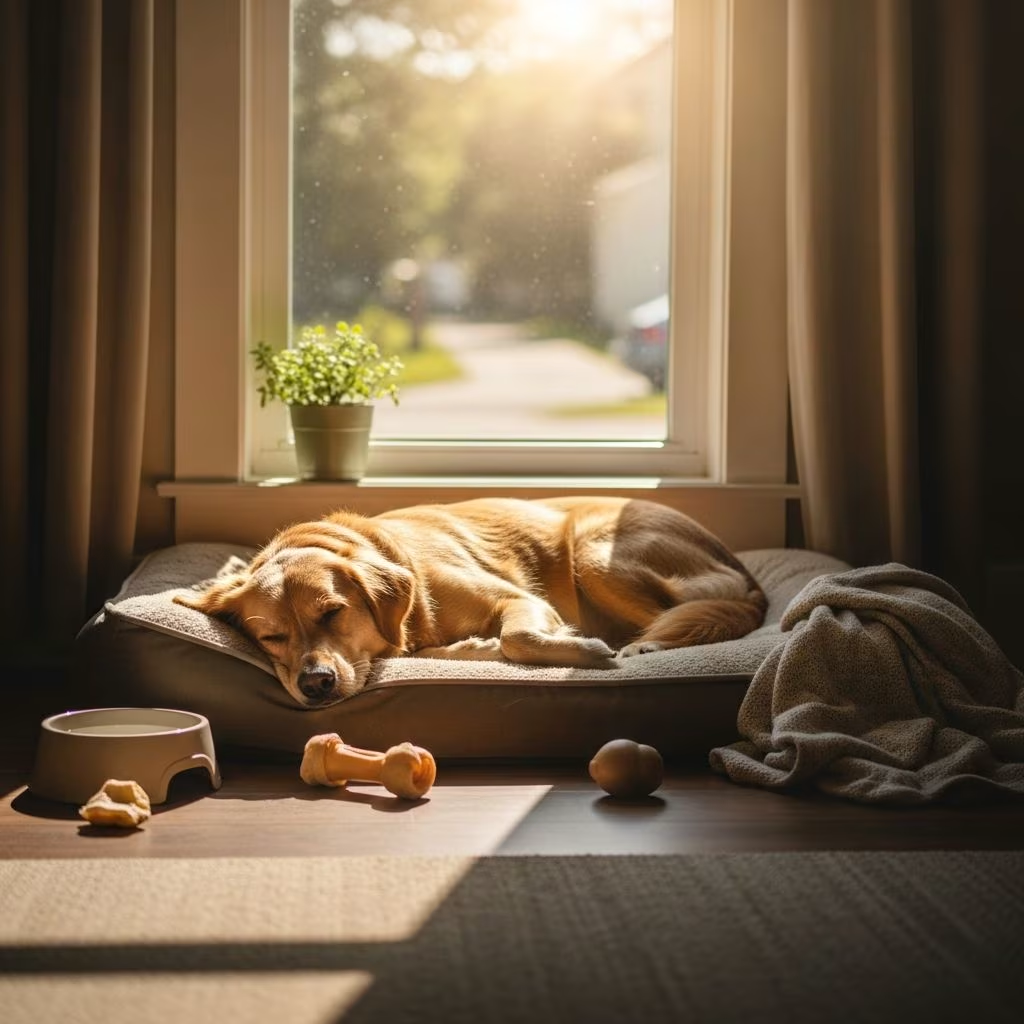
Teaching dogs to feel secure when left alone transforms daily life for both pets and owners. Many dogs struggle with solitude, showing distress that ranges from mild whining to destructive outbursts. This guide outlines practical, evidence-based approaches to foster canine self-assurance, drawing on gradual exposure and reward systems to rewrite anxious responses into calm routines.
Recognizing Signs of Distress in Dogs Left Alone
Dogs communicate unease through clear behaviors when owners depart. Common indicators include excessive vocalization like barking or howling, pacing or destructive chewing on furniture and doors, and elimination accidents indoors despite being house-trained. Less obvious signs involve drooling, panting, or attempts to escape confinement. These reactions stem from fear of abandonment rather than spite, often intensifying shortly after departure.
- Vocal distress: Persistent barking or whining that echoes through the neighborhood.
- Physical destruction: Scratching at exits or shredding household items.
- Bodily signals: Excessive salivation, trembling, or inappropriate urination.
- Escape efforts: Pawing at windows or doors to follow the owner.
Monitoring via cameras reveals these patterns precisely. Set up a device to observe from afar, noting the exact moment panic sets in—this threshold guides training pace.
Root Causes Behind Canine Solitude Fears
Several factors contribute to dogs’ aversion to alone time. Puppies separated from litters too early miss critical socialization, heightening vulnerability. Major life shifts, such as relocations or new family members, disrupt security. Rescue dogs carry past traumas, associating solitude with neglect. Overdependence from constant companionship, especially in remote work eras, exacerbates issues. Breeds like Labrador Retrievers or German Shepherds, bred for human partnership, prove particularly prone.
| Common Triggers | Examples | Impact on Dog |
|---|---|---|
| Early Weaning | Puppy leaves mother before 8 weeks | Weakens emotional foundation |
| Life Changes | Move, new baby, owner schedule shift | Sudden insecurity spikes |
| Over-Bonding | 24/7 togetherness | Creates total reliance |
| Breed Traits | Velcro dogs like Vizslas | Intensified attachment needs |
Understanding these origins allows targeted interventions, preventing escalation into chronic anxiety.
Building Foundational Skills Before Solo Practice
Strong basics prepare dogs for independence training. Master obedience commands like sit, stay, down, and come using positive reinforcement—treats and praise only. These instill structure and boost confidence, redirecting mental energy from worry to tasks. Crate training introduces safe confinement positively: associate it with meals and toys, never punishment.
- Practice short stays behind closed doors within sight.
- Incorporate puzzle toys to promote self-entertainment.
- Use scatter feeding—tossing kibble around—to encourage foraging over fixation on owners.
Environmental tweaks matter: secure the space to avert escapes, provide chew toys, and maintain consistent routines signaling normalcy.
Step-by-Step Desensitization Protocol
Systematic desensitization lies at the heart of effective training, proven to reduce separation issues significantly. Begin below the anxiety threshold, rewarding calm incrementally lengthening absences. Counterconditioning pairs solitude with positivity, like treats, reshaping emotional links.
- Threshold Assessment: Use video monitoring to clock panic onset, say 30 seconds.
- Micro-Absences: Step to the door, open slightly, return immediately with praise if relaxed.
- Extend Slightly: Turn knob without exiting, or peek outside briefly, varying durations randomly.
- Incorporate Cues: Perform departure rituals—shoes on, keys jingle—sans leaving, dispensing rewards.
- Room Separation: Move to adjacent rooms, building to full departures under one minute.
- Scale Up: Progress to 5, 15, then 30 minutes, always under threshold.
Sessions last 30 minutes max daily, pausing if stress appears. Consistency across household members accelerates gains.
Innovative Tools Enhancing Training Success
Technology amplifies efforts. Treat-dispensing devices like Treat and Train release rewards at set intervals, linking alone time to joy. Program for 3-5 second gaps during separations, fostering self-soothing. Camera apps with two-way audio allow remote check-ins and verbal cues, maintaining connection without presence.
- Auto-Treaters: Remote-activated for precise timing.
- Interactive Cameras: Monitor and toss treats via app.
- Puzzle Feeders: Mental stimulation during downtime.
Combine with obedience for comprehensive management, as structured play builds resilience.
Addressing Pre-Departure Anxiety Triggers
Dogs read cues like grabbing coats or leashes as doom signals. Desensitize by repeating these randomly throughout the day without exiting, pairing with treats. Vary routines—leave via different doors, alter times—to break predictable patterns. Calm greetings upon return reinforce nonchalance: ignore until settled.
Practice structured play: short, focused sessions ending on high notes, teaching good things conclude positively.
Advanced Techniques for Stubborn Cases
For severe anxiety, layer methods. Obedience immersion via professional boarding programs introduces commands amid distractions, enhancing confidence. Medication from vets may aid initial desensitization, easing learning. Track progress with logs, adjusting based on video reviews.
Peer-reviewed studies affirm desensitization’s efficacy, even with owner-led implementation, underscoring its robustness.
Daily Routine Integration for Lasting Results
Weave training into life: morning walks for exercise, midday puzzles, evening wind-downs. Exercise depletes anxious energy; tired dogs adapt faster. Maintain predictability while varying departures to normalize them.
Frequently Asked Questions
How long until my dog adapts to alone time?
Progress varies: mild cases improve in weeks, severe ones months. Patience and daily practice yield results.
Is crate training essential?
Not always, but it provides security for many, preventing mishaps during buildup.
What if my dog regresses?
Drop to successful prior levels, rebuild gradually. Consistency prevents setbacks.
Can puppies learn this?
Yes, start young post-house-training, preventing issues from forming.
Should I use punishment?
No— it heightens fear. Rewards build trust exclusively.
Potential Pitfalls and Fixes
- Overdoing Sessions: Stick under threshold to avoid sensitization.
- Inconsistent Household: All participate equally.
- Ignoring Exercise: Mandate daily activity.
Avoid comforting distressed dogs upon return, as it rewards anxiety. Instead, upbeat reunions post-calm.
References
- Canine separation anxiety: strategies for treatment and management — PMC (National Library of Medicine). 2020-09-01. https://pmc.ncbi.nlm.nih.gov/articles/PMC7521022/
- Separation Anxiety — ASPCA. 2023-01-15. https://www.aspca.org/pet-care/dog-care/common-dog-behavior-issues/separation-anxiety
- Training For Separation Anxiety — Canine Academy Columbus. 2024-05-10. https://canineacademycolumbus.com/services/training-for-separation-anxiety/
- Dog Separation Anxiety Training — Bark Busters. 2023-11-20. https://www.barkbusters.com/dog-behaviors/separation-anxiety
- Managing Canine Separation Anxiety with the Treat and Train Method — Canine Evolutions. 2024-02-14. https://www.canineevolutions.com/news/Treatandtrain
- Here’s the Only Real Way to Train a Dog with Separation Anxiety — Rover. 2023-08-05. https://www.rover.com/blog/heres-real-way-train-dog-separation-anxiety/



