

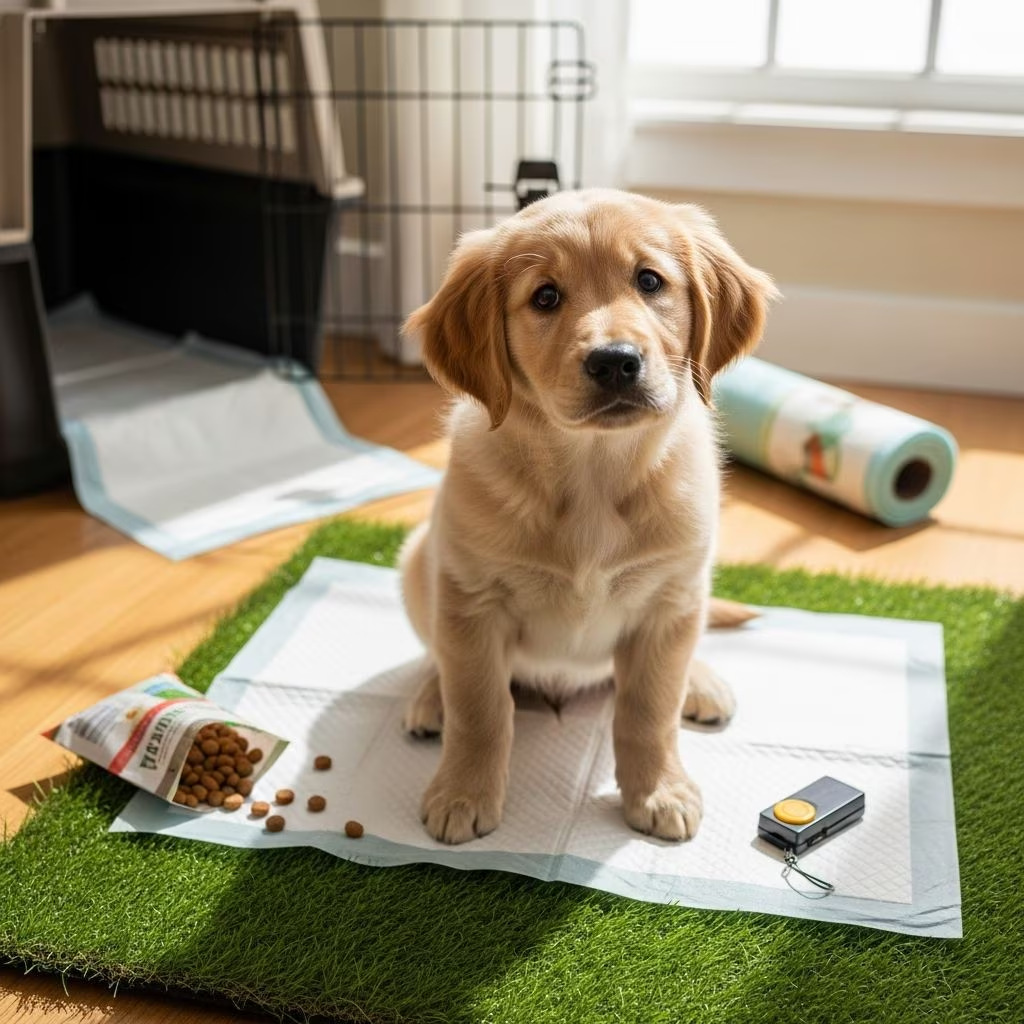
Housetraining a dog, whether a playful puppy or a stubborn adult, requires patience, structure, and positive methods. By leveraging a dog’s natural instincts to keep their space clean, owners can establish reliable habits that lead to a mess-free home. This guide draws on expert-recommended approaches emphasizing consistency, supervision, and rewards to ensure long-term success.
Understanding the Foundations of Housetraining
Dogs instinctively avoid soiling their sleeping areas, a trait rooted in their wild ancestors’ den-keeping behavior. This natural aversion forms the cornerstone of effective housetraining. For puppies, who sleep up to 18 hours daily, a properly sized crate mimics this den, encouraging them to hold until taken outside. Adult dogs, even rescues with prior habits, respond similarly when given clear boundaries and incentives.
Key principles include immediate positive reinforcement, preventing accidents through confinement, and recognizing elimination signals like sniffing or circling. Unlike punishment, which confuses dogs, rewards build associations between outdoor relief and joy, speeding learning.
- Consistency: Same times, spots, and commands daily.
- Supervision: Constant watch to interrupt accidents.
- Rewards: High-value treats given instantly after success.
Selecting and Introducing the Right Crate
A crate is an invaluable tool, providing safety and preventing indoor messes. Choose one allowing the dog to stand, turn, and lie down comfortably—too large invites soiling in corners, too small causes discomfort. Adjustable partitions suit growing puppies.
Introduce gradually to foster positive feelings:
- Place treats inside; let the dog enter voluntarily.
- Feed meals in the crate with the door open.
- Close the door briefly during calm activities, extending time gradually.
- Use a “crate” command paired with treats for voluntary entry.
Puppies may protest initially, but most adapt within days, viewing it as a cozy retreat. Enhance with toys like stuffed Kongs or food puzzles to keep downtime engaging.
| Crate Size Guidelines | Small Breeds (e.g., Chihuahua) | Medium Breeds (e.g., Beagle) | Large Breeds (e.g., Labrador) |
|---|---|---|---|
| Length | 18-22 inches | 24-30 inches | 36-42 inches |
| Height | 12-16 inches | 18-22 inches | 24-28 inches |
| Features | Single door | Double door | Partitioned |
Building a Predictable Daily Schedule
Routines align with a dog’s biology, predicting potty needs based on meals, sleep, and play. Puppies under 3 months may need outings every 2 hours, scaling to 4-6 hours as they age. Adults on fixed feeds often go predictably post-meal.
Sample Puppy Schedule (8 weeks old):
- 6:00 AM: Wake, immediate outdoor potty.
- 7:00 AM: Breakfast, potty 15-30 min after.
- 9:00 AM, 12:00 PM, 3:00 PM: Potty breaks with play.
- 6:00 PM: Dinner, potty after.
- 9:00 PM: Final outing, then crate for night.
Regulate water: Free access daytime, remove 2 hours before bed. Exercise stimulates bowels, so active sessions precede breaks. Track patterns in a journal—accidents often cluster at routine gaps, like shower times.
Positive Reinforcement: The Power of Rewards
High-value treats like meat or cheese, delivered within 2 seconds of elimination, cement the behavior. Praise lavishly outdoors, postponing play or return inside until done—this prevents rushing or indoor relief.
Avoid low-motivation rewards; scale portions if needed to balance nutrition. For reluctant outdoor dogs, permit yard sniffing post-potty. Consistency across family members prevents confusion.
“Dogs learn through immediate feedback. Praise every time you see them pee or poop—do this forever.”
Supervision and Preventing Indoor Accidents
Constant oversight is non-negotiable. Leash the dog to you indoors, gate off tempting areas, or crate when unsupervised. Signs of need—pacing, whining, circling—demand instant outdoor trips.
If caught mid-act, interrupt calmly (e.g., clap), then rush outside. Never punish; clean with enzymatic cleaners to erase scents attracting repeats. For adults, restrict to kitchen or utility rooms initially.
Special Strategies for Adult and Rescue Dogs
Adults may have ingrained habits from prior homes. Treat as puppies: heavy rewards for outdoor success, confinement otherwise. Recent adoptees benefit from crate downtime for adjustment. Patterns emerge quickly—nighttime pees signal crating during showers.
Bell training aids: Hang bells by the door; shape touching with treats, progressing to ringing before outings. Medical checks rule out UTIs or incontinence mimicking training issues.
Overcoming Common Hurdles
Reluctance to Go Outside: Use enticing spots, longer leashes for exploration, or indoor pads temporarily (transition outdoors later).
Frequent Accidents: Tighten schedule, increase supervision, check diet consistency. Submissive wetting needs gentle handling, no scolding.
Crate Whining: Ignore if not full; cover for den-like feel, tire with exercise first.
Long-Term Maintenance and Troubleshooting
Once reliable (7-14 days accident-free), gradually expand freedom. Maintain schedules lifelong, especially with visitors or changes. Reinforce randomly to prevent regression.
Regressions from illness or stress? Restart basics without frustration—progress resumes swiftly.
Frequently Asked Questions (FAQs)
What if my dog hates the crate?
Build positive associations slowly with meals and treats. Most accept within days.
How long until fully housetrained?
Puppies: 4-6 months. Adults: 2-4 weeks with diligence.
Can I use puppy pads permanently?
Best for apartments temporarily; transition to outdoors to avoid mixed signals.
What treats work best?
High-value like cheese or meat, tiny pieces for quick delivery.
Is punishment ever okay?
No—it erodes trust. Focus on prevention and praise.
With dedication, any dog can master housetraining, fostering a harmonious home. Patience yields a confident, clean companion.
References
- Housetraining an Adult Dog (Potty Training for the “Stubborn” Dog) — Dog Spring Training. Accessed 2026. https://www.dogspringtraining.com/tips/housetraining-adult-dog/
- House Training Puppies or Older Rescue Dogs — Leerburg. Accessed 2026. https://leerburg.com/housebrk.htm
- House Training for Puppies and Dogs — VCA Animal Hospitals. Accessed 2026. https://vcahospitals.com/know-your-pet/house-training-your-puppy
- How to Potty Train a Puppy or Dog: 6 Main Steps — Woofz. Accessed 2026. https://www.woofz.com/blog/how-to-potty-train-a-puppy/
- How to Potty Train a Puppy: A Comprehensive Guide for Success — American Kennel Club (AKC). Accessed 2026. https://www.akc.org/expert-advice/training/how-to-potty-train-a-puppy/



