

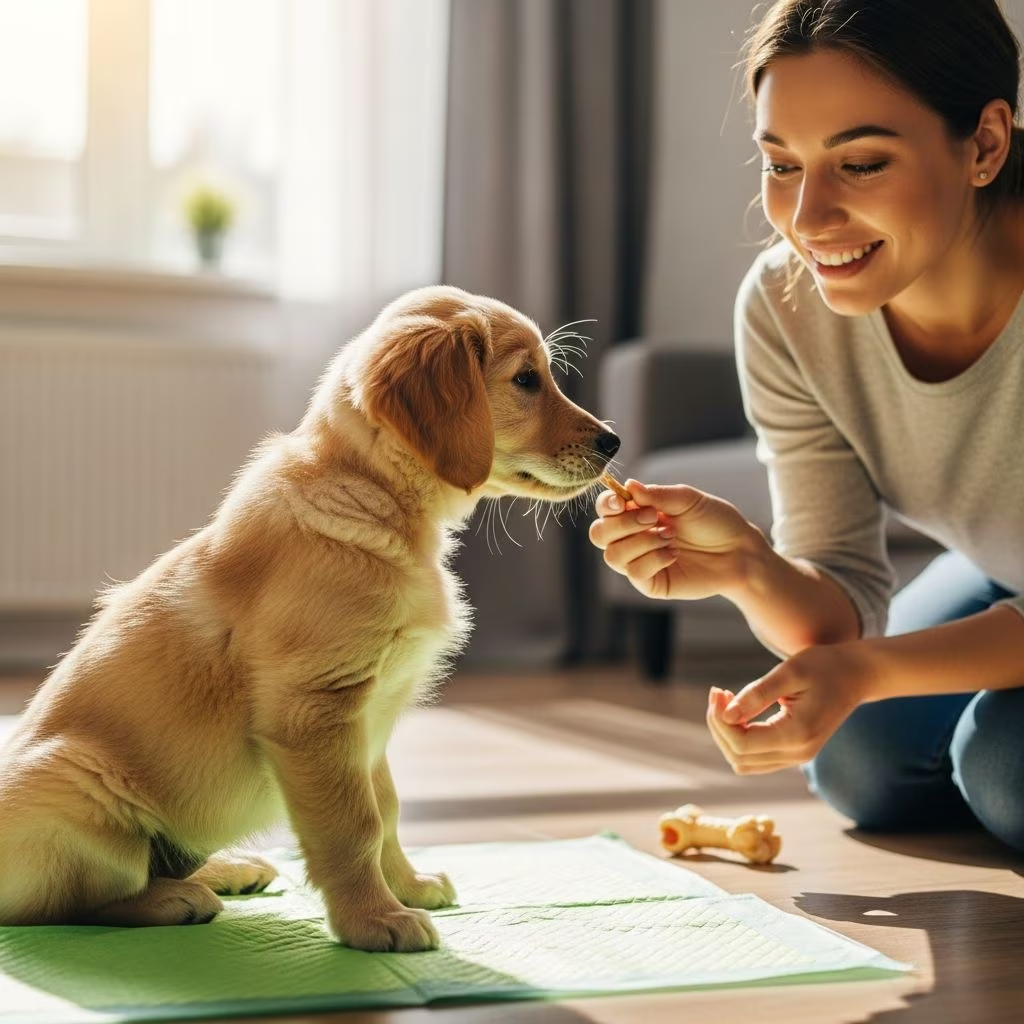
Housetraining your dog, whether a playful puppy or a rescue adult, transforms your home into a harmonious space. Success hinges on understanding canine instincts, implementing consistent routines, and using positive reinforcement. This guide outlines practical steps to eliminate accidents and build reliable habits.
Understanding Why Dogs Need Housetraining
Dogs naturally avoid soiling their living areas due to an innate denning instinct. Puppies under six months have limited bladder control, typically holding it for one hour per month of age. Adult dogs may regress due to stress, medical issues, or inconsistent past training. Recognizing these factors prevents frustration and sets the foundation for effective methods.
Common challenges include excitement urination, submissive peeing, or marking in unneutered males. Always rule out health problems like urinary tract infections with a vet visit before starting.
Essential Tools for Effective Housetraining
Gather these items to streamline the process:
- Crate: Sized just large enough for standing, lying, and turning—use dividers for growing pups.
- Leash and collar: For supervised outdoor trips.
- High-value treats: Small pieces of meat, cheese, or commercial treats reserved only for potty success.
- Enzyme cleaner: Removes odors from accidents to prevent repeat spots.
- Bell or journal: Optional for signaling needs or tracking patterns.
These tools leverage a dog’s desire for cleanliness and immediate rewards.
Building a Rock-Solid Daily Routine
Consistency is key. Feed on a schedule—two to three meals daily at fixed times—to predict elimination needs. Puppies need outings every 1-2 hours, after meals, naps, play, and first thing in the morning/last at night. Adults follow similar patterns, adjusted for longer holds.
| Age Group | Outing Frequency | Key Times |
|---|---|---|
| Puppy (8-12 weeks) | Every 1-2 hours | After eating, drinking, playing, sleeping |
| Puppy (3-6 months) | Every 2-4 hours | Same plus bedtime and wake-up |
| Adult Dog | 3-5 times daily | Meals, exercise, before confinement |
Walk to the same outdoor spot on leash. Say a cue like “go potty” as they eliminate, then reward instantly with praise and treats. Return indoors only after success to associate outside with relief.
The Power of Crate Training in Housetraining
A crate mimics a den, discouraging elimination inside when properly sized. Introduce it positively: toss treats inside with a “crate” command, praise calm behavior, and start with short sessions in the same room. Gradually increase time and distance.
For naps and overnight, crate after a final potty break. Puppies sleep 15-18 hours daily, naturally holding needs. Keep the area enriching with stuffed Kongs or toys to prevent boredom whining.
Dogs learn through immediate feedback—reward within seconds of pottying outdoors.
Supervision and Confinement Strategies
Freedom equals accidents. Use the “rule of three”: crate, tether to you via leash, or gate to an easy-clean room like the kitchen when unsupervised. Watch for pre-potty signs: sniffing, circling, whining, or pacing. Interrupt mid-act gently—no yelling—and rush outside.
Attach a bell to the door or collar to hear restlessness. Track incidents in a journal to spot patterns, like post-shower pees, and preempt with crating.
Rewards: The Secret to Lasting Habits
Positive reinforcement trumps punishment. High-value rewards—think chicken bits—delivered within 1-2 seconds cement the behavior. Praise lavishly: “Good potty!” Let them explore post-relief if they enjoy outdoors, avoiding rushed returns that encourage indoor holding.
Never reward coming inside alone; pair it with elimination. Reduce meal kibble if treats add calories, ensuring nutritional balance.
Feeding and Exercise: Boosting Control
Controlled feeding predicts potty times—free-feeding leads to unpredictable needs. Exercise stimulates bowels: walks, fetch, or training sessions before outings increase success rates. A tired dog is less likely to have restless accidents.
- Morning: Feed, potty, exercise.
- Midday: Short play, potty.
- Evening: Dinner, walk, final potty.
Handling Setbacks and Adult Dogs
Accidents happen—clean thoroughly with enzyme products. For adults or rescues, restrict access to high-risk areas like bedrooms. Rebuild habits as with puppies, adding patience for past traumas. If marking persists, consult a vet for spay/neuter or behaviorist referral.
Puppy pads work temporarily for apartments or harsh winters but transition outdoors to avoid confusion. Avoid paper training long-term, as it teaches indoor elimination.
Common Mistakes to Avoid
Steer clear of these pitfalls:
- Punishing accidents—creates fear and hiding.
- Inconsistent schedules—confuses the dog.
- Oversized crates—invites corner soiling.
- Delayed rewards—misses the learning window.
- Ignoring signals—leads to sneaky spots.
Advanced Tips for Busy Owners
Use food-dispensing toys in crates for mental stimulation. Teach bell-ringing: guide paw to ring before outings. For multi-dog homes, train individually to avoid competition.
Progress markers: No accidents for two weeks means expanding freedom gradually. Maintain praise forever—reinforcement solidifies habits.
FAQ: Housetraining Quick Answers
How long does housetraining take? Puppies: 4-6 months; adults: 1-4 weeks with consistency.
What if my dog hates the crate? Make it positive with treats and short sessions; never force.
Can I use puppy pads forever? Best as a bridge; train outdoors to prevent indoor preferences.
Why does my adult dog regress? Check for UTIs, stress, or routine changes; restart basics.
Is night training different? Last potty at bedtime; crate overnight; first outing upon waking.
Long-Term Maintenance for a Perfectly Trained Dog
Once reliable, phase out constant supervision but keep routines. Annual vet checks ensure no medical setbacks. Celebrate milestones—your bond strengthens with every clean day.
Housetraining builds trust and structure, paving the way for advanced obedience. Patience yields a joyful, accident-free companion.
References
- Housetraining an Adult Dog (Potty Training for the “Stubborn” Dog) — Dog Spring Training. 2023. https://www.dogspringtraining.com/tips/housetraining-adult-dog/
- House Training Puppies or Older Rescue Dogs — Leerburg. 2022. https://leerburg.com/housebrk.htm
- How to Potty Train a Puppy or Dog — Best Friends Animal Society. 2024. https://bestfriends.org/pet-care-resources/how-potty-train-puppy-or-dog
- How to Potty Train Puppies: A Comprehensive Guide for Success — American Kennel Club (AKC). 2025-03-15. https://www.akc.org/expert-advice/training/how-to-potty-train-a-puppy/
- Re-Housetraining Your Adult Dog — PAWS. 2023. https://www.paws.org/resources/re-housetraining-your-adult-dog/



