

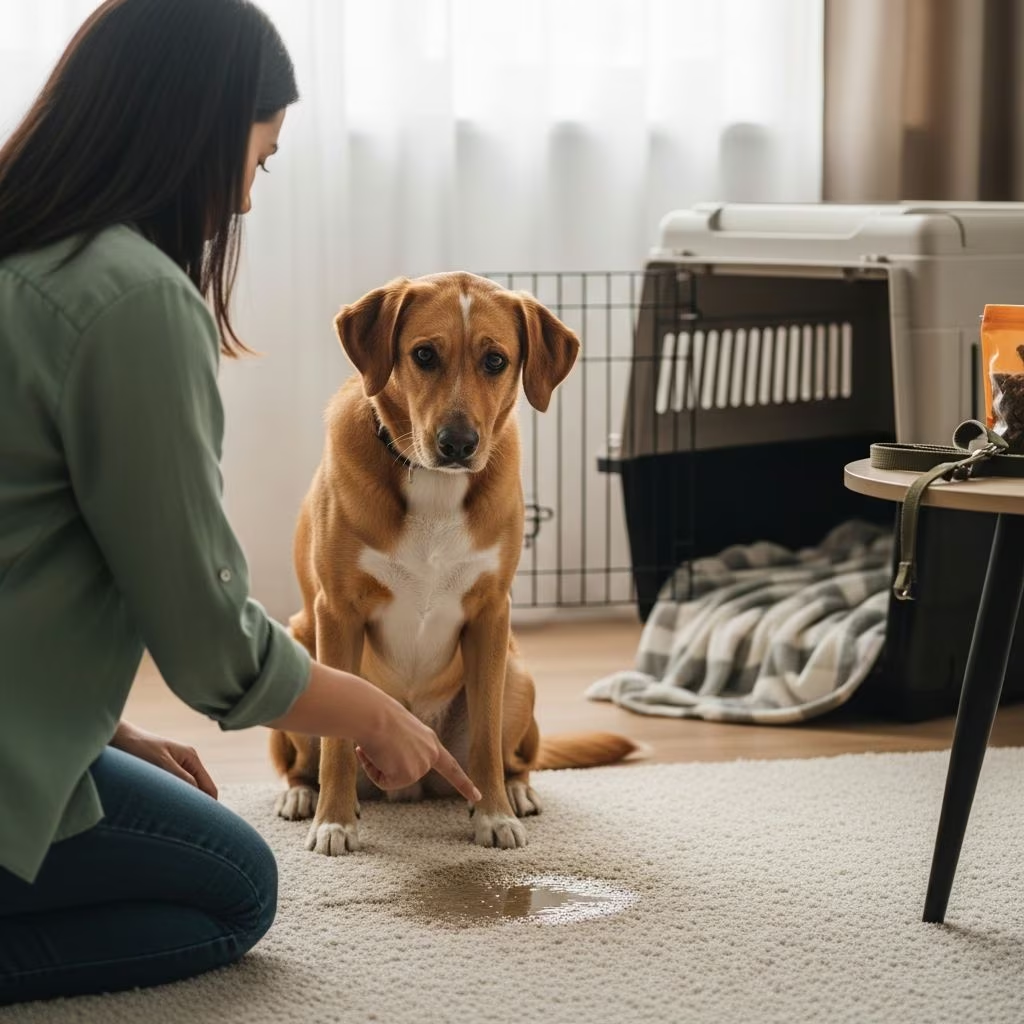
Indoor accidents are a common hurdle in dog ownership, affecting puppies, adults, and seniors alike. Addressing them requires a blend of veterinary insight, consistent routines, and proactive management to guide your dog toward reliable outdoor elimination.
Why Dogs Have Indoor Accidents: Key Causes
Dogs eliminate indoors due to medical issues, incomplete training, environmental factors, or age-related changes. Sudden accidents in a previously trained dog often signal health problems like urinary tract infections or gastrointestinal disorders, necessitating immediate veterinary evaluation. Puppies lack full bladder control, while seniors may experience incontinence from cognitive decline or mobility limitations. Incomplete supervision allows opportunities for mistakes, and stress or past punishment can exacerbate reluctance to eliminate appropriately.
First Step: Rule Out Medical Problems
Before training adjustments, schedule a veterinary exam. Health conditions such as infections, diabetes, or kidney issues can cause frequent urination or loss of control. For intact males, marking behavior linked to hormones may resolve post-neutering. Senior dogs benefit from diagnostics to identify age-related causes like weakened sphincter muscles. Early intervention prevents chronic issues and clarifies if behavioral training is needed.
Building a Reliable Daily Schedule
A structured routine is foundational for success. Feed meals at set times to predict elimination needs, and take dogs out frequently—every 30 minutes for young puppies, scaling to hourly for older ones. Include potty breaks after eating, drinking, playing, napping, and upon waking. Consistency helps dogs associate specific times and places with relief, reducing indoor incidents.
- Establish fixed mealtimes: 2-3 per day for puppies, avoiding free feeding.
- Potty after every meal: Wait 10-15 minutes post-eating.
- Nighttime routine: Last outing before bed, first thing in morning.
- Track patterns: Note times of past accidents to preempt them.
Supervision and Confinement Strategies
Constant oversight prevents accidents. Tether your dog to you with a leash, use baby gates to limit areas, or crate when unsupervised. Crates leverage dogs’ instinct to avoid soiling sleeping spaces, but size matters—allow only enough room to stand, turn, and lie down. Overly large crates enable separate ‘bathroom’ zones, undermining training.
For busy households, combine methods: crate during absences, supervise during active hours. This proactive prevention outperforms post-accident punishment, fostering faster learning.
Responding Effectively to Caught-in-the-Act Moments
If you catch your dog mid-accident, interrupt calmly without scolding—harsh reactions create fear and hidden elimination. Clap hands gently, say “Outside!”, and rush them to the outdoor spot. Praise effusively upon completion outside to reinforce the location. Never rub noses in messes; it confuses and stalls progress.
Cleaning Up Messes the Right Way
Thorough cleanup eliminates odors that attract repeat offenses. Blot liquids with paper towels, then use enzymatic cleaners to break down proteins in urine and feces—regular soaps leave residues. For carpets, absorb maximally before applying cleaner, allowing full drying. Vinyl floors simplify the process with soap and water followed by enzymes.
Put the dog away during cleanup to avoid re-marking. Consistent hygiene supports training by removing scent cues.
Tailoring Approaches for Puppies
Puppies demand intensive management. Start house training day one: select a consistent outdoor spot, lead there every 30 minutes, and use a cue like “go potty”. Schedule includes naps to preempt full bladders. Reward immediately with treats and praise for outdoor success. Avoid free roam; crate or gate to visible areas. Patience yields results in weeks with diligence.
Strategies for Adult Dogs with Relapses
Adults reverting to accidents may need a training reset. Revert to puppy protocols: frequent outs, supervision, crating. Check for stressors like routine changes or new pets. If prior crate abuse exists, professional behaviorists can desensitize. Neutering aids marking cessation. Persistence mirrors puppy methods for adult retraining.
Supporting Senior Dogs Through Changes
Aging brings challenges like incontinence or mobility issues. Veterinarian rule-outs are crucial; frequent accidents (2-3 times monthly) warrant checks. Adapt with more walks, dog walkers, or daycare. Indoor aids like pee pads, diapers, or grass patches suit limited mobility, but prioritize hygiene and outdoor preference when possible. Experiment to match needs, ensuring dignity and comfort.
| Life Stage | Frequency of Outs | Key Tools | Common Challenges |
|---|---|---|---|
| Puppy (under 6 months) | Every 30-60 min | Crate, tether, schedule | Bladder immaturity |
| Adult | 3-5 times daily | Gates, supervision | Marking, stress |
| Senior (7+ years) | Hourly or more | Walkers, pads, diapers | Incontinence, mobility |
Overcoming Common Training Obstacles
Dogs playing instead of eliminating outdoors? Leash them (6 ft), remove distractions, ignore until business is done, then reward. Nothing happens on outings? Wait 10 minutes, return inside leashed, retry soon. Crate soiling suggests wrong size or medical issues—adjust and vet check. Hidden elimination? Enhance privacy outdoors with cover.
- Sniffing but no go: Increase hydration or wait longer.
- Refusal to crate: Gradual familiarization with positives.
- Post-punishment fear: Use long lines in secluded spots.
Enhancing Success with Positive Reinforcement
Rewards cement habits. High-value treats or play immediately after outdoor elimination build strong associations. Schedules plus rewards minimize stress, accelerating learning. Avoid punishment; focus on prevention and positivity for confident, reliable dogs.
FAQs: House Training Essentials
How often should I take my puppy out? Every 30 minutes initially, adjusting by age and signals.
What if my dog soils the crate? Check size, vet health, seek pro help if history of confinement.
Are pee pads a good long-term solution? Useful for seniors or constraints, but transition to outdoors ideally.
Can I punish for accidents? No—interrupt and redirect; punishment hinders progress.
How long until fully trained? Puppies: 4-6 months with consistency; adults faster if healthy.
Long-Term Maintenance for a Spotless Home
Sustained success demands vigilance. Annual vet checks catch emerging issues; adapt schedules to life changes. Exercise and mental stimulation reduce stress-induced accidents. Enlist family in routines for uniformity. With these steps, indoor messes become history, strengthening your bond.
References
- Housetraining Puppies & Dogs — American Humane Society. Accessed 2026. https://www.americanhumane.org/public-education/housetraining-puppies-dogs/
- What to Do When Your Senior Dog Forgets Their House Training — American Kennel Club (AKC). Accessed 2026. https://www.akc.org/expert-advice/health/senior-dog-house-training/
- All the Worst Puppy Problems: Housetraining Hang-Ups — IAABC Foundation Journal. Accessed 2026. https://journal.iaabcfoundation.org/housetraining-hang-ups/
- How To Respond To Your Pup’s Accident — All Things Pups. Accessed 2026. https://allthingspups.com/respondtopupsaccident/
- Tips on Housetraining Your Dog — Winnebago County Animal Services. Accessed 2026. https://winnebagoanimals.org/housetraining-your-dog/
- Housetraining survival guide — Animal Humane Society. Accessed 2026. https://www.animalhumanesociety.org/resource/housetraining-survival-guide



