

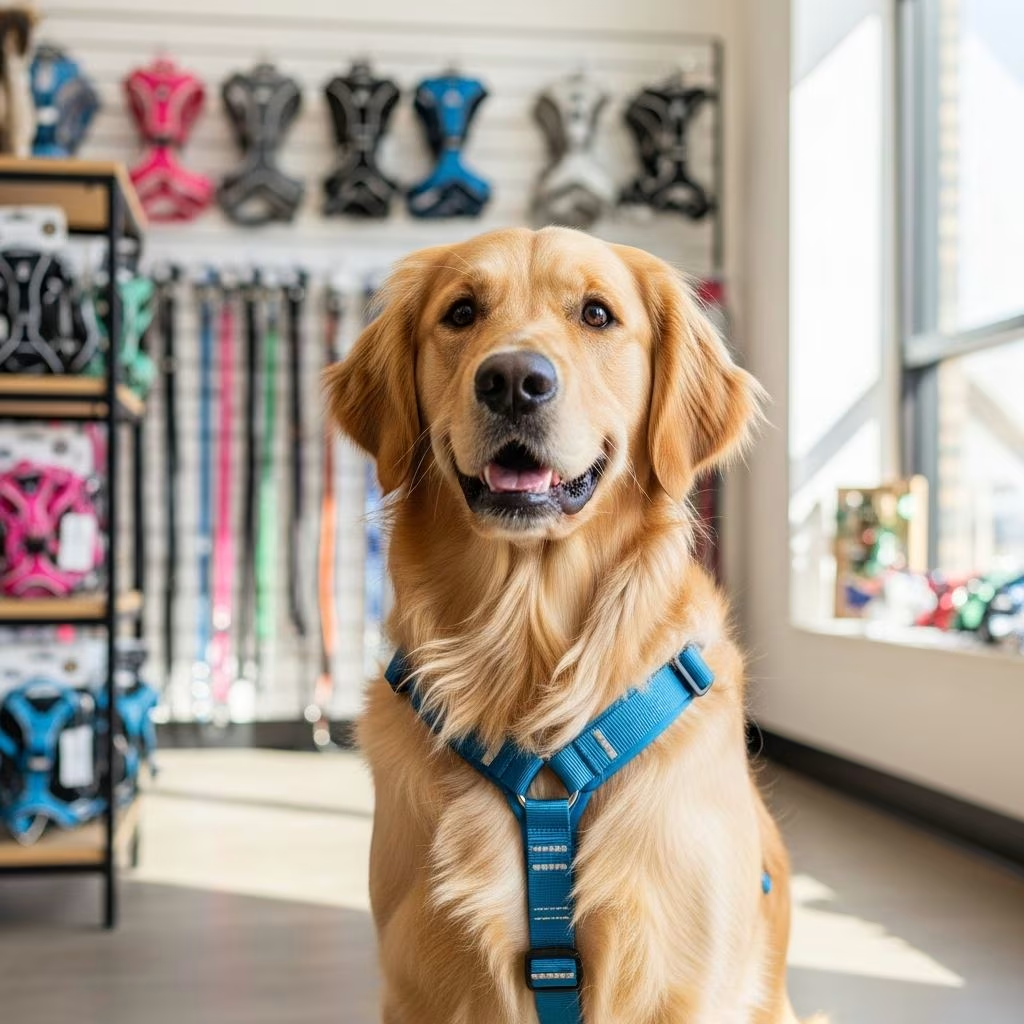
Selecting and correctly applying a dog harness transforms everyday walks into safe, enjoyable outings for both you and your pet. Unlike collars, harnesses distribute pressure across the chest and body, minimizing neck strain and offering superior control, especially for pullers or brachycephalic breeds.
Why Harnesses Outshine Collars for Modern Dog Owners
Harnesses provide essential benefits by reducing tracheal pressure, which is critical during pulls or sudden stops. They promote better posture and joint health, particularly for active dogs or those with respiratory issues. Studies from veterinary associations emphasize that improper collar use contributes to up to 20% of soft tissue injuries in dogs, making harnesses a preventive choice.
For puppies, harnesses prevent embedded growth issues where tight gear cuts into skin, leading to infections. Always remove harnesses at home to avoid entanglement risks in unsupervised settings.
Decoding Harness Types for Every Lifestyle
Dog harnesses vary by design, each suited to specific needs. Understanding these helps match gear to your dog’s size, breed, and activities.
- Step-In Harnesses: Ideal for small dogs or seniors; dog steps into loops, then you buckle behind legs. Simple for frequent use.
- Overhead Harnesses: Slip over the head with adjustable chest straps. Y-shaped models preserve shoulder mobility, preventing strain.
- Front-Clip Harnesses: Redirect pulling by attaching leash to chest ring. Best for training, but pair with fixed-length leashes to avoid tangles.
- Back-Clip Harnesses: Traditional style with top D-ring; comfortable for casual strolls and no-pull discouragement.
- Lift-and-Assist Harnesses: Feature handles for supporting mobility-impaired dogs. Not for extended wear to prevent chafing.
- Escape-Proof Harnesses: Multi-strap designs with extra adjustments secure wiggly escape artists.
| Type | Best For | Pros | Cons |
|---|---|---|---|
| Step-In | Small breeds, quick application | Easy on/off, secure fit | May rub if not padded |
| Front-Clip | Leash pullers, training | Steers dog naturally | Not for retractable leashes |
| Back-Clip | Casual walks | Simple, versatile | Less pull control |
| Lift Harnesses | Seniors, injured dogs | Easy lifting | Short-term use only |
Selecting the Perfect Harness: Sizing and Features
Start with accurate measurements using a soft tape: girth around the ribcage (widest part behind front legs), neck circumference, and body length from neck base to tail. Compare to manufacturer charts, prioritizing adjustable models.
Key features include: padded straps for comfort, quick-release buckles for safety, multiple D-rings for versatility, and breathable, durable fabrics like nylon or mesh. For puppies, choose scalable sizes monitored weekly. Opt for Y-neck designs to avoid shoulder restriction. Durability testing to EU/UK standards ensures strength against pulls.
Step-by-Step: Fitting Your Dog’s Harness Perfectly
A proper fit allows two fingers between straps and body—snug but breathable. Too tight causes chafing or breathing issues; too loose risks escape.
- Prepare: Loosen all straps. Have treats ready for positive association.
- Position Dog: Stand or sit calmly; for overhead, tilt head gently.
- Place Harness: Slide over head or step paws in. Align chest strap behind front legs.
- Buckle Up: Secure clips firmly. Adjust neck and girth straps evenly.
- Test Fit: Tug gently; no sliding or bunching. Check under armpits—no rubbing.
- Leash Test: Attach and walk indoors. Monitor for pawing or resistance.
For escape-proof models, double-check torso and leg straps. Puppies may need frequent tweaks as they grow rapidly.
Safety Protocols: When and How to Use Harnesses
Supervise always; remove indoors to prevent strangulation from furniture snags. In cars, attach to seatbelts via harness—not collars—for crash protection. Small dogs benefit from booster seats.
Avoid buckle collars for pullers; they lack quick-release and strain necks. For hikes, pick padded, rugged options.
Troubleshooting Common Harness Issues
Problems arise from fit errors or wear. Here’s how to fix them:
- Rubbing/Chafing: Readjust for two-finger gap; apply pet-safe balm.
- Slipping Off: Tighten girth; upgrade to escape-proof.
- Pulling Back: Switch to front-clip; train with stops.
- Resistance: Gradual desensitization with treats; ensure comfort.
- Fur Loss: Inspect for irritants; clean and rotate gear.
Maintaining Your Harness for Longevity
Inspect pre-use for frays, loose stitching, or dirt buildup. Hand-wash with mild soap; air-dry away from sun. Store flat to retain shape. Replace every 6-12 months or after heavy use.
Harness Tips for Special Cases
Puppies and Fast Growers
Measure bi-weekly; use only during outings to avoid embedding. Scalable harnesses prevent waste.
Brachycephalic Breeds
Choose wide, padded chest plates to ease breathing.
Senior or Injured Dogs
Lift harnesses support without strain; consult vets for technique.
FAQs: Your Dog Harness Questions Answered
What if my dog hates the harness?
Introduce slowly with high-value treats, pairing with fun activities. Start with short wears.
How often should I check the fit?
Weekly for puppies, monthly for adults, or after weight changes.
Can harnesses be used for car rides?
Yes, with crash-tested models and seatbelt clips.
What’s the two-finger rule?
Slide two fingers under straps for ideal snugness without restriction.
Are harnesses better than collars?
For most dogs yes, especially pullers; reduces injury risk.
Mastering harness use enhances safety and bonding. Regular checks ensure comfort across life’s adventures.
References
- Properly Choose & Put On a Dog Harness — Healing Paws Petcare. 2023. https://healingpawspetcare.com/properly-choose-put-on-a-dog-harness/
- The Importance of Choosing a Comfortable and Safe Dog Harness — WyldCub. 2024. https://www.wyldcub.com/blogs/the-wyld-woof-tips-for-dog-parents/the-importance-of-choosing-a-comfortable-and-safe-dog-and-puppy-harness-and-collar
- The Essential Guide to Dog Harnesses — Care Animal Clinic. 2025. https://www.careanimalclinic.com/blog/the-essential-guide-to-dog-harnesses-ensuring-proper-fit-and-functionality
- Understanding Different Types of Dog Harnesses and Their Uses — Pet Care Shed. 2024. https://petcareshed.com.au/blogs/pet-supplies/understanding-different-types-of-dog-harnesses-and-their-uses
- A Comprehensive Guide to Dog Harnesses — Hands N Paws. 2023. https://www.myhandsnpaws.com/a-comprehensive-guide-to-dog-harnesses/



