

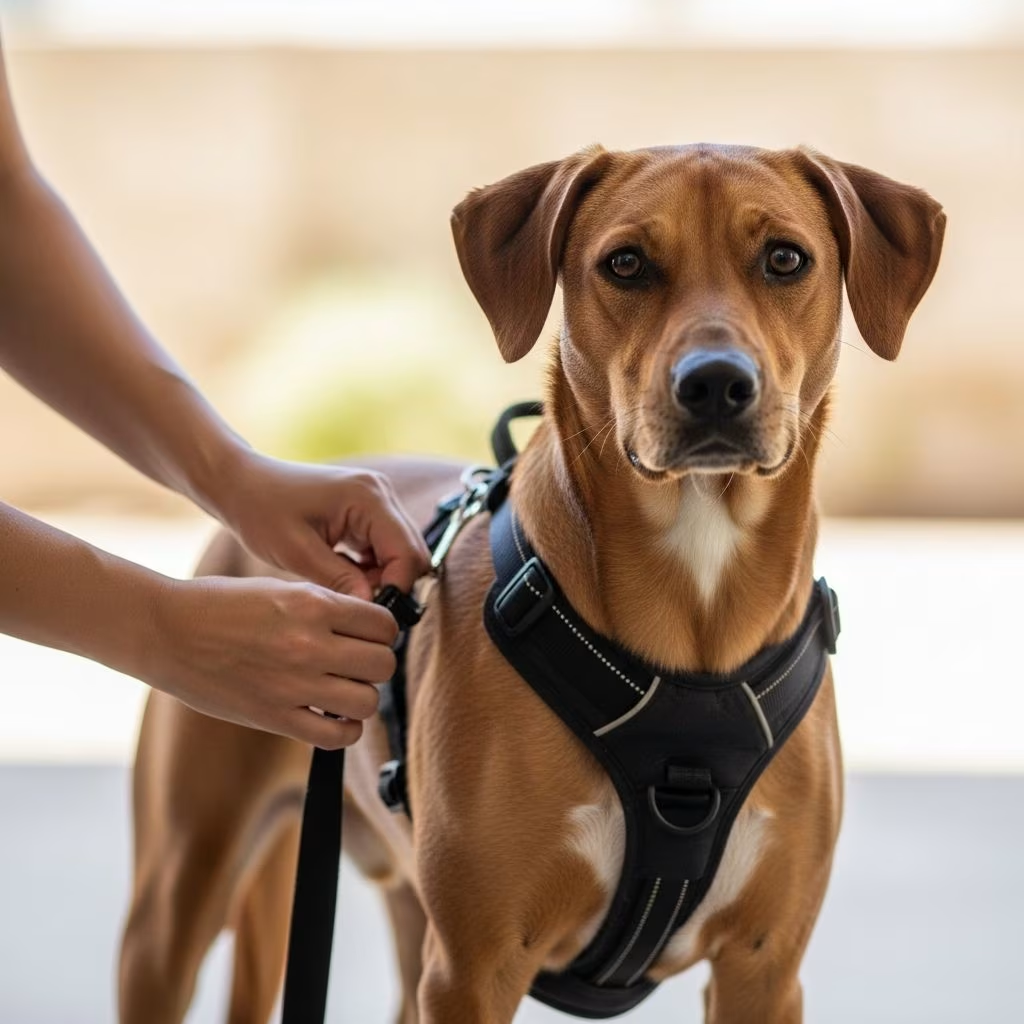
Choosing and properly fitting a dog harness transforms everyday walks into safe, enjoyable experiences while preventing common issues like chafing or escape attempts. Unlike collars, harnesses distribute pressure across the chest and shoulders, making them ideal for training, travel, and active outings. This guide explores measurement techniques, fitting steps, harness varieties, and practical usage advice to ensure your canine companion stays secure and comfortable.
Why Harnesses Outperform Collars for Most Dogs
Harnesses reduce strain on delicate neck structures, particularly beneficial for breeds prone to tracheal collapse or those with pulling tendencies. They promote better posture during leashed activities and minimize injury risks from sudden jerks. For puppies, seniors, or reactive dogs, the supportive design encourages positive associations with outings.
- Pressure Distribution: Spreads force over torso instead of throat.
- Escape Prevention: Harder to slip out when fitted correctly.
- Versatility: Suited for hiking, car rides, and no-pull training.
Essential Measurements for Perfect Sizing
Accurate measurements prevent returns and ensure comfort. Gather a soft measuring tape, treat pouch for cooperation, and note weight via scale (weigh yourself holding your dog if needed). Focus on three key areas: girth, neck, and weight.
Step-by-Step Measuring Guide
- Girth (Chest Circumference): Locate the widest part behind front legs, just past ribcage base. Wrap tape snugly over back and around, allowing natural breathing room. This is primary sizing metric for most brands.
- Neck Size: Measure thickest neck section above shoulders, not collar spot. Essential for overhead-style harnesses.
- Weight Confirmation: Cross-reference with charts; overlaps common, so prioritize larger if borderline.
Repeat twice for consistency, measuring during calm moments post-meal to capture true size.
Universal Sizing Reference Table
| Size | Girth (in/cm) | Neck (in/cm) | Weight (lbs/kg) |
|---|---|---|---|
| XXS | 8-12 / 20-30 | 7-11 / 18-28 | 2-9 / 1-4 |
| XS | 12-18 / 30-46 | 9-13 / 23-33 | 5-15 / 2-7 |
| S | 16-22 / 41-56 | 12-20 / 30-50 | 10-25 / 5-11 |
| M | 18-28 / 46-71 | 16-25 / 40-63 | 25-50 / 11-23 |
| L | 24-34 / 61-86 | 18-30 / 46-76 | 50-80 / 23-36 |
| XL | 28-44 / 71-112 | 24-35 / 61-89 | 80+ / 36+ |
Adapt for brachycephalic or barrel-chested breeds by adding 1-2 inches if measurements straddle sizes.
Fitting Your Harness: The Two-Finger Rule
A properly fitted harness allows exactly two fingers between straps and body—snug yet breathable. Too loose risks slippage; too tight causes rubbing or restricted movement.
Fitting Overhead Harnesses
Common for daily use; slip over head first.
- Loosen all straps fully.
- Position over head, align chest panel under torso.
- Snap buckles behind legs; adjust side straps evenly.
- Tighten belly band if present, centering over sternum.
- Test: Lift gently; no upward shoulder slip or leg pinch.
Fitting Step-In and Vest Styles
Ideal for wiggly or anxious dogs.
- Place paws into loops, swing back panel over spine.
- Secure central buckle; fine-tune girth and neck.
- Ensure forward ring sits high on chest for no-pull leverage.
Check quarterly as puppies grow rapidly or weight fluctuates seasonally.
Exploring Harness Types for Every Lifestyle
No one-size-fits-all; match to activity and dog’s behavior.
| Type | Best For | Adjustment Points | Pros | Cons |
|---|---|---|---|---|
| Front-Clip (No-Pull) | Leash reactive/pullers | 4-6 | Steers via chest | May rub active dogs |
| Back-Clip | Calm walkers/hiking | 3-5 | Balanced weight | Encourages pulling |
| Vest/Padded | Seniors/puppies/sensitive skin | 2-4 | Max comfort | Less adjustability |
| Step-In | Small breeds/indoor | 4 | Easy don/doff | Limited durability |
Hybrid models with multiple clips offer flexibility for training transitions.
Safe Usage and Training Integration
Beyond fitting, teach harness tolerance with positive reinforcement. Pair donning with high-value treats; start indoors sans leash.
- Walk Protocol: Clip low for control, high for freedom. Maintain slack to avoid constant tension.
- Vehicle Safety: Anchor to seatbelt loop; crash-tested models preferred.
- Cleaning Routine: Spot-wipe straps, air-dry fully to prevent mildew.
- Monitoring Wear: Inspect weekly for frays, especially at high-friction points.
Addressing Common Challenges
Dog Resists Harness: Desensitize gradually; use counter-conditioning.
Chafing Occurs: Loosen offending strap, apply pet-safe balm, or switch padding type.
Escapes Harness: Re-measure; opt for martingale-style closures.
Advanced Tips for Active and Specialized Needs
For trail runners or service dogs, prioritize reflective, quick-release models with multiple adjustments. Barrel-chested breeds like Bulldogs benefit from Y-neck designs avoiding armpit pressure. Always trial-fit before long adventures.[10]
Frequently Asked Questions
Can puppies wear harnesses?
Yes, from 8-12 weeks, sized appropriately to allow growth (recheck monthly).
How often should I replace a harness?
Every 1-2 years or sooner if damaged, based on usage intensity.
Is a harness better than a collar for all dogs?
Not always; collars suit ID tags and low-pull dogs, but harnesses excel for safety.
What if my dog’s size falls between charts?
Select larger; pad with liners if needed for custom fit.
Do harnesses stop pulling entirely?
Front-clip aids redirection, but pair with consistent training.
Conclusion: Elevate Your Dog’s Mobility Safely
Investing time in proper harness selection and fit yields dividends in trust, health, and joy shared on leashes worldwide. Regular practice ensures seamless integration into routines, fostering confident explorers.
References
- How to Fit a Dog Harness — Kurgo. 2023. https://www.kurgo.com/blog/how-to-fit-a-dog-harness
- How To Measure Your Dog For A Harness — Julius K9 UK. 2024. https://julius-k9.co.uk/how-to-measure-your-dog-for-a-dog-harness-help
- How to Fit a Dog Harness — 2 Hounds Design. 2023. https://2houndsdesign.com/blogs/blog/how-to-fit-a-dog-harness
- How to fit the 5 main types of dog harnesses — Pet Circle (YouTube). 2022-10-15. https://www.youtube.com/watch?v=DeDcWpvtEVw
- How a Dog Harness Should Fit: The Ultimate Guide — Neewa USA. 2024. https://www.neewadogs.com/blogs/blog/how-a-dog-harness-should-fit
- Dog harness sizing chart — PetSmart. 2025. https://www.petsmart.com/help/sizing-charts-H0012d.html
- The Size is Right: How to Measure for Your Dog’s Gear — Ruffwear. 2023. https://ruffwear.com/blogs/explored/the-size-is-right-how-to-measure-for-your-dogs-gear
- The Importance of a Well-Fitting Dog Harness — American Kennel Club. 2024-03-20. https://www.akc.org/expert-advice/lifestyle/the-importance-of-a-well-fitting-harness/



