

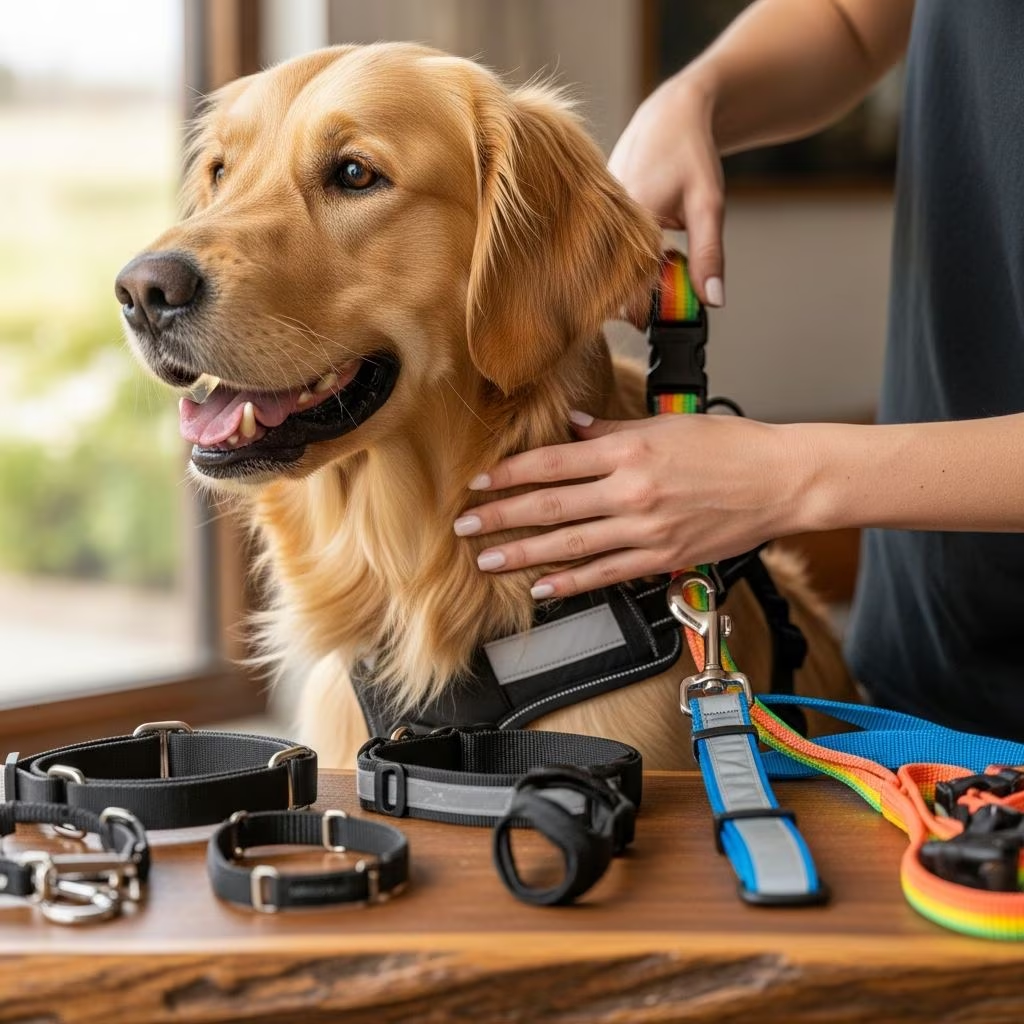
Applying gear like harnesses, jackets, and anxiety wraps correctly transforms everyday walks and activities into comfortable experiences for your dog. Proper fitting prevents chafing, escapes, and stress while maximizing safety and functionality. This guide explores essential techniques, types of gear, and tailored strategies for various canine needs.
Why Proper Gear Fitting Matters for Canine Health
Ill-fitted gear can cause skin irritation, restricted movement, or even injury. Harnesses distribute pressure away from the neck, reducing tracheal damage common with collars, especially in pullers. Jackets shield against harsh weather, preventing hypothermia in vulnerable breeds. Anxiety wraps like Thundershirts apply gentle, constant pressure to calm nerves during storms or travel, mimicking maternal hugging.
Key benefits include improved control on leashes, enhanced visibility in low light, and support for mobility-challenged dogs. Selecting the right application method ensures gear performs as intended without discomfort.
Essential Tools and Preparation Before Dressing Your Dog
Before starting, gather tools: a measuring tape for precise sizing, treats for positive reinforcement, and a quiet space to minimize stress. Measure your dog’s girth (behind front legs), neck, and back length. Compare against manufacturer charts, as sizes vary by brand.
- Girth measurement: Widest part of ribcage.
- Back length: From withers to tail base.
- Neck: Base of neck, not head circumference.
Introduce gear gradually with play sessions. Pair with high-value rewards to build positive associations, crucial for anxious or wiggly dogs.
Step-by-Step Guide to Fitting Harness Types
Harnesses come in strap, vest, back-clip, front-clip, and specialized designs. Each requires unique application to avoid slips or pressure points.
Strap Harnesses for Active Dogs
Lightweight strap models suit strong pullers and short-haired breeds. Step 1: Loosen all straps fully. Step 2: Slip over head, positioning chest strap behind front legs. Step 3: Buckle and adjust for two fingers’ space under straps—no tightness. Step 4: Test by lifting gently; dog should stand comfortably without sliding.
Vest Harnesses for Comfort and Security
Vest styles offer padded coverage, ideal for small, long-haired, or senior dogs. Unfasten side buckles or zippers. Place over head and front legs like a shirt. Secure buckles, adjusting velcro or straps for snug chest fit without restricting shoulders. These excel in even weight distribution, preventing neck strain.
| Harness Type | Best For | Key Fitting Tip |
|---|---|---|
| Back-Clip | Daily walks, natural stride | Clip at shoulder blades; check for free leg movement |
| Front-Clip | Pullers, training | Attach leash low on chest; tug-test steering |
| Vest | Small/senior dogs | Ensure full coverage without belly rub |
| Utility with Handle | Lifting assistance | Adjust ribcage for secure lift |
Advanced Harnesses: Racing and Tactical
For pulling sports or outdoor adventures, racing harnesses feature H-back designs for breathability. Fasten around chest first, then back straps. Tactical models with handles add protection; apply like vests but verify metal buckles are smooth.
Applying Jackets and Coats for Weather Protection
Dog jackets range from lightweight windbreakers to insulated coveralls. Choose based on climate: vests for mild chill, full jackets for rain, coveralls for extreme cold.
Basic Vest Jackets
Sleeveless vests maximize mobility. Undo side buckles, drape over back, thread legs through if needed, and fasten. Adjust for no chafing at armpits. Perfect for thin or tropical breeds.
Zippered Jackets and Coveralls
Full-coverage options: Open chest or back zipper fully. Slide over head, align legs into sleeves, zip up slowly while monitoring reactions. Ensure leash portals align with harness clips. For raincoats, overlap seams to block water.
- Check for belly coverage in low-riding dogs.
- Use reflective features for night safety.
- Layer with harness underneath for dual function.
Using Anxiety Relief Garments Effectively
Thundershirts and similar pressure wraps soothe storm-phobic or separation-anxious dogs. Fabric applies firm, even hug-like pressure, releasing endorphins.
Application: Unfold completely. Place front legs through armholes like a shirt. Pull fabric over back, fastening velcro at chest and belly. Tighten to mimic a snug hug—dog should breathe easily but feel secured. Leave on for short sessions initially, extending as tolerated. Effective for 80% of dogs per user reports.
Tailoring Gear to Breed, Age, and Activity
Small and Toy Breeds
These escape artists need secure vests with multiple adjustments. Avoid loose straps; opt for padded interiors to prevent rubbing delicate skin.
Large and Working Breeds
Durable tactical or racing harnesses handle power. Ensure wide straps distribute force; add handles for control.
Seniors and Injured Dogs
Lift-assist utility harnesses reduce joint strain. Coats provide warmth for arthritic pups. Apply slowly, using ramps if mobility-limited.
Puppies and Active Adventurers
Growth spurts demand adjustable fits. Dual-clip Y-harnesses for hiking offer versatility.
Common Mistakes and Troubleshooting
Too tight: Causes panting or avoidance; loosen until two fingers fit under. Too loose: Risks slips; cinch gradually. Chafing: Trim fur or add pads. For wiggly appliers, use peanut butter on spoons as distractions.
Test walk: No slipping, rubbing, or resistance means success. Re-measure every 3-6 months.
Maintenance for Long-Lasting Gear
Hand-wash with mild soap; air-dry away from sun. Inspect buckles and stitching weekly. Store flat to retain shape. Replace if frayed for safety.
Frequently Asked Questions
Can I use a harness over a jacket?
Yes, if the jacket has a leash portal. Apply jacket first, then harness for combined protection and control.
How long can my dog wear a Thundershirt?
Up to 8 hours safely, but monitor for overheating. Remove nightly for skin checks.
What’s the best harness for pullers?
Front-clip vests redirect naturally without discomfort.
Do all dogs need jackets?
Northern breeds often don’t; thin-coated or seniors do.
How to fit a harness on a fearful dog?
Desensitize with counter-conditioning: touch gear, treat repeatedly before full wear.
Enhancing Safety with Visibility and Durability Features
Opt for reflective strips and HI-VIS panels for dusk walks. Heavy-duty nylon resists bites or snags, vital for rural dogs. Crash-tested harnesses secure car travel, clipping to seatbelts.
References
- 10 Types of Dog Harnesses and When to Use Them — Alpine Dog Co. 2023-05-15. https://alpinedogco.ca/blogs/dog/10-types-of-dog-harnesses-and-when-to-use-them-a-complete-guide
- The Ultimate Guide to Vest Dog Harnesses — ForDogTrainers. 2024-02-10. https://www.fordogtrainers.com/blog/the-ultimate-guide-to-vest-dog-harnesses-comfort-style-and-functionality/
- The Ultimate Guide to Dog Harnesses — A Plus A Pets. 2023-11-20. https://www.aplusapets.com/blogs/news/blog
- Benefits of Wearing a Dog Harness — OneTigris Dog Gear. 2024-01-05. https://doggear.onetigris.com/blogs/news/benefits-of-wearing-a-dog-harness
- The 8 Different Types Of Dog Harnesses — Neewa USA. 2023-08-12. https://www.neewadogs.com/blogs/blog/types-of-dog-harnesses
- Choosing the Right Dog Jacket — Ruffwear. 2024-03-01. https://ruffwear.com/pages/choosing-the-right-dog-jacket



