

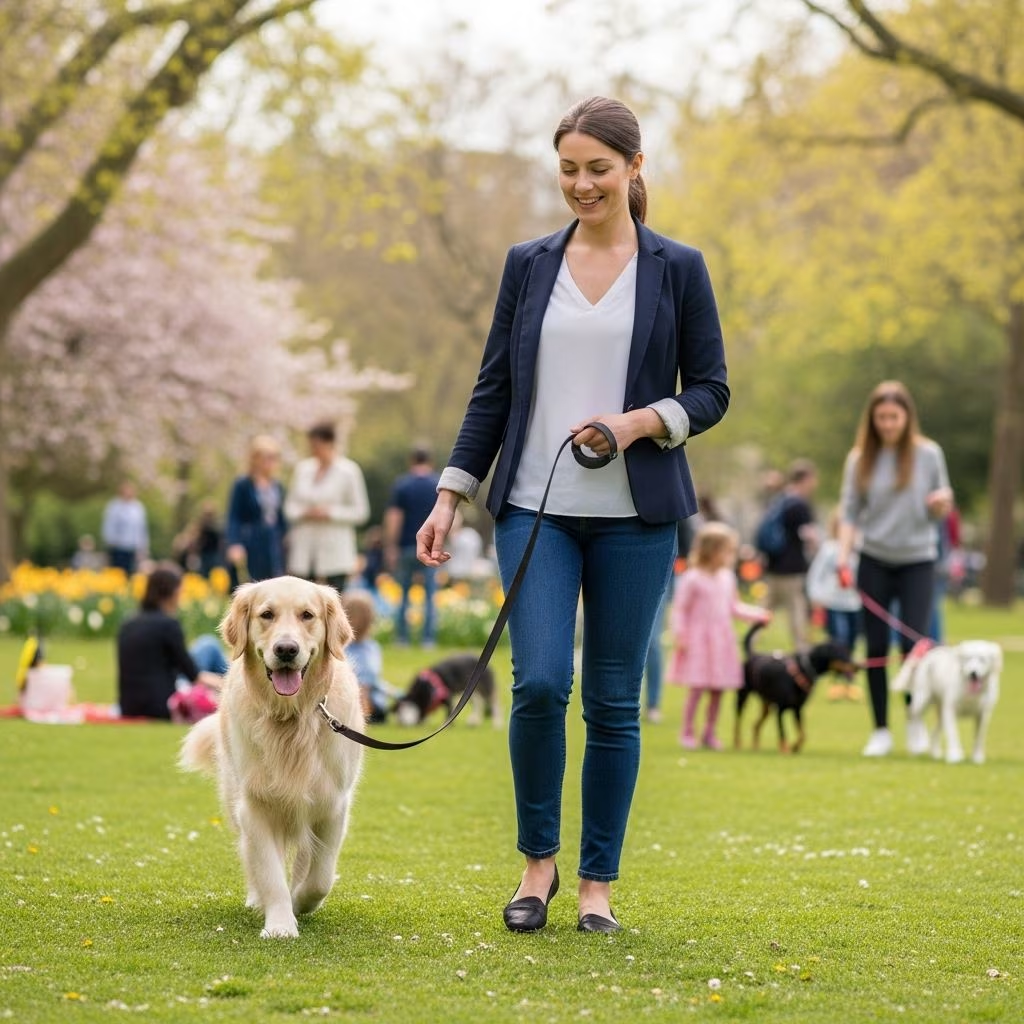
Bringing your dog into public areas can enhance both your lives, but it requires thoughtful preparation to respect others. Proper etiquette ensures safety and enjoyment for pets, owners, and bystanders alike. This guide explores key practices drawn from expert recommendations to help you navigate urban walks, parks, and crowded venues confidently.
Understanding Local Regulations and Leash Requirements
Every community enforces specific rules for dogs in public, primarily revolving around leashes. These laws exist to safeguard animals, people, and property from unexpected incidents. For instance, most urban areas mandate leashes in non-designated zones to prevent chases or collisions.
Always verify local ordinances before heading out. In cities, leashes are non-negotiable due to traffic, distractions, and wildlife. Even well-trained dogs can react instinctively to sudden noises, making off-leash walks risky. Use a sturdy leash and collar or harness—no retractable ones in high-traffic spots, as they offer less control.
- Check signage at entrances to parks or trails for restrictions.
- Opt for short leashes (4-6 feet) in crowds to keep your dog close.
- Respect off-leash zones only if your dog has reliable recall training.
Responsible Waste Management Practices
One of the simplest yet most overlooked aspects of dog ownership is cleanup. Failing to pick up after your pet not only spreads bacteria but also erodes public goodwill toward dogs. Carry multiple bags and dispose of waste in designated bins.
Direct your dog to appropriate spots like gutters, public grass patches, or astroturf areas in dog runs—avoid private lawns or building fronts. In remote areas without bins, pack out the waste. This habit fosters cleaner environments and sets a positive example.
| Scenario | Recommended Action | Why It Matters |
|---|---|---|
| Urban sidewalk | Use gutter or nearby trash | Prevents contamination of walkways |
| Park with bins | Bag and bin immediately | Maintains hygiene for all visitors |
| Trail/no bins | Carry waste out | Protects ecosystems |
Navigating Crowds and Urban Walks
City streets demand vigilance. Keep your dog at your side, especially near cyclists, joggers, or families. Not everyone appreciates canine enthusiasm, so scan ahead for potential stressors.
Choose quieter times or paths if your dog barks at passersby or shows reactivity. Training calm heel behavior prevents pulling or lunging, turning walks into pleasant routines. If crowds thicken, step aside politely.
Safe Interactions with People and Children
Assume others prefer distance unless they initiate. Jumping on strangers, particularly kids, seniors, or those with mobility aids, can cause injury or fear. Teach a solid “sit” for greetings and hold the leash short.
Always seek verbal permission before any contact: “May I pet your dog?” or “Is it okay if my child says hi?” Be upfront about your dog’s temperament—if shy or protective, decline kindly. For protection breeds, extra caution applies; bystanders should avoid approaching without cues.
- Get low to supervise child-dog meets.
- Use treats to reinforce polite behavior.
- Intervene if interactions escalate.
Reading Canine Body Language Signals
Understanding non-verbal cues prevents mishaps. Friendly dogs show relaxed ears, wagging tails, and soft eyes; tense ones stiffen, yawn excessively, or tuck tails. Respect leashed dogs’ space—they may be restrained for a reason.
Owners: Monitor your dog’s stress and redirect if needed. Public: Observe before engaging, and back off at signs of discomfort.
Dog Parks: Protocols for Off-Leash Play
These havens offer socialization but require rules. Enter leashed, secure the gate, then unleash in the designated area to avoid chaos. Leave the same way.
Supervise closely—interrupt rough play or bullying. Ensure vaccinations are current to protect the pack. Exit if your dog fixates or tires.
- Assess the park’s vibe before entering.
- Know exit strategies for overstimulation.
- Clean up multiple times per visit.
Socializing and Training for Public Success
Well-socialized dogs thrive outdoors. Expose puppies gradually to noises, surfaces, and strangers in controlled settings. Basic commands like “sit,” “stay,” “come,” and “leave it” provide control anywhere.
Practice in low-stakes environments first. Positive reinforcement builds confidence without overwhelming your pet. Consider group classes for real-world practice.
Special Considerations for Reactive or Protective Dogs
Not all dogs suit every outing. If yours has a bite history or fears crowds, choose quiet venues or skip them. Muzzles can enable safe access to vets or walks—train for comfort.
Handlers of working breeds must prioritize control with secure gear labeled “Do Not Pet.” Public spaces demand their calm demeanor.
Pet-Friendly Venues: Etiquette Beyond Outdoors
Stores and cafes welcoming dogs expect manners: quiet sitting, no counter surfing. Confirm policies—service animals differ. Reward calm behavior to encourage invites.
Frequently Asked Questions
What if my dog pulls on the leash in public?
Use a front-clip harness and stop walking when they pull, rewarding slack leash. Consistent training yields results.
Is it okay to let my friendly dog greet others off-leash?
No—always ask and keep leashed unless in designated areas. Respect others’ comfort.
How do I handle a dog marking in inappropriate spots?
Redirect to approved areas and clean thoroughly. Training prevents repeats.
What about tied-up dogs outside shops?
Avoid approaching without the owner; they may guard territory. Soft voices if engaging.
Can I bring my dog to events or beaches?
Check rules—many ban dogs or limit to mornings. Leash and cleanup mandatory.
Building a Culture of Mutual Respect
Good etiquette stems from empathy. By prioritizing control, cleanliness, and consent, you enhance public spaces for all. Share these habits to normalize responsible ownership.
References
- Tips for Taking a Dog in Public — Best Friends Animal Society. 2023. https://bestfriends.org/pet-care-resources/tips-taking-dog-public
- Dog Etiquette – Approaching Dogs in Open Spaces — Petcover Group AU. 2024. https://www.petcovergroup.com/au/dog-etiquette-approaching-dogs-in-open-spaces/
- Dog Walking Etiquette for Cities — Windy City Paws. 2023. https://windycitypaws.com/blog/dog-walking-etiquette-for-cities/
- Pet Etiquette in Public Places: How to Navigate Shared Spaces — Voyager Harness. 2024. https://voyagerharness.com/blogs/news/pet-etiquette-in-public-places-how-to-navigate-shared-spaces
- Protection Dogs in Public: Rules, Etiquette & Safety — Vanguard Protection Dogs. 2023. https://www.vanguardprotectiondogs.com/protection-dogs-public-rules-etiquette-safety/



