

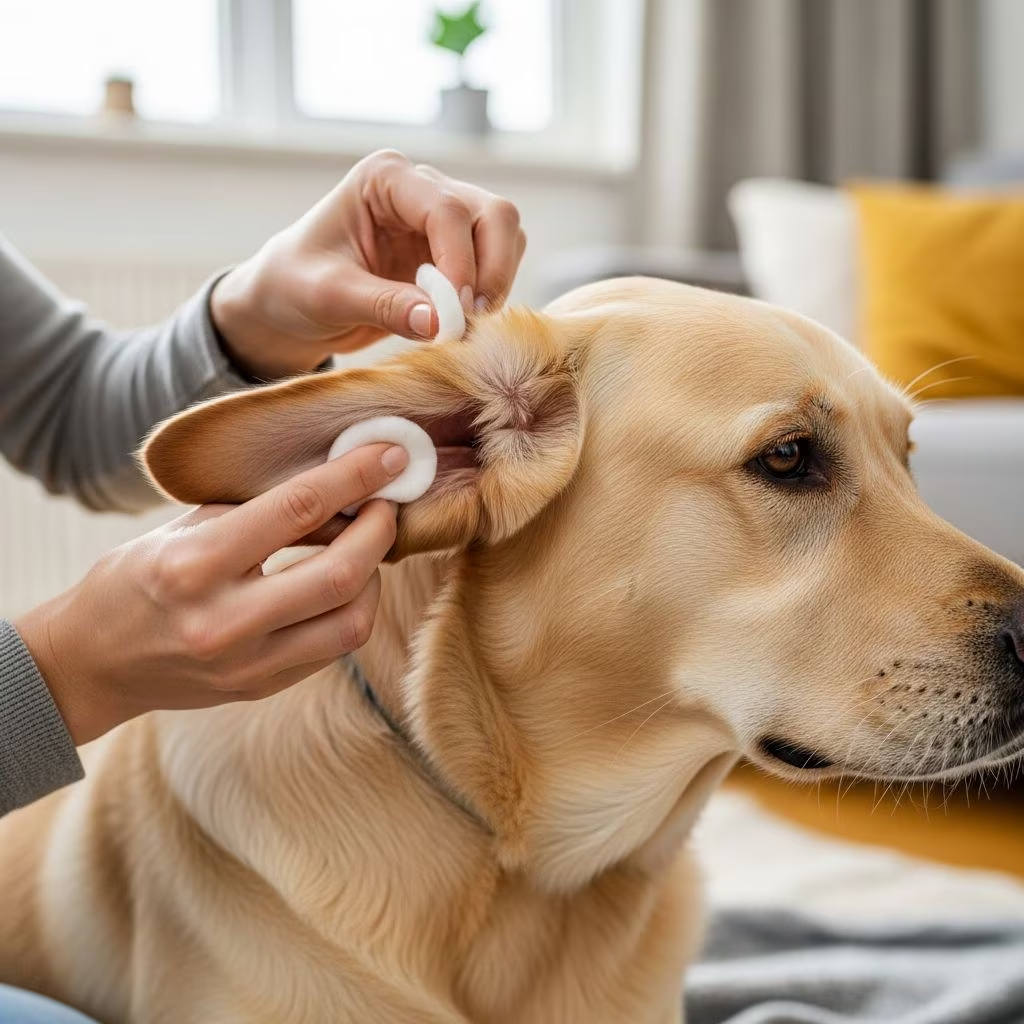
Regular ear maintenance is a vital aspect of responsible pet ownership, helping dogs avoid painful infections and maintain comfort. Many breeds, especially those with floppy ears or frequent water exposure, require consistent attention to their ear canals to prevent buildup of wax, debris, and moisture that can lead to bacterial or yeast overgrowth. This guide provides a thorough overview of why ear care matters, essential supplies, precise cleaning methods, and indicators that professional intervention is needed.
Why Prioritize Your Dog’s Ear Hygiene
Dogs’ ears differ from human ears in structure and function. The L-shaped canal traps moisture, dirt, and wax more easily, creating an ideal environment for pathogens if not addressed. Breeds like Cocker Spaniels, Basset Hounds, or Labrador Retrievers are particularly susceptible due to droopy ear flaps that limit airflow. Neglect can result in otitis externa, an inflammation affecting up to 20% of dogs annually according to veterinary studies. Routine cleaning removes excess material, promotes drying, and catches problems early, reducing vet visits and costly treatments.
Healthy ears should appear pink, dry, and odor-free with minimal visible wax. Any deviation warrants closer inspection. Proactive care also strengthens the bond between owner and pet through positive handling experiences.
Essential Tools for Effective Ear Cleaning
Gathering the right equipment ensures safety and efficiency. Avoid household remedies like alcohol or peroxide, which irritate sensitive skin and disrupt natural pH balance.
- Veterinarian-recommended ear cleaner: Opt for solutions designed for dogs, free of harsh chemicals, to dissolve wax and debris gently.
- Cotton balls or gauze squares: Soft and absorbent for wiping visible areas without leaving fibers behind.
- Towels or protective mats: To manage mess from shaking.
- Treats and praise: For positive reinforcement during the process.
Never use cotton swabs inside the canal, as they can compact debris or damage the eardrum, acting like a piston to push material deeper.
Step-by-Step Guide to Cleaning Dog Ears Safely
Approach cleaning when your dog is relaxed, perhaps after a walk or meal. Work in a quiet space with good lighting. The process takes 5-10 minutes per ear and should be done weekly for at-risk dogs or monthly for others.
- Prepare and position: Have supplies ready. Gently lift the ear flap to inspect for redness, swelling, or discharge. If present, stop and consult a vet. Hold the ear upright with one hand.
- Apply cleaner: Fill the canal generously with solution, avoiding contact between bottle tip and ear to prevent contamination. Use enough to see it pool at the base.
- Massage thoroughly: With fingers, rub the base of the ear in circular motions for 20-30 seconds. A squishing or crackling sound indicates debris breaking up—a positive sign.
- Allow shaking: Step back and let your dog shake vigorously. This dislodges loosened material. Drape a towel over them if needed.
- Wipe exterior surfaces: Use fresh cotton or gauze wrapped around a finger to clean the inner flap and outer canal entrance. Insert no deeper than your first knuckle, ideally using your pinky for safety. Repeat until wipes come away clean.
- Reward and repeat: Offer treats and affection. Switch to the other ear.
For dogs resistant to handling, teach a “chin” command: Have them rest their chin on your palm while you clean the opposite ear, building trust gradually.
How Often Should You Clean Your Dog’s Ears?
Frequency depends on breed, lifestyle, and ear type. Use this table to determine a schedule:
| Breed/Ear Type | Activity Level | Recommended Frequency |
|---|---|---|
| Floppy ears (e.g., Spaniels) | Swimming/Outdoor | Weekly |
| Floppy ears | Indoor/Low activity | Every 2 weeks |
| Upright ears (e.g., German Shepherds) | Any | Monthly |
| Post-grooming/bathing | All | Immediately after |
Over-cleaning strips protective oils, so err on the side of caution. Always check with your vet for personalized advice, especially for puppies or seniors.
Recognizing Ear Health Red Flags
Not all issues resolve with home care. Monitor for these symptoms post-cleaning or routinely:
- Foul odor: Indicates yeast or bacterial infection.
- Dark, crumbly discharge: Resembles coffee grounds; common in yeast cases.
- Yellowish pus or blood: Bacterial infection or injury.
- Head tilting, scratching, or whining: Pain signals requiring urgent vet attention.
- Balance issues or hearing loss: Advanced infection signs.
If observed, refrain from cleaning and schedule a vet exam. They may perform a deep flush with specialized tools like a video-otoscope for thorough debris removal.
Tailoring Ear Care for Different Dogs
Puppies need gentle introductions to build tolerance—start with outer wiping only. Active swimmers benefit from drying agents post-cleaning. Hairy-eared breeds like Shih Tzus require plucking under vet guidance to improve ventilation. For anxious dogs, desensitization training with treats over sessions works wonders.
Advanced Techniques and Vet Collaboration
Home cleaning handles maintenance, but chronic cases demand professional deep flushes. Vets use warm saline, curettes, and magnification for precision, often after cytology to identify pathogens. Follow their prescribed cleaners and regimens post-treatment. Some recommend contact time (5-15 minutes) before massaging for optimal results.
Integrate ear checks into weekly grooming routines alongside brushing and nail trims for holistic care.
Frequently Asked Questions
Can I use baby wipes for dog ears?
No, they lack the pH balance and cleaning power needed, potentially causing irritation.
What if my dog hates ear cleaning?
Use high-value treats, two-person teams, or vet-prescribed sedatives for severe cases. Gradual exposure helps.
Is water safe in dog ears during baths?
Minimize exposure; dry thoroughly afterward with absorbent materials or vet-approved dryers.
How do I know if it’s an allergy vs. infection?
Allergies often cause itching without odor; infections add discharge and smell. Vets diagnose via exam.
Are natural remedies effective?
Only vet-approved ones; avoid untested oils or vinegars, which can worsen issues.
Long-Term Prevention Strategies
Beyond cleaning, ensure ears dry after swims, trim hair around canals, and maintain a balanced diet supporting skin health. Annual vet ear exams during checkups catch subclinical issues. Tracking symptoms in a journal aids early detection.
Consistent care transforms ear maintenance from a chore to a rewarding routine, keeping your canine companion comfortable and infection-free year-round.
References
- Instructions for Ear Cleaning in Dogs — VCA Animal Hospitals. Accessed 2026. https://vcahospitals.com/know-your-pet/instructions-for-ear-cleaning-in-dogs
- How to Clean Your Dog’s Ears at Home — AKC Pet Insurance. Accessed 2026. https://www.akcpetinsurance.com/blog/how-to-clean-dog-ears
- How to Clean Dog Ears: A Safe and Easy Guide — Northwoods Veterinary Hospital. Accessed 2026. https://northwoodsvet.com/how-to-clean-dog-ears/
- Deep Ear Cleaning for Dogs — Legacy Animal Medical Center. 2023-04-15. https://www.legacyamc.com/site/blog/2023/04/15/ear-cleaning-dogs
- 5 Tips & Tricks for Cleaning Your Dog’s Ears at Home — Advanced Petcare Clinic. Accessed 2026. https://www.advancedpetcareclinic.com/services/dogs/blog/5-tips-tricks-cleaning-your-dogs-ears-home
- Clinical Resource: Deep Ear Flush, Step by Step — Today’s Veterinary Practice. Accessed 2026. https://todaysveterinarypractice.com/dermatology/clinical-resourcedeep-ear-flush-step-step/
- CLEANING YOUR PET’S EARS — Dechra. Accessed 2026. https://www.dechra-us.com/Files/Files/SupportMaterialDownloads/us/US-030-BRO.pdf



