

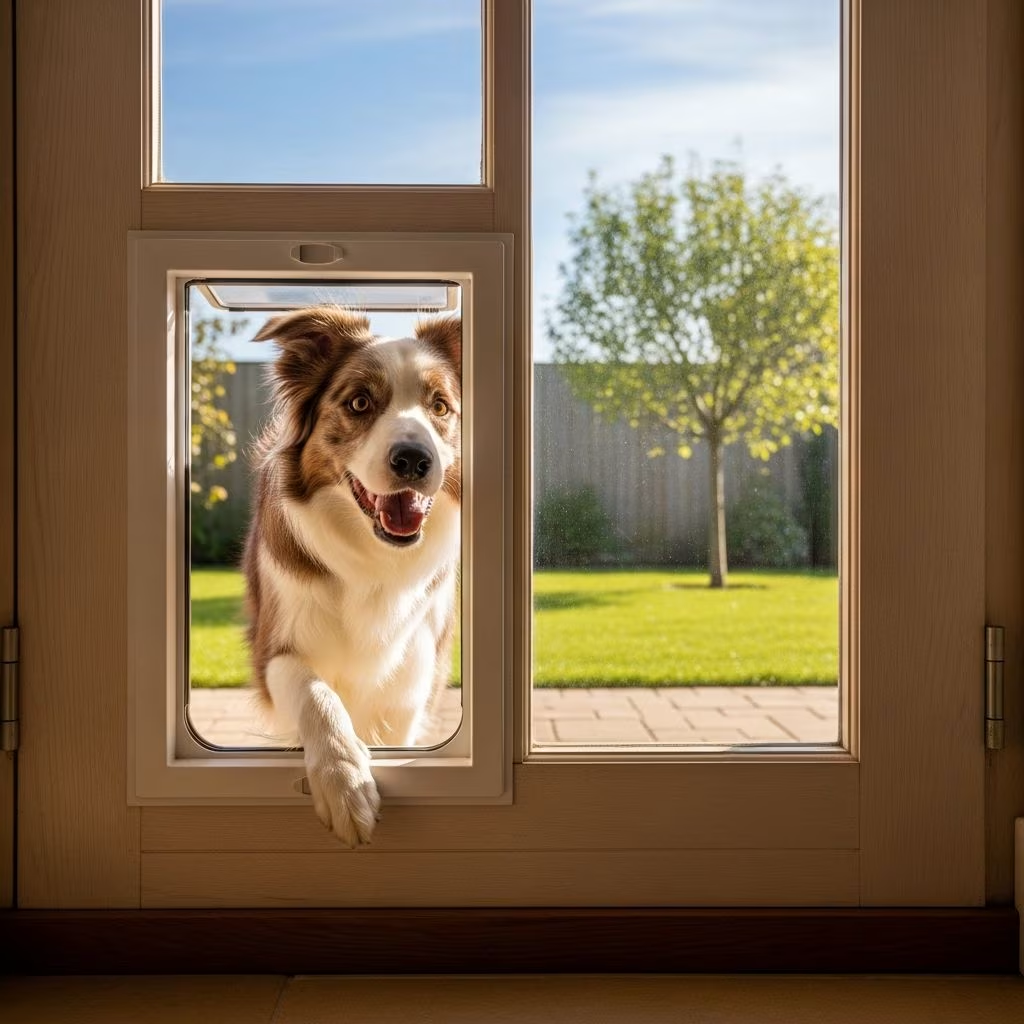
Installing a dog door offers your pet unprecedented freedom to access the outdoors independently, reducing your workload while enhancing their quality of life. This detailed resource outlines everything from preparation to advanced troubleshooting, ensuring a smooth transition for any canine companion.
Why Equip Your Home with a Pet Door?
Pet doors revolutionize daily routines by allowing dogs to relieve themselves, play, or simply enjoy fresh air without constant human intervention. Benefits extend beyond convenience: they promote physical exercise, alleviate separation anxiety through self-regulated access, and minimize indoor accidents. Studies from veterinary associations highlight how such independence correlates with lower stress levels in pets, fostering happier households. Proper training transforms this tool into a seamless part of your dog’s behavior repertoire.
Selecting the Perfect Dog Door Size and Type
Choosing an appropriately sized door is foundational to successful adoption. Begin by measuring your dog’s broadest area—typically the chest or hips—and add 1-2 inches for comfortable passage. Undersized doors intimidate, while oversized ones overwhelm smaller breeds, making flap operation daunting.
- Small breeds (under 15 lbs): Opt for compact models with lightweight flaps.
- Medium breeds (15-40 lbs): Standard sizes suffice, prioritizing durable materials.
- Large breeds (over 40 lbs): Select reinforced flaps to withstand forceful pushes.
Material choices matter: plastic flaps suit mild climates, while insulated, magnetic-closure variants excel in variable weather, preventing drafts and pests. Electronic doors with collar-activated locks add security for multi-pet homes.
Strategic Installation for Optimal Use
Placement influences training efficacy. Position the door at your dog’s eye level, near their favored exit route, such as adjacent to the main human door or patio access. Secure installation in glass, walls, or screens ensures stability—avoid loose fittings that rattle and scare pets.
| Installation Surface | Pros | Cons | Best For |
|---|---|---|---|
| Wall | Secure, weatherproof | Requires tools | Large dogs |
| Door | Easy retrofit kits | Less durable | Apartments |
| Window | Non-permanent | Limited sizes | Renters |
Before finalizing, test the flap’s swing mechanism. A smooth, quiet operation encourages exploration.
Foundational Training: Building Familiarity
Initiate training pre-installation by letting your dog sniff the door components, associating them with positivity via treats. Post-installation, prop the flap fully open, creating a clear tunnel view to the yard. Call your dog gently, rewarding any interest with praise and high-value rewards like chicken bits or squeaky toys.
Short sessions—5-10 minutes, twice daily—prevent fatigue. Consistency reinforces neural pathways, turning novelty into routine.
Progressive Techniques: From Open to Independent Use
Layer challenges gradually to build confidence:
- Flap Observation: Demonstrate flap movement by hand, allowing your dog to watch and paw at it freely.
- Assisted Passage: Hold flap halfway, luring with treats from outdoors. Praise profusely for partial steps.
- Partial Push: Lower flap incrementally; guide their nose under if needed, never forcing.
- Full Autonomy: Step back, encouraging self-initiated use. Reward solo successes extravagantly.
Alternate directions—inside to out and reverse—to ensure bidirectional proficiency. Incorporate play: toss toys through the opening to gamify the process.
Overcoming Common Hurdles in Dog Door Adoption
Hesitancy stems from fear of the unknown. For timid dogs, employ a temporary lightweight flap or remove magnets temporarily for easier pushing. Noise-averse pups benefit from desensitization: tap the flap rhythmically during calm moments, pairing with treats.
Stubborn cases respond to hunger timing—train before meals using kibble as bait. Multi-dog households require individual sessions to avoid competition.
- Fearful Dogs: Use calming pheromone diffusers nearby.
- Energetic Pups: Tire them with walks first for focused learning.
- Senior Dogs: Accommodate arthritis with low-threshold models.
Leveraging Positive Reinforcement Science
Operant conditioning underpins success: rewards strengthen desired behaviors. Veterinary behaviorists recommend variable reward schedules—intermittent treats post-mastery—to sustain long-term use without dependency. Avoid punishment; it breeds avoidance.
Realistic Timelines and Patience Strategies
Puppies grasp concepts in days; adults, especially rescues, may need weeks. Track progress in a journal, celebrating milestones like first unassisted exit. If plateaued after two weeks, consult a certified trainer.
Safety Considerations and Maintenance
Supervise initial uses to thwart escapes into hazards. Regularly inspect for wear, cleaning flaps to remove scents that deter use. Weatherproof seals prevent energy loss and critter intrusion.
FAQs: Dog Door Training Essentials
What if my dog ignores the door entirely?
Enhance motivation with novel treats or toys. Close interior doors to funnel them toward the pet exit.
Can all dogs learn this skill?
Yes, with tailored patience. Adapt for physical limitations via adjustable flaps.
How often should I train?
Two 10-minute sessions daily, spacing to match energy peaks.
Is professional help necessary?
Rarely; persistence yields results. Seek if fear persists beyond a month.
What rewards work best?
High-value, low-calorie options like freeze-dried liver maintain health.
Long-Term Benefits and Lifestyle Integration
Mastered dog doors yield potty-trained bliss, reduced begging at doors, and enriched lives. Owners report fewer vet visits from cabin fever, as dogs self-exercise. Integrate with routines: pre-bedyard access prevents overnight accidents.
Expand utility for hot days—cool yard retreats—or rainy escapes with covered landings. For working owners, pair with puzzle toys outdoors for mental stimulation.
References
- PetSafe: How to Train Your Dog to Use a Doggie Door — PetSafe. 2023. https://www.petsafe.com/blog/how-to-train-your-dog-to-use-a-doggie-door/
- Australian Pet Doors: How to Train Your Dog to Use a Dog Door — Australian Pet Doors. 2024. https://www.australianpetdoors.com.au/how-to-train-your-dog-to-use-a-dog-door/
- Hale Pet Door: Master Dog Door Training — Hale Pet Door. 2023. https://www.halepetdoor.com/blog/dog-door-training-teaching-your-pet-to-use-the-door-with-ease/
- Endura Flap: Training a Stubborn Dog to Use a Pet Door — Endura Flap. 2024. https://enduraflap.com/blogs/pet-doors/stubborn-dog
- Catwalk Pet Doors: 5 Tips to Train Your Dog — Catwalk Pet Doors. 2023. https://catwalk-petdoors.com/5-tips-to-help-train-your-dog-to-use-your-dog-door/



