

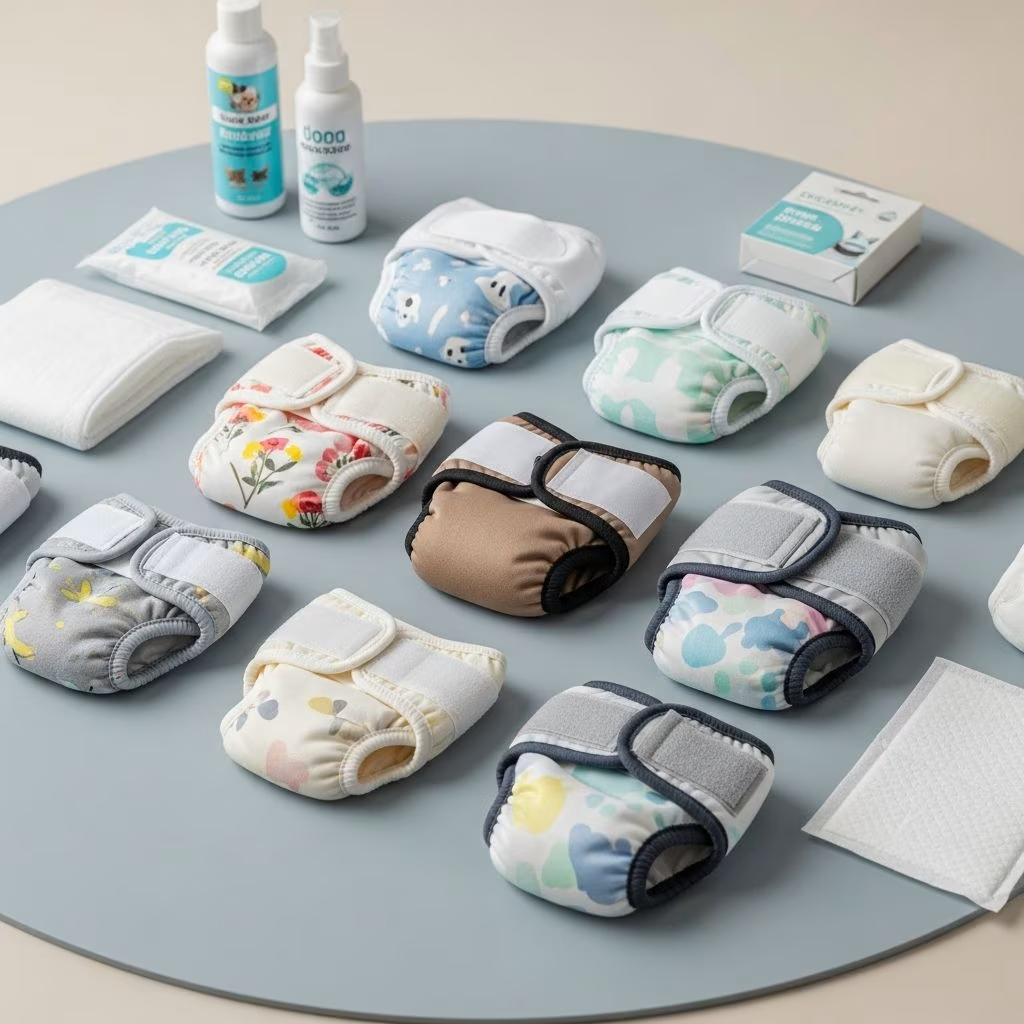
Dog diapers provide an essential solution for managing incontinence, heat cycles, house training, or mobility issues in pets. These products help maintain cleanliness in the home while keeping dogs comfortable during times of need. Understanding the variety of options, correct fitting techniques, and ongoing care ensures effective use without causing discomfort or health risks.
Why Dogs Need Diapers and When to Use Them
Dogs may require diapers for several reasons, including age-related incontinence in seniors, urinary or fecal issues from medical conditions, females in heat to control bleeding, or puppies during potty training. For older dogs unable to hold their bladder, diapers prevent accidents and reduce stress for owners. During estrus, female dogs experience vaginal discharge, making diapers a practical choice to manage messes. They also aid travel or situations where regular potty breaks aren’t feasible.
- Incontinence: Common in aging dogs or those with spinal injuries, affecting bladder control.
- Heat cycles: Lasting up to three weeks, requiring absorbent protection for females.
- Training aid: Helps contain accidents in young pups learning house rules.
- Post-surgery recovery: Protects wounds and manages elimination during healing.
Always consult a veterinarian to rule out underlying health problems before relying on diapers long-term, as they address symptoms rather than causes.
Types of Dog Diapers: Disposable vs. Reusable
Dog diapers come in disposable and reusable varieties, each with distinct advantages suited to different lifestyles and needs. Disposable options offer convenience with high absorbency but generate waste, while reusables are eco-friendly and cost-effective over time.
| Type | Pros | Cons | Best For |
|---|---|---|---|
| Disposable | Highly absorbent, no washing needed, odor control | Recurring cost, environmental impact | Travel, occasional use |
| Reusable/Washable | Cost-saving, customizable fit, machine-washable | Requires laundering, less absorbent initially | Daily use, eco-conscious owners |
| Belly Bands (Males) | Targets urine marking, lightweight | Not for feces, needs frequent changes | Incontinent males |
| Skirt Style (Females) | Full coverage for heat, secure fit | May shift on active dogs | Heat cycles, heavy flow |
Reusable diapers often pair with liners like human sanitary pads for added absorbency, extending wear time and reducing laundry frequency.
How to Measure Your Dog for the Perfect Diaper Fit
Proper sizing prevents leaks, chafing, or slippage. Measure the waist just in front of the hind legs at the widest point, with the dog standing comfortably. Use a flexible tape measure, keeping it snug but allowing space for two fingers underneath to avoid constriction.
- Have your dog stand squarely on a flat surface.
- Locate the girth: around the belly, behind the front legs and in front of the back legs.
- Record in inches; consult brand-specific charts as fits vary.
- Account for fur: Fluffy coats may need a size up to prevent compression.
- Test fit: Snug but not tight; adjustable Velcro or snaps accommodate weight changes.
For males, combine standard diapers with belly bands wrapping the abdomen. Females benefit from designs with extended belly flaps. Trial different brands, as sizing inconsistencies exist across manufacturers.
Step-by-Step Guide to Putting On Dog Diapers
Applying a diaper correctly ensures security and comfort. Follow these steps for most wrap-around styles with tail holes and Velcro fasteners.
- Prepare the diaper: Unfold wings, ensure absorbent side faces inward, and position tail hole at the rear.
- Lift tail: Gently slip the tail through the hole, aligning the shorter back panel against the hindquarters.
- Position under belly: Pull the front bib forward between the legs, covering the genital area snugly.
- Secure wings: Wrap left wing around the left hind leg, fastening Velcro to the back waist strip; repeat on right.
- Adjust fit: Tighten or loosen for a secure hold; check for gaps or pressure points.
- Praise and reward: Use treats to create positive associations, reducing resistance.
For no-tail-hole versions, slide under from the front. Always remove before outdoor potty time to encourage natural elimination.
Daily Maintenance and Hygiene Best Practices
Regular upkeep prevents skin issues like rashes, infections, or urine scalds. Change diapers every 3-4 hours or immediately if soiled, monitoring for wetness against the skin.
- Clean the area with pet-safe wipes, waterless shampoo, or mild soap before re-diapering.
- Air out skin periodically by removing diapers for 15-30 minutes every few hours.
- Wash reusables in hot water with pet-safe detergent; avoid fabric softeners to maintain absorbency.
- Inspect for irritation: Redness or sores signal too-tight fits or infrequent changes.
- Store clean diapers in a dry, ventilated area; dispose of soiled disposables promptly.
For bedridden dogs, extra vigilance prevents bedsores; use breathable materials and frequent checks.
Troubleshooting Common Diaper Problems
Issues like leaks, shifting, or discomfort are common but fixable with adjustments.
| Problem | Solution |
|---|---|
| Leaks | Re-measure and size up; add liners; ensure snug leg seals. |
| Shifting/Slippage | Tighten Velcro evenly; use suspenders or neck straps for small breeds. |
| Chafing | Loosen fit; apply pet barrier cream; choose softer materials. |
| Odor | Change more frequently; use enzyme cleaners on reusables. |
| Resistance | Gradual introduction with short wears and rewards. |
Active dogs may need athletic-style diapers with elastic gussets. Persistent problems warrant vet advice for underlying issues.
Special Considerations for Male and Female Dogs
Male dogs often use belly bands alone for urine dribbling or marking, wrapping the sheath area without full rear coverage. Females require fuller designs during heat, with absorbent cores handling bloody discharge. Post-spay or for obese dogs, extended sizes with stretch panels work best. Always prioritize breathability to avoid moisture buildup leading to UTIs.
Long-Term Use: Health Monitoring and Alternatives
While diapers manage symptoms, integrate them with vet-recommended treatments like medications for incontinence. Combine with belly bands for males or liners for reusables to optimize. Monitor weight, as fluctuations affect fit; keep a log of changes to track patterns. For permanent needs, explore surgical options or pads for bedding as supplements.
Transition off diapers as training progresses or health improves, using positive reinforcement for outdoor potty success.
Frequently Asked Questions (FAQs)
Can puppies wear dog diapers?
Yes, they aid house training by containing accidents, but remove for potty breaks to reinforce outdoor habits.
Are dog diapers machine-washable?
Most reusables are; use hot water and air dry to preserve elasticity and absorbency.
How often should I change a diaper?
Every 3-4 hours, or sooner if wet/soiled, to prevent skin issues.
Do diapers work for fecal incontinence?
Limited; schedule outdoor relief as dogs rarely defecate in them. Use higher-sided styles if needed.
Can diapers be used overnight?
Yes, with highly absorbent types, but check skin in the morning and use protective bedding.
Implementing these strategies ensures dog diapers serve as a reliable tool for pet care, promoting dignity and hygiene for dogs in various life stages.
References
- Dog Diaper Wearing Instructions — Barkertime. Accessed 2026. https://barkertime.com/dog-diaper-wearing-instructions-2/
- UPDATED – How to Put on a Dog Diaper and Choose the Right Size? — YouTube (Paw Inspired). Accessed 2026. https://www.youtube.com/watch?v=QGRcwunY_UE
- How to Diaper a Dog — YouTube. Accessed 2026. https://www.youtube.com/watch?v=ghEkN6o5LY4
- Dog Diapers Guide — K9 Carts. Accessed 2026. https://k9carts.com/blogs/resources/dog-diapers-guide
- A Complete Guide to Using and Choosing Dog Diapers — Potty Buddy. Accessed 2026. https://pottybuddy.co/blogs/potty-buddy-blog/a-complete-guide-to-using-and-choosing-dog-diapers
- Everything You Need to Know About Diapers for Dogs — American Kennel Club (AKC). Accessed 2026. https://www.akc.org/expert-advice/health/diapers-for-dogs/
- How to Measure for Washable Dog Diaper — Treats Unleashed. Accessed 2026. https://treats-unleashed.com/blog/dogdiapers2024



