Mastering Dog Dental Care: Brush for a Healthier Smile
Discover essential techniques and benefits of daily tooth brushing to prevent dental issues and promote your dog's long-term oral wellness.
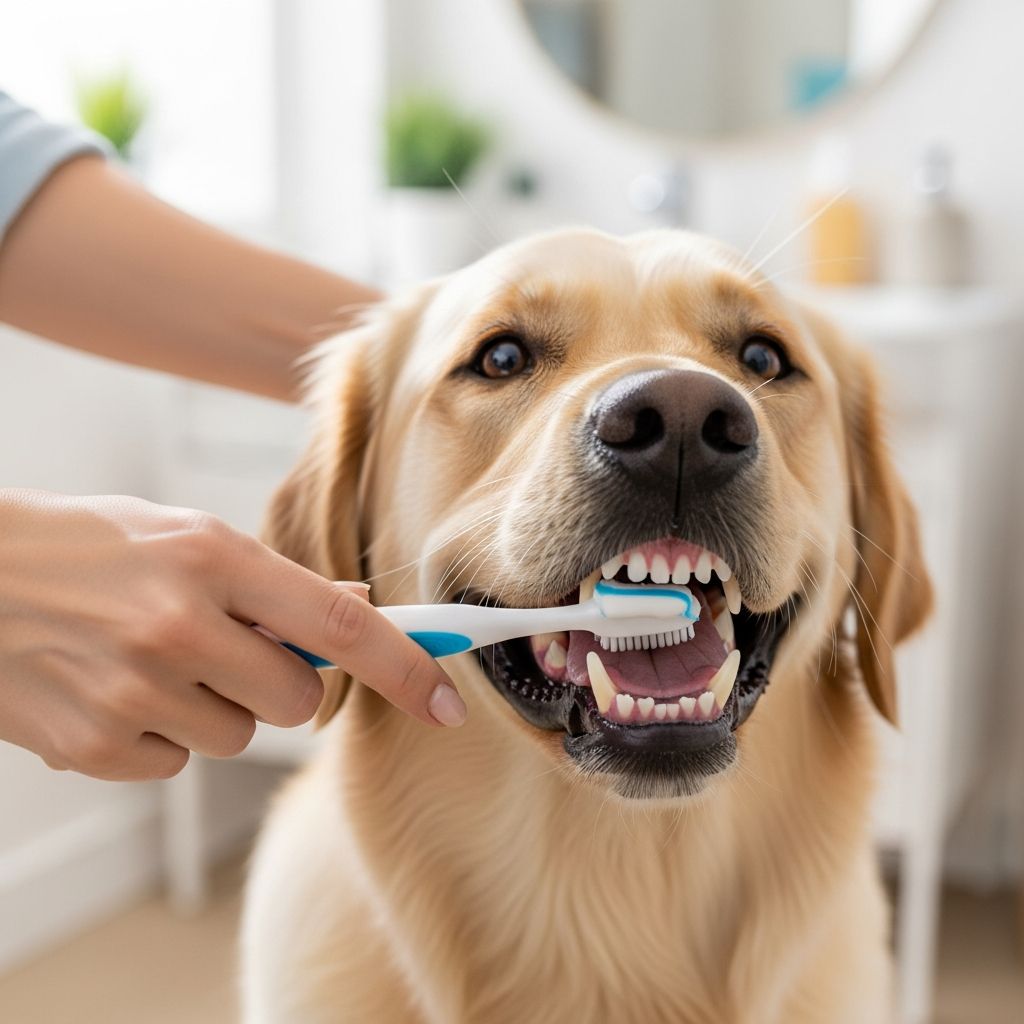
Regular oral hygiene is crucial for dogs, just as it is for humans, to ward off plaque accumulation and painful dental conditions. Brushing your dog’s teeth stands out as the gold standard method endorsed by veterinary experts for maintaining clean teeth and healthy gums at home.
The Critical Role of Oral Health in Canine Wellness
Poor dental hygiene in dogs leads to rapid plaque formation, which hardens into tartar within days, irritating gums and fostering bacteria that can enter the bloodstream. This silent threat contributes to periodontal disease, affecting up to 80% of dogs by age three, according to veterinary studies. Beyond bad breath, untreated issues cause tooth loss, chronic pain, and links to heart, liver, and kidney problems due to bacterial spread.
Investing time in daily brushing disrupts this cycle, preserving your dog’s ability to eat comfortably and enjoy life. Professional cleanings under anesthesia remain necessary annually for many pets, but home routines significantly extend time between vet visits.
Essential Tools for Effective Canine Tooth Brushing
Selecting pet-specific gear ensures safety and efficacy. Human toothpaste contains toxic ingredients like xylitol and fluoride, making dog-formulated enzymatic pastes mandatory—these break down plaque proteins without harm if swallowed.
- Dog Toothbrush: Options include dual-ended brushes, finger sleeves, or soft child-sized brushes for better reach and control.
- Enzymatic Toothpaste: Flavors like poultry or peanut appeal to dogs, encouraging cooperation.
- Supporting Aids: Dental chews, water additives, and rinses complement brushing but cannot replace it.
Stock up on these from reputable veterinary suppliers to start your routine confidently.
Building a Positive Brushing Foundation: Training Basics
Success hinges on gradual desensitization, especially for puppies or resistant adults. Rushing the process breeds aversion, so prioritize patience over perfection.
| Training Phase | Actions | Duration/Tips |
|---|---|---|
| Touch Introduction | Gently handle muzzle and lips; offer treats | 1-2 weeks, 5-10 seconds daily |
| Finger Rubbing | Massage teeth/gums with clean finger or gauze | Focus outer surfaces; praise heavily |
| Paste Tasting | Apply pea-sized paste to finger; let lick | Build flavor familiarity |
| Tool Transition | Introduce brush with paste; touch teeth briefly | Short sessions, end on high note |
Each dog progresses uniquely—some adapt in days, others weeks. Consistency and rewards forge positive associations.
Proven Step-by-Step Brushing Technique
Once comfortable, execute full sessions methodically for optimal results.
- Prepare Setup: Calm environment post-meal or walk; have treats ready.
- Position Dog: Sit or stand beside; lift lips gently with one hand.
- Apply Paste: Dab on brush; let sniff/taste first.
- Brush Strategically: 45-degree angle to gums; small circles or back-forth on outer surfaces of canines and molars—key tartar hotspots. Light pressure prevents bristle flattening.
- Three strokes per tooth section; alternate sides, 30 seconds each.
- Rinse and Reward: Wipe mouth if needed; lavish praise/treats.
Aim for all surfaces eventually, but prioritize exteriors initially to avoid gagging.
Optimal Frequency and Real-World Scheduling
Veterinarians advocate daily brushing as ideal, mirroring human habits to maximize plaque control. Twice daily prevents accumulation best, but three times weekly yields benefits as a minimum.
- Daily Ideal: Matches plaque regeneration rate.
- 3x/Week Minimum: Reduces tartar noticeably.
- Integration Tip: Pair with dinner or bedtime for routine embedding.
Track via app or calendar; gradual increases prevent burnout.
Overcoming Hurdles: Solutions for Stubborn Dogs
Not all dogs embrace brushing immediately. Address resistance proactively:
- Anxiety: Use pheromone collars; keep sessions under 60 seconds.
- Mouth Sensitivity: Start with gauze; progress slowly.
- Movement: Two-person team—one distracts with toys.
- Alternatives if Needed: Prescription chews or vet gels, but brushing superior.
If progress stalls, consult your vet for tailored strategies.
Signs Your Dog Needs Professional Dental Intervention
Home care prevents but doesn’t cure advanced issues. Watch for:
- Brown tartar buildup.
- Red, bleeding gums.
- Loose teeth or jaw pain.
- Excessive drooling or pawing at mouth.
- Changes in eating or breath odor.
Annual vet exams catch problems early; cleanings remove sub-gingival tartar brushing misses.
Enhancing Results with Complementary Strategies
Layer defenses for comprehensive care:
| Method | Benefits | Usage Notes |
|---|---|---|
| Dental Chews | Mechanical scraping; approved by VOHC | Size-appropriate; daily limit |
| Water Additives | Bacterial reduction | Enzymatic formulas only |
| Dietary Kibbles | Abrasive texture aids cleaning | Vet-recommended brands |
| Supplements | Support gum health | Consult vet first |
Brushing remains foundational; others amplify.
FAQs: Dog Dental Care Essentials
Can I use human toothpaste on my dog?
No—it’s toxic due to fluoride and xylitol. Stick to pet-safe enzymatic varieties.
How long until my dog accepts brushing?
Weeks to months; patience and positivity key.
Is brushing enough, or do I need vet cleanings?
Brushing prevents; annual professional care removes hardened tartar.
What if my dog has existing dental disease?
See vet immediately—home care supports post-treatment maintenance.
Best age to start training?
Puppyhood ideal, but adults trainable with time.
Long-Term Commitment Yields Lasting Rewards
Dedicated owners report fresher breath, shinier teeth, and fewer vet bills. Your efforts directly boost your dog’s vitality, proving dental diligence pays dividends in joy and companionship.
References
- 7 Tips for Brushing Your Dog’s Teeth At Home — Dix Hills Animal Hospital. 2023. https://dixhillsanimalhospital.com/blog/dog-teeth-brushing/
- How to brush your dog’s teeth — Colorado State University Veterinary Teaching Hospital. 2024. https://vetmedbiosci.colostate.edu/vth/animal-health/how-to-brush-your-dogs-teeth/
- Brushing Your Dog’s Teeth — VCA Animal Hospitals. 2024. https://vcahospitals.com/know-your-pet/brushing-teeth-in-dogs
- What are the Benefits of Brushing a Dog’s Teeth? — Animal Dental AZ. 2023. https://animaldentalaz.com/benefits-of-brushing-a-dogs-teeth/
- 4 Most Important Ways to Care for Your Dog’s Teeth — Boulder Vet. 2024. https://bouldervet.com/blog/4-most-important-ways-to-care-for-your-dogs-teeth/
- How to Brush Your Dog’s Teeth — Purina US. 2024. https://www.purina.com/articles/dog/health/routine-care/how-to-brush-dogs-teeth
- How to Brush Your Dog’s Teeth – February 2025 — Cornell University Riney Canine Health Center. 2025-02-01. https://riney.vet.cornell.edu/member-benefits-health-tips/how-to-brush-your-dogs-teeth-feb-2025
Similar Articles








Read full bio of Sneha Tete