

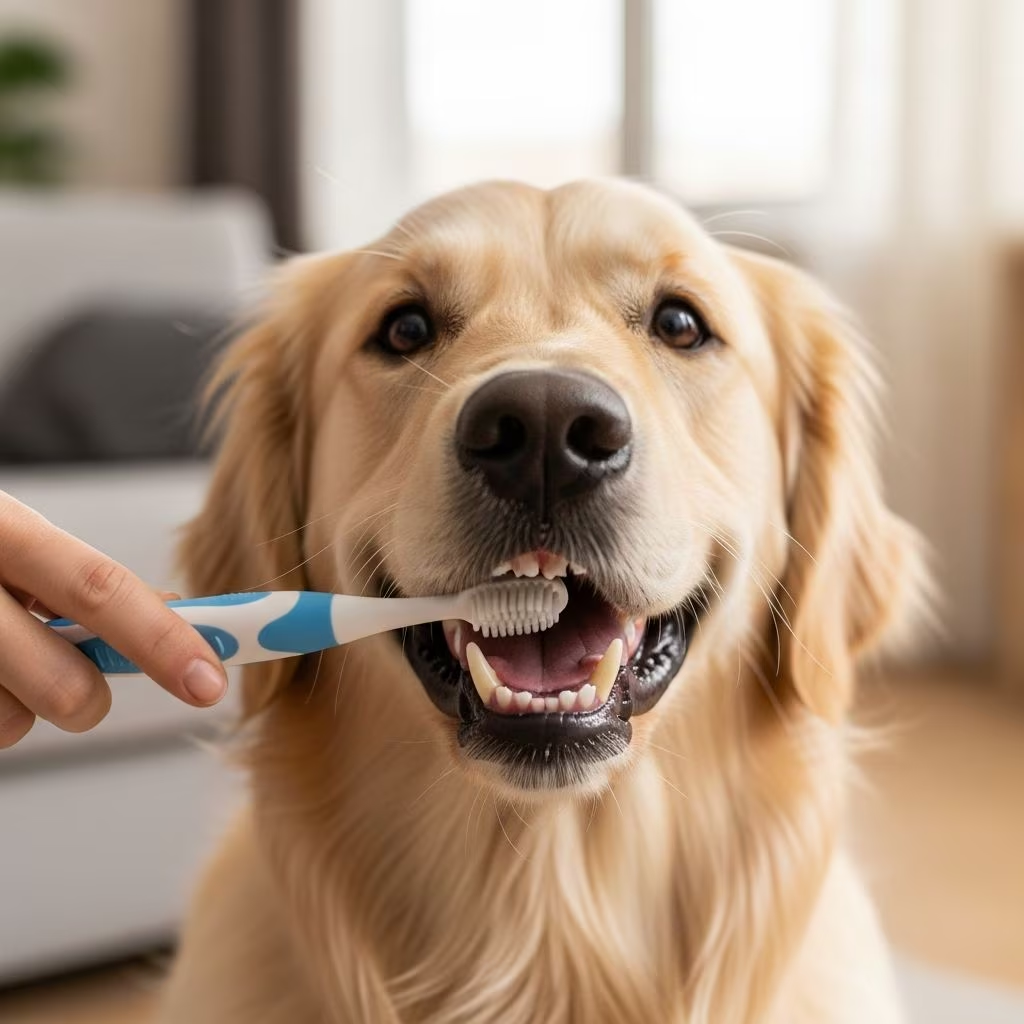
Regular dental maintenance stands as a cornerstone of canine wellness, directly influencing not just oral comfort but overall vitality. By committing to consistent tooth brushing, pet owners can significantly curb the onset of plaque accumulation and tartar formation, which affect the majority of dogs by age three. This practice disrupts bacterial films on teeth, averting gum inflammation and more severe conditions that demand veterinary intervention.
The Critical Role of Oral Hygiene in Canine Health
Dogs encounter dental challenges akin to humans, where unchecked plaque evolves into hard tartar, fostering periodontal disease. This progression irritates gums, leads to tooth loss, and permits bacteria to infiltrate the bloodstream, potentially complicating heart, liver, and kidney functions. Veterinary authorities emphasize that proactive brushing mitigates these risks effectively.
Statistics from veterinary dental experts reveal that daily brushing removes plaque before it mineralizes, preserving tooth enamel and supporting gum integrity. Brushing at least three times weekly serves as a baseline, though once or twice daily yields superior outcomes in staving off calculus buildup. Such diligence proves more economical than remedial treatments like extractions or surgeries under anesthesia.
- Reduces bacterial spread to vital organs, lowering systemic disease risks.
- Alleviates bad breath, a common early indicator of oral distress.
- Enhances chewing efficiency, vital for nutrition intake.
- Boosts confidence through pain-free smiling and play.
Recognizing Signs of Emerging Dental Distress
Early detection empowers timely action. Watch for persistent foul breath, visible yellow-brown deposits on teeth, reddened or receding gums, loose or fractured teeth, excessive drooling, pawing at the mouth, or reluctance to eat hard kibble. These symptoms signal advancing periodontal issues, where professional assessment becomes essential prior to home care initiation.
Bleeding during gentle brushing may indicate inflamed gums, warranting a vet visit if persistent. Dropped food or facial swelling further underscores urgency. Routine check-ups, paired with home efforts, form a robust defense strategy.
Essential Tools for Effective Canine Tooth Brushing
Selecting appropriate gear ensures safety and efficacy. Opt for soft-bristled brushes designed for pets—adult or child-sized toothbrushes work well, or silicone finger brushes for beginners. These provide mechanical plaque disruption without harming enamel or gums.
Enzymatic toothpastes formulated for dogs are non-foaming, flavored appealingly (poultry, beef, mint), and contain enzymes that break down bacterial proteins. Never use human toothpaste, as its fluoride and foaming agents pose toxicity risks.
| Tool Type | Benefits | Best For |
|---|---|---|
| Soft Pet Toothbrush | Precise plaque removal at gumline | Daily full-mouth sessions |
| Silicone Finger Brush | Gentle massage, easy control | Training newbies or sensitive dogs |
| Enzymatic Toothpaste | Biological breakdown of plaque | All dogs, flavor variety |
| Dental Chews (VOHC-approved) | Supplemental scraping action | Between brushes |
Incorporate Veterinary Oral Health Council (VOHC)-sealed chews or rinses for augmented care, complementing brushing without replacing it.
Building a Positive Brushing Foundation Step-by-Step
Patience transforms resistance into routine. Begin during puppyhood for easiest adoption, but older dogs adapt with gradual exposure over weeks.
- Familiarize with Touch: Daily, gently rub fingers along outer teeth and gums. Reward lavishly with treats and praise to forge positive links. Limit to 10 seconds initially.
- Introduce Flavors: Let your dog sample pet toothpaste on your finger. Poultry or peanut butter varieties entice most pups.
- Tool Introduction: Present the brush sans paste; allow sniffing and licking. Pair with play or snacks.
- First Strokes: Apply pea-sized paste to brush, lift lips, and massage front canines in circular motions at 45 degrees to gums. Focus on outer surfaces where plaque thrives.
- Expand Coverage: Progress to cheek teeth, then inner surfaces, one quadrant per session. Sessions grow from 20 seconds to 2 minutes.
Consistency shines: Align with meals or your routine, like post-dinner bathroom time, fostering pack-like bonding. Calm tones and secure positioning—lap for small breeds, floor for larger—minimize stress.
Proven Techniques for Thorough Cleaning
Master the mechanics: Angle brush 45 degrees toward gumline, employing small circles or back-and-forth strokes. Light pressure suffices; target plaque hotspots—canines and molars. Divide mouth into quadrants: upper/lower left/right, tackling one fully before advancing.
For lower teeth, tilt head gently backward while stabilizing jaws. Upper teeth access via lip lifts with free hand. Short, frequent sessions trump marathon attempts. Praise continuously; end with premium rewards to cement enthusiasm.
- Use soothing voices to maintain relaxation.
- Monitor for resistance; regress steps if needed.
- Involve family for fun, shared responsibility.
If bleeding occurs mildly, continue; heavy or consistent flow signals vet consultation.
Enhancing Home Care with Complementary Strategies
Brushing anchors a holistic regimen. VOHC-approved chews daily scrape residues; water additives with enzymes curb bacteria. Specialized diets promote mechanical cleansing. Avoid DIY remedies lacking evidence.
Annual professional Comprehensive Oral Health Assessment and Treatment (COHAT)—under anesthesia with x-rays, scaling, polishing—complements home efforts, catching sub-surface issues. Frequency adjusts per risk: high-tartar breeds need semi-annually.
Frequently Asked Questions
How often should I brush my dog’s teeth?
Daily is ideal; minimum three times weekly prevents tartar effectively.
Can puppies undergo brushing?
Yes, start post-weaning around 8 weeks, building lifelong habits.
What if my adult dog resists fiercely?
Proceed ultra-slowly, regressing to touch-only; consult trainers or vets for severe cases.
Is human toothpaste safe?
No—toxic ingredients like xylitol and fluoride harm dogs; use pet-specific only.
Does bad breath always mean dental disease?
Often yes, but diet or GI issues contribute; vet exams confirm[10].
Long-Term Commitment Yields Lifelong Rewards
Dedicated owners witness transformed health: fresher breath, robust gums, fewer vet bills. Breeds like small ones or brachycephalics face heightened risks, amplifying brushing’s value. Track progress via photos; adjust per vet feedback. Your vigilance ensures your companion thrives pain-free.
References
- Brushing Your Dog’s Teeth: Tips and Tricks — Montana Pet Dentist. 2023. https://montanapetdentist.com/tips-for-getting-your-dog-used-to-toothbrushing/
- Brushing Your Dog’s Teeth — VCA Animal Hospitals. 2024. https://vcahospitals.com/know-your-pet/brushing-teeth-in-dogs
- What are the Benefits of Brushing a Dog’s Teeth? — Animal Dental AZ. 2023. https://animaldentalaz.com/benefits-of-brushing-a-dogs-teeth/
- How to brush your dog’s teeth — Colorado State University Veterinary Teaching Hospital (.edu). 2024. https://vetmedbiosci.colostate.edu/vth/animal-health/how-to-brush-your-dogs-teeth/
- Tips And Tricks For Brushing A Dog’s Teeth — Wellness Pet Food. 2023. https://www.wellnesspetfood.com/blog/tips-and-tricks-for-brushing-a-dogs-teeth/



