

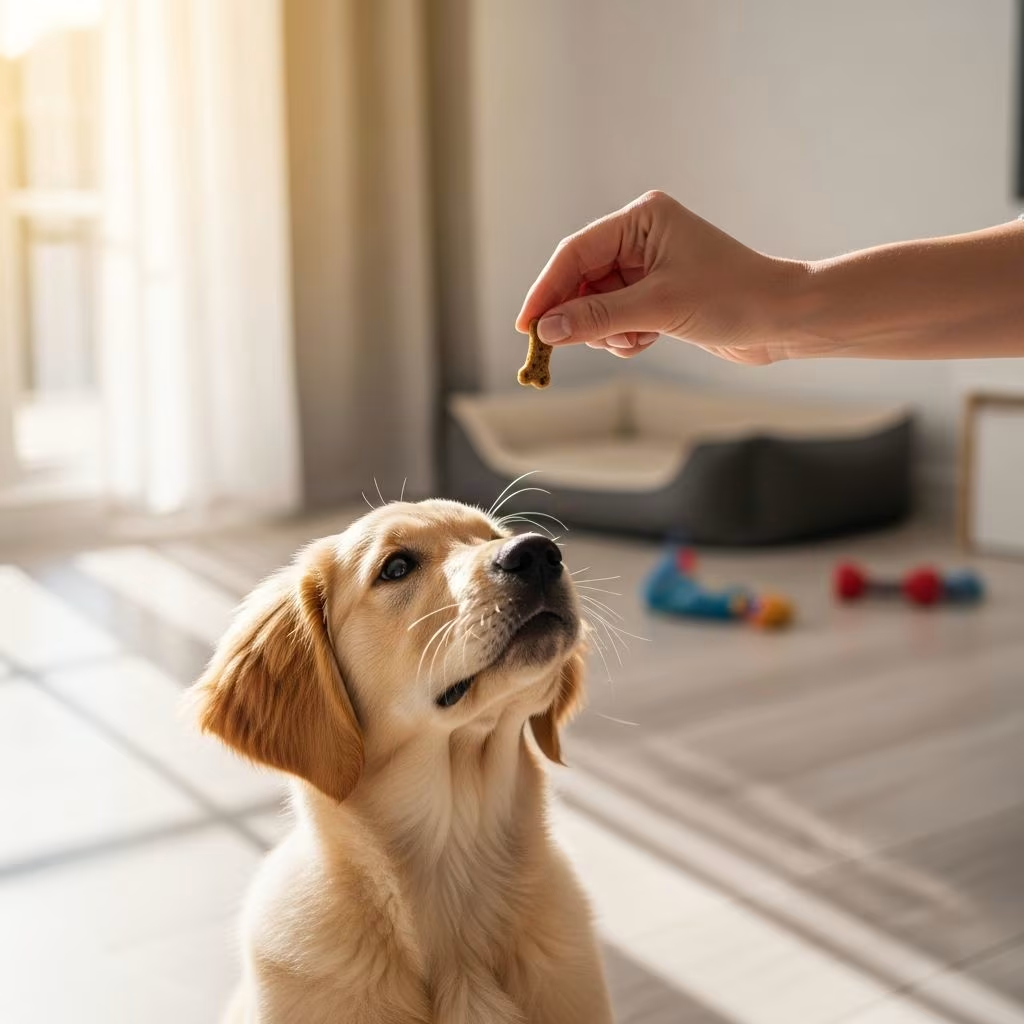
Teaching your dog basic cues forms the foundation of a harmonious relationship and ensures safety in various situations. This guide provides a comprehensive approach to training, emphasizing positive reinforcement, consistency, and patience to help dogs of all ages learn commands like sit, stay, come, down, and heel effectively.
Why Basic Cues Matter for Every Dog Owner
Obedience training goes beyond tricks; it promotes safety, reduces behavioral issues, and enhances communication between you and your pet. Commands such as sit prevent jumping on guests, while come ensures your dog returns during off-leash walks, potentially averting accidents. Research from animal behavior experts highlights that dogs trained with clear cues exhibit fewer destructive tendencies and adapt better to new environments.
Starting early with puppies yields the best results, but adult dogs can learn too. Consistency across family members prevents confusion, and short daily sessions—ideally 5-15 minutes—keep dogs engaged without overwhelming them.
Essential Preparation Before Training Begins
Success hinges on readiness. Gather high-value treats like small pieces of chicken or cheese, a clicker for precise marking, and a quiet space free from distractions. Choose one-word cues to avoid overload: “sit,” “stay,” “come,” “down,” and “heel” cover core needs.
- Select rewards wisely: Use soft, smelly treats dogs love, saving meals for training motivation.
- Charge a marker: Pair a clicker sound or word like “yes” with treats repeatedly until your dog anticipates rewards.
- Set a schedule: Train before meals when hunger boosts focus, limiting sessions to avoid fatigue.
Family alignment is crucial—everyone must use the same words and rules to reinforce learning.
Step-by-Step: Teaching the Sit Cue
The sit command is the easiest entry point, teaching impulse control. Hold a treat above your dog’s nose, move it back over their head slowly. Their rear will naturally drop as they follow. Mark the behavior with your clicker or word and reward immediately.
- Practice 5-10 reps per session in a distraction-free room.
- Once reliable, add the verbal cue just before the lure.
- Fade the treat by using praise or toys intermittently.
Common pitfalls include pushing the hindquarters down, which teaches reliance on physical guidance rather than the cue. Within days, most dogs respond to “sit” on voice alone.
Building Reliability with the Stay Command
Stay builds on sit, teaching patience. With your dog sitting, say “stay” while raising your palm like a stop sign. Step back one foot, wait 2 seconds, then return and reward if they hold position.
| Progression Level | Duration | Distance | Distractions |
|---|---|---|---|
| Beginner | 2-5 seconds | 1 foot | None |
| Intermediate | 10-30 seconds | 3-5 feet | Mild (toys nearby) |
| Advanced | 1+ minutes | 10+ feet | High (people, noises) |
Gradually increase challenges. If they break, calmly reset without scolding—punishment erodes trust. Practice daily for a week to solidify.
Mastering Recall: The Come Command
Recall is lifesaving, especially outdoors. Start indoors on a long leash: say your dog’s name excitedly followed by “come,” then back away encouragingly. Reward lavishly upon arrival.
- Use a happy tone to make coming fun.
- Never call for unpleasant events like baths.
- Practice in increasing distractions, always rewarding heavily at first.
Pro tip: Run backward or squeak a toy to build enthusiasm. Aim for 100% response before off-leash trials.
Teaching Down for Calm Behavior
Down encourages relaxation in stimulating settings. From sit, lure with a treat from nose to floor between paws, saying “down.” Mark and treat when elbows hit the ground.
Variations for stubborn dogs: Use a gentle chest press after luring or capture natural downs by rewarding spontaneous ones. Sessions of 30 minutes every other day build duration.
Leash Walking and Heel Mastery
Loose-leash walking prevents pulling. Use a front-clip harness and flat leash. Reward for staying at your side with treats every few steps, introducing “heel”.
- Stop walking if they pull; resume when slack.
- Practice “okay” to release for sniffing.
- Train in low-distraction areas first, progressing to streets.
Consistency turns chaotic walks into enjoyable outings within weeks.
Positive Reinforcement: The Heart of Effective Training
Focus on rewards over corrections. Food drives quick learning, transitioning to life rewards like play or walks. Timing is key—mark within 1 second of the behavior.
Avoid common errors: Repeating cues (say once), multi-tasking during sessions, or inconsistent rules. Track progress in a journal to celebrate milestones.
Overcoming Training Challenges
Dogs ignore cues? Increase treat value or reduce distractions. High-energy breeds need more exercise first. Puppies under 8 weeks lack focus—play instead.
- Distracted dog: Return to basics indoors.
- Fearful response: Use softer lures, no pressure.
- Regression: Shorten sessions, rebuild gradually.
Daily Integration and Proofing Cues
Embed training into life: Ask for sits before meals, stays at doors. Vary locations—kitchen to park—to generalize skills. Group classes add socialization.
Maintenance: Randomize rewards to prevent treat dependency. Test in real scenarios like vet visits.
Tools and Resources for Long-Term Success
Invest in quality harnesses, clickers, and varied treats. Apps track sessions; books from certified trainers deepen knowledge. Professional help for aggression or severe issues.
Frequently Asked Questions
How long until my dog learns a new cue?
Basics like sit take 1-7 days with daily practice; complex ones like heel may need weeks. Patience varies by breed and age.
Can older dogs learn new tricks?
Yes! Adults respond well to positive methods, often faster due to maturity.
What if my dog only obeys with treats?
Fade treats gradually, using praise and play. Ensure 80% success before thinning rewards.
Is a clicker necessary?
No, but it sharpens timing. A verbal marker works too.
Should I use punishment?
Avoid it—positive methods build confidence without fear.
Advanced Tips for Polished Obedience
Chain cues: Sit-stay-come. Add distance, duration, distractions systematically. Games like fetch incorporate commands for fun reinforcement.
Monitor body language: Yawning signals stress; adjust pace. Celebrate your dog’s unique pace for a joyful journey.
References
- 5 Dog Training Tips for Beginners — Open Farm. 2023. https://openfarmpet.com/blogs/news/dog-training-tips-for-beginners
- Dog Training 101: Basic Training Tips for Dogs and Puppies — CareCredit. 2024. https://www.carecredit.com/well-u/pet-care/how-to-train-your-dog/
- The Basics of Training Your Dog — University of Wisconsin 4-H Extension. 2021-05-01. https://4h.extension.wisc.edu/files/2021/05/The-Basics-of-Training-Your-Dog.pdf
- Dog Training 101 Ep. 1: How To Get Started with Training — 3 Lost Dogs. 2023. https://www.3lostdogs.com/dog-training-101-ep-1-how-to-get-started-with-training/
- Dog Training For Dummies Cheat Sheet — Dummies.com. 2024. https://www.dummies.com/article/home-auto-hobbies/pets/dogs/training/dog-training-for-dummies-cheat-sheet-208990/
- How to Teach The First 7 Things To Your Dog — Zak George’s Dog Training Revolution (YouTube). 2023. https://www.youtube.com/watch?v=FG9xSgN86BM
- How to Train Your Dog & Top Training Tips — RSPCA. 2025. https://www.rspca.org.uk/adviceandwelfare/pets/dogs/training
- How to Train a Dog & Dog Obedience Training — American Kennel Club. 2026. https://www.akc.org/expert-advice/training/



