
Mastering Dog Coat Care Essentials
Unlock the secrets to a healthy, shiny dog coat with expert grooming tips tailored to every fur type and lifestyle.
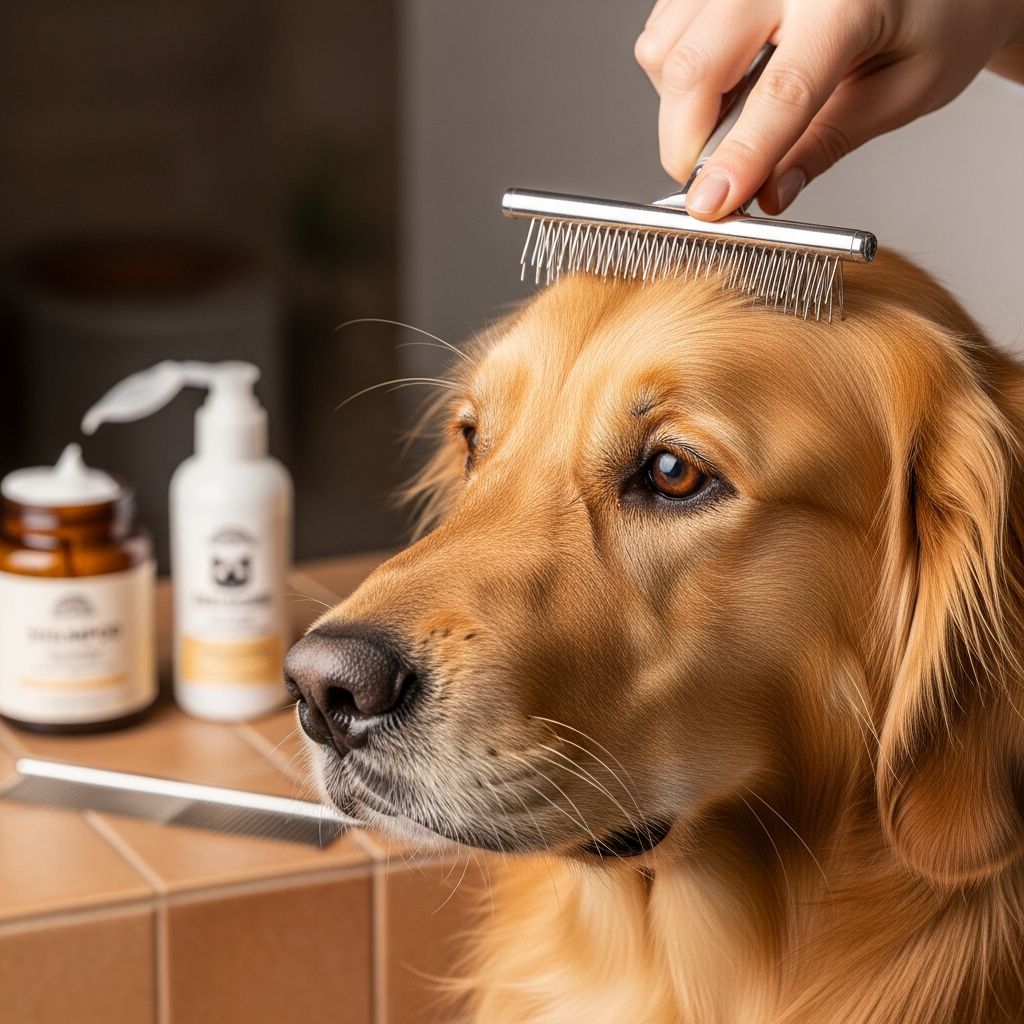
A well-maintained coat is more than aesthetics; it signals robust health, protects against environmental hazards, and fosters bonding between pet and owner. Proper grooming distributes natural oils, removes debris, and detects issues early, ensuring your dog’s comfort and vitality.
Recognizing Different Dog Coat Varieties
Dogs exhibit diverse coat structures, each demanding unique maintenance to thrive. Understanding these variations forms the foundation of effective care.
- Smooth or Short Coats: Found in breeds like Labrador Retrievers and Beagles, these lie flat against the skin with minimal length. They shed steadily but resist matting.
- Double or Medium Coats: Common in Huskies and Golden Retrievers, featuring a dense undercoat for insulation topped by a coarser guard hair. Heavy shedding occurs seasonally.
- Long or Silky Coats: Seen in Afghan Hounds and Yorkshire Terriers, these flow luxuriously but tangle easily without daily attention.
- Curly or Wavy Coats: Typical of Poodles and Labradoodles, they trap moisture and debris, necessitating frequent detangling to preserve curl patterns.
- Wire or Rough Coats: Harsh textures in breeds like Wire Fox Terriers require specialized tools to hand-strip dead hairs and maintain grip.
- Hairless or Sparse Coats: Breeds such as Chinese Cresteds focus care on skin hydration rather than fur management.
Identifying your dog’s coat type guides tool selection and frequency, preventing common pitfalls like irritation or overgrowth.
Essential Grooming Tools for Every Coat
Equipping yourself with appropriate implements simplifies routines and minimizes discomfort. Quality tools enhance efficiency while safeguarding skin.
| Coat Type | Recommended Tools | Primary Use |
|---|---|---|
| Smooth | Rubber curry brush, grooming mitt | Loose hair removal, oil distribution |
| Double | Slicker brush, undercoat rake, wide-tooth comb | Shedding control, tangle prevention |
| Long | Pin brush, slicker brush, detangling comb | Knot removal, smoothness |
| Curly | Slicker brush, wide-tooth comb | Detangling without frizz |
| Wire | Stripping knife, slicker brush | Dead hair extraction, texture upkeep |
| Hairless | Soft cloth, hypoallergenic wipes | Skin moisturizing, dirt removal |
Invest in durable, breed-specific options. For instance, undercoat rakes excel during molting but limit sessions to avoid skin abrasion.
Brushing Routines Tailored to Coat Types
Consistent brushing stands as the cornerstone of coat health, promoting circulation and revealing anomalies like lumps or parasites.
Smooth Coats
Weekly sessions suffice using a grooming mitt. Brush against growth to lift debris, then with the grain for shine. This stimulates sebaceous glands effectively.
Double Coats
Brush 3-4 times weekly, intensifying during sheds. Start with a slicker for surface, follow with rake for undercoat, ending with comb. Limit rake use to prevent guard hair damage.
Long Coats
Daily vigilance prevents mats. Section fur, working from ends upward with pin brush. Focus on armpits, groin, and ears where tangles form.
Curly Coats
Gentle daily brushing maintains definition. Slicker followed by wide comb; avoid pulling to preserve elasticity.
Wire Coats
Bi-weekly stripping with knife removes dead wires, promoting new growth. Brush routinely to clear debris.
Hairless Coats
Weekly massages with oils replace brushing, preventing dryness.
Always check for burrs post-outings, as they exacerbate mats when wet.
Bathing Best Practices for Healthy Fur
Bathing cleanses but must balance to preserve oils. Over-bathing dries skin, prompting itchiness.
- Bathe smooth coats monthly or as soiled.
- Double coats: Quarterly, unless active.
- Long/curly: Bi-monthly with conditioners.
- Wire/hairless: Sparingly, emphasizing moisturizers.
Dilute dog-specific shampoos; lather thoroughly before 5-10 minute contact for medicated types. Rinse completely with lukewarm water to avert residue. Post-bath, towel-dry gently; air-dry doubles to avoid undercoat matting.
Advanced Techniques: Trimming and Stripping
Beyond basics, trimming shapes and stripping renews. Consult professionals for intricate clips, but home maintenance aids.
For long coats, trim feet and sanitary areas monthly. Wire coats benefit from hand-stripping to stimulate follicles. Use blunt scissors for safety; never near face without expertise.
Nutrition and Supplements for Luster
Internal health manifests externally. Omega-3 fatty acids from fish oil enhance shine; balanced diets with biotin support growth. Consult vets before supplements to match needs.
Spotting and Resolving Coat Problems
Daily inspections catch dullness, flaking, or bald spots early. Allergies manifest as hot spots; parasites cause scratching. Mats irritate skin, risking infection—shave professionally if severe.
- Dull Coat: Increase omegas, brush more.
- Excess Shedding: Seasonal; deshedding tools help.
- Matting: Detangle promptly; condition heavily.
- Irritation: Vet check for allergies or fleas.
Seasonal Adjustments for Optimal Care
Summer demands cooling baths; winter preserves oils with reduced washing. Shedding peaks trigger intensive brushing.
Building a Grooming Routine Calendar
| Frequency | Activity | All Coats |
|---|---|---|
| Daily | Inspection/Brush (long/curly) | Quick check |
| Weekly | Full groom | Smooth/hairless |
| Bi-weekly | Deep clean/strip | Double/wire |
| Monthly | Bathe/trim | All |
Frequently Asked Questions
How often should I bathe my dog?
Depends on coat and activity; generally every 4-6 weeks to avoid oil stripping.
Can I use human shampoo on my dog?
No—pH mismatch causes dryness. Opt for pet formulas.
What if my dog hates grooming?
Start short sessions with treats; use positive reinforcement.
How do I remove tough mats?
Apply conditioner, comb gently; seek pros for deep ones.
Does diet affect coat quality?
Yes—nutrient-rich food promotes shine and strength.
Pro Tips for Long-Term Coat Vitality
- Combine grooming with health checks: eyes, ears, nails.
- Choose hypoallergenic products for sensitive skin.
- Professional grooming quarterly maintains standards.
- Environment-proof: Boots for rough terrain, coats for cold.
Consistent care transforms grooming into enjoyable rituals, yielding resilient, radiant coats that reflect your dedication.
References
- Grooming and Coat Care for Your Dog — VCA Animal Hospitals. 2023. https://vcahospitals.com/know-your-pet/grooming-and-coat-care-for-your-dog
- Dog Grooming Tips — ASPCA. 2024. https://www.aspca.org/pet-care/dog-care/dog-grooming-tips
- Dog Grooming 101: Understanding the Basics of Coat Types — Dogpak. 2024. https://dogpak.com/blogs/articles/dog-grooming-101
- How to groom your dog’s coat — Omlet. 2023. https://www.omlet.us/guide/dogs/general_hygiene/how_to_groom_your_dogs_coat/
- Let’s Talk About Coats and Care — Barkbus. 2024. https://www.barkbus.com/blog/lets-talk-about-coats-and-care
Similar Articles








Read full bio of medha deb




