

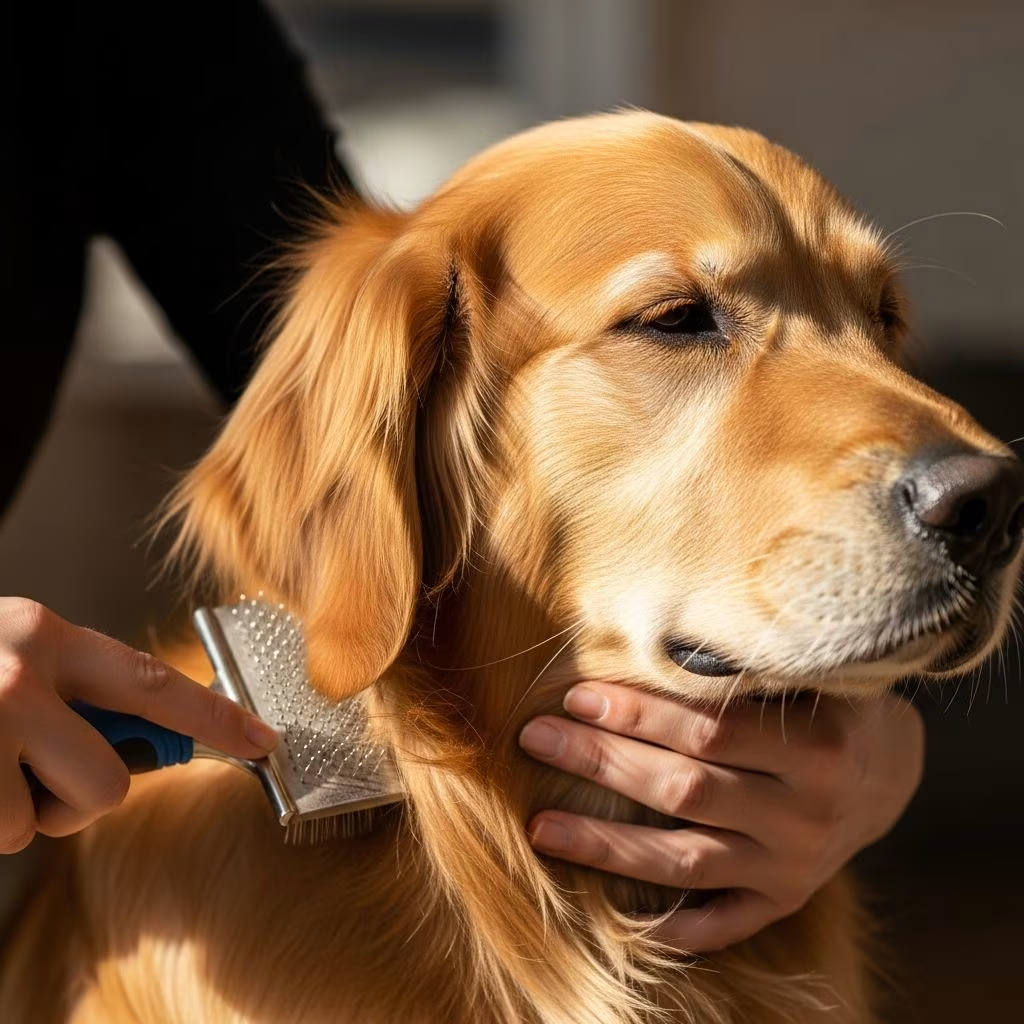
Brushing your dog goes beyond maintaining a tidy appearance; it serves as a cornerstone of preventive health care that promotes skin vitality, coat luster, and overall well-being. Regular sessions remove loose fur, stimulate circulation, and foster a deeper connection between you and your pet. This guide delves into practical strategies, tool recommendations, and tailored approaches to make grooming effortless and rewarding.
Why Brushing Matters for Your Dog’s Health
Consistent brushing distributes the skin’s natural oils evenly, resulting in a glossy coat while preventing dryness and flakiness. It also exfoliates dead skin cells, reducing the risk of irritations or infections hidden beneath the fur. For dogs with dense undercoats, this practice aids temperature regulation by clearing away insulating dead hair during seasonal changes.
Health monitoring becomes routine during brushing, allowing early detection of parasites like fleas or ticks, unusual lumps, or sore areas that might otherwise go unnoticed. Mats and tangles, if ignored, can pinch the skin, leading to discomfort or bacterial growth. By addressing these proactively, you safeguard your dog’s comfort and mobility.
- Enhances blood flow through gentle massage-like action, supporting skin renewal.
- Minimizes household shedding by capturing loose hairs before they scatter.
- Builds positive associations with handling, easing future vet or groomer visits.
Selecting the Right Brushing Tools
Choosing appropriate tools depends on your dog’s coat type, ensuring efficiency without causing harm. A slicker brush excels at capturing undercoat fur and detangling light knots, while rubber curry brushes suit short-haired breeds by gathering surface debris through a massaging motion.
For longer or double-coated dogs, incorporate a wide-toothed comb to gently separate mats, followed by a pin brush for finishing. Avoid tools with overly sharp pins that could scratch delicate skin. Invest in ergonomic handles for prolonged sessions without fatigue.
| Coat Type | Recommended Tools | Primary Benefits |
|---|---|---|
| Short/Smooth | Curry brush, soft bristle | Dirt removal, oil distribution |
| Medium/Wavy | Slicker, medium comb | Debris capture, light detangling |
| Long/Silky | Pin brush, wide comb | Tangle prevention, shine enhancement |
| Double-Coated | Undercoat rake, slicker | Shedding control, mat removal |
Preparing Your Dog for Successful Brushing
Start with a calm environment to set a relaxed tone. Place a towel or mat beneath your dog to contain shed fur, and have treats handy for positive reinforcement. Allow your pet to investigate the tools first, rewarding curiosity to build trust.
For puppies or sensitive dogs, begin with short sessions, gradually increasing duration. Secure larger dogs on a stable surface with grooming loops if table-grooming, or keep smaller ones on your lap for reassurance. Always brush before bathing, as dry fur handles more easily without slippage.
Step-by-Step Brushing Routine
Follow a systematic order to cover all areas thoroughly, always aligning with the natural hair growth direction to avoid discomfort.
- Head and Neck: Gently lift ears and brush from crown downward, focusing on featherings around cheeks and throat.
- Back and Sides: Use long strokes from shoulders to hips, lifting fur sections to reach the undercoat.
- Chest and Belly: Support the chest while brushing outward; be extra gentle on this sensitive zone.
- Legs and Paws: Brush feathers between toes and up the limbs, checking pads for debris.
- Tail and Rump: Circle the base and tail tip, addressing dense fur buildup.
- Finishing Pass: Comb through fully to confirm smoothness, rewarding throughout.
Apply moderate pressure for a massaging effect that invigorates the skin. Pause for breaks if your dog shows signs of restlessness, resuming only when settled.
Tailoring Techniques to Coat Types
Short-Haired Breeds
These dogs require minimal frequency, often weekly, using a rubber brush to boost oil spread and remove dust. Quick sessions suffice to maintain their sleek profile.
Long or Silky Coats
Daily attention prevents tangles; use a dryer on low heat post-brush to fluff and align strands. Moisturizing products enhance resilience without weighing down the fur.
Double and Curly Coats
Frequent de-shedding with rakes captures blowouts effectively, especially in spring and fall. Curly types demand combing to avert painful knots that trap moisture.
Overcoming Common Brushing Challenges
Wiggly dogs benefit from high-value treats and verbal praise; pair brushing with favorite activities like chew time. For heavy shedders, dedicate time during peak seasons to vacuum up fur immediately after.
Mats require patience: Start at edges with scissors if severe, then comb upward in layers. Never yank, as this erodes trust. Professional help is ideal for stubborn cases.
Integrating Brushing into Daily Life
Aim for 10-15 minutes daily for most dogs, adjusting based on coat. Track progress with photos to note improvements in shine or shedding reduction. Combine with nail trims or ear checks for a full wellness ritual that strengthens your bond.
Frequently Asked Questions
How often should I brush my dog?
Frequency varies: short coats weekly, long or shedding breeds daily. Observe shedding patterns for adjustments.
Can brushing replace bathing?
No, but it’s equally vital; it extends time between baths by keeping fur clean.
What if my dog hates brushing?
Desensitize gradually with treats, starting with favored areas like the back.
Is brushing safe for puppies?
Yes, from 8 weeks, using soft tools to acclimate them early.
Does brushing help with allergies?
It reduces dander and allergens in the home by removing them proactively.
Advanced Tips for Professional Results
Incorporate detangling sprays for tricky spots, and finish with a chamois cloth for extra polish. Seasonal deep brushes prepare for weather shifts, while post-walk sessions clear environmental grime. Monitor for changes like increased shedding, consulting vets if persistent.
References
- The benefits of brushing your furry friend — Ontario SPCA. 2021-07-26. https://ontariospca.ca/blog/the-benefits-of-brushing-your-furry-friend/
- Brushing dogs – why it is so important — LILA LOVES IT. N/A. https://lila-loves-it.com/en/magazine/brushing-dogs-why-it-is-so-important/
- The Health Benefits of Regular Grooming for Dogs — Tip Top to Tail. N/A. https://tipptotail.com/the-health-benefits-of-regular-grooming-for-dogs/
- Ask the Vet: Dog Hair, We Care! Bathing and Brushing Basics — Dogs Inc. N/A. https://dogsinc.org/blog/ask-the-vet/bathing-and-brushing-basics/
- Dog brushing routine: a step-by-step guide — Artero. N/A. https://artero.com/usa/petcare/blog/post/dog-brushing-routine-a-step-by-step-guide-duplicated
- A Guide to Brushing Your Dog — Wow Grooming. N/A. https://www.wowgrooming.co.uk/blogs/wow-grooming-blogs/brushing-your-dog
- Why You Should Brush Your Dog On A Regular Basis — Dog Pawlour. 2021-06-23. https://dogpawlour.com/2021/06/23/why-you-should-brush-your-dog-on-a-regular-basis/



