

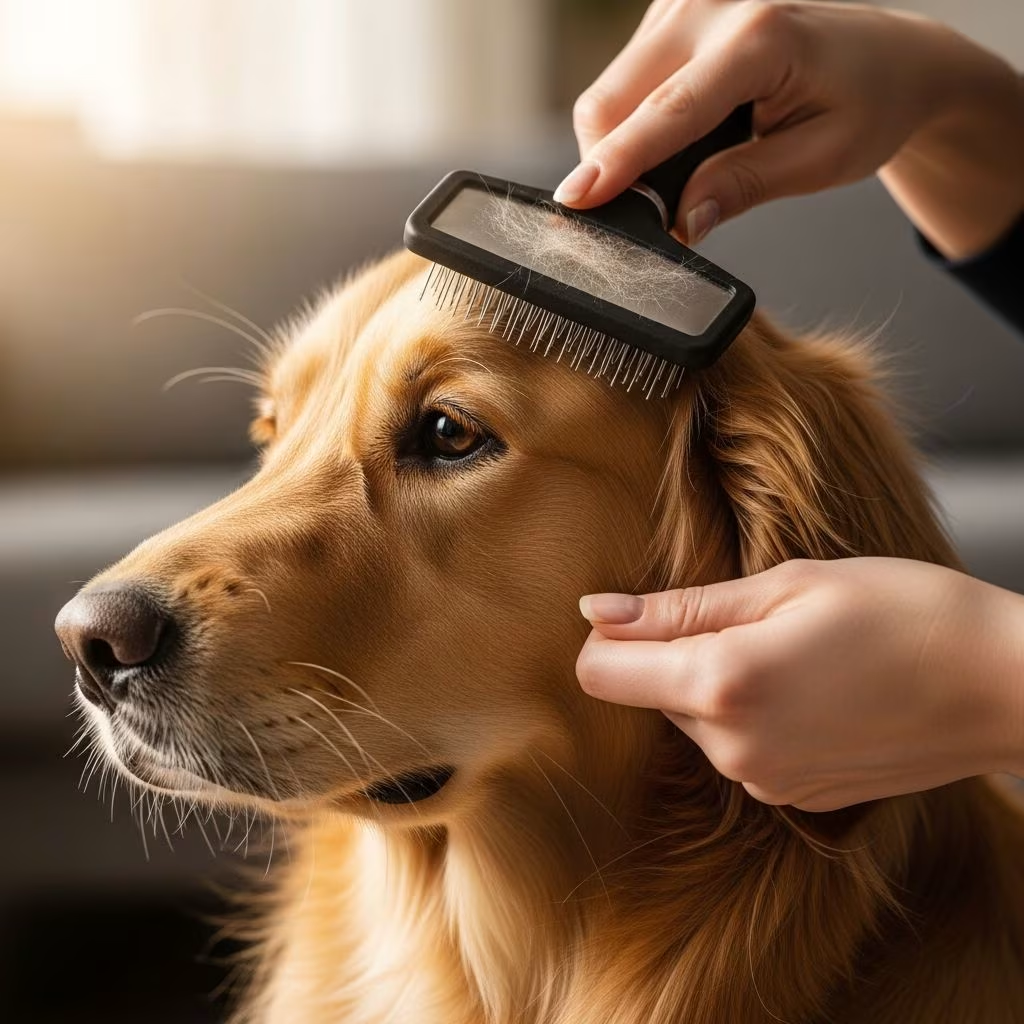
Regular brushing stands as a cornerstone of canine care, offering multifaceted advantages that extend beyond mere aesthetics. This practice not only maintains a dog’s coat in pristine condition but also supports overall skin vitality, aids in early detection of health concerns, and fosters a deeper connection between pet and owner. By incorporating structured brushing routines, dog owners can significantly enhance their pet’s well-being while minimizing common household nuisances like excessive shedding.
Why Brushing Matters for Your Dog’s Health
Brushing serves as more than a cosmetic ritual; it plays a critical role in preserving dermal integrity and promoting physiological functions. The mechanical action of a brush against the fur stimulates blood flow to the skin’s deeper layers, encouraging cellular regeneration and nutrient delivery. This process also prompts the release of natural sebum, the skin’s lubricating oil, which spreads evenly across the coat to provide a protective barrier against environmental irritants.
Furthermore, consistent grooming removes accumulated debris, dead skin cells, and loose hairs that could otherwise lead to blockages in hair follicles or painful tangles. For dogs prone to heavy shedding, such as those with double coats, this intervention drastically cuts down on fur dispersal indoors, particularly during seasonal molts in spring and fall. Health-wise, brushing unveils hidden issues like parasites, unusual lumps, or inflammation that might escape notice amid thick fur.
- Enhances **skin circulation** and sebum distribution for a glossy coat
- Removes **dead hair and dirt**, preventing matting and infections
- Regulates **body temperature** by clearing insulating undercoat
- Detects **early signs** of fleas, ticks, or injuries
- Reduces **shedding** around the home, easing cleanup
Understanding Coat Types and Their Unique Needs
Dogs exhibit a diverse array of coat structures, each demanding tailored grooming approaches to achieve optimal results. Short-haired breeds, like Beagles or Boxers, possess sleek fur that sheds minimally but benefits from tools that capture loose strands efficiently. Medium-length coats on breeds such as Labrador Retrievers require moderate stimulation to manage moderate shedding. Long or curly varieties, including Poodles and Afghan Hounds, face higher risks of tangling, necessitating frequent and gentle detangling.
Double-coated dogs, exemplified by Siberian Huskies or Golden Retrievers, feature a dense underlayer for insulation topped by coarser guard hairs. Brushing must penetrate this dual structure without damaging the protective outer layer. Recognizing these distinctions ensures that grooming efforts are effective and comfortable, avoiding undue stress on the skin.
| Coat Type | Example Breeds | Key Challenges | Ideal Frequency |
|---|---|---|---|
| Short/Smooth | Beagle, Boxer | Light shedding, dirt accumulation | 1-2 times weekly |
| Medium | Labrador, Corgi | Moderate shedding, minor mats | 2-3 times weekly |
| Long/Curly | Poodle, Shih Tzu | Matting, tangles | Daily |
| Double-Coated | Husky, Shepherd | Heavy undercoat shedding | Daily during molt |
Selecting the Perfect Brushing Tools
Choosing appropriate implements is paramount to a successful grooming session. Bristle brushes excel for short coats, effectively whisking away surface dust and loose hairs while polishing the topcoat. Slicker brushes, with their fine, bent wires, penetrate deeper into medium to long fur, dislodging mats and undercoat without snagging.
For thick or double coats, undercoat rakes or deshedding tools target the plush inner layer, pulling out dead fur during peak shedding periods. Combs, particularly wide-toothed varieties, serve as precision instruments for untangling stubborn knots, always starting from the tips to prevent pulling. Avoid universal brushes like pin types for most dogs, as they often fail to reach the skin effectively. Invest in self-cleaning models for convenience and hygiene.
- **Bristle Brush**: Best for smooth, short coats to remove loose hair
- **Slicker Brush**: Ideal for medium/long hair, mat removal
- **Rake/Deshedding Tool**: Targets undercoat in thick breeds
- **Wide-Tooth Comb**: Detangles without pain
Step-by-Step Guide to Effective Brushing
Initiate sessions when your dog is relaxed, perhaps post-walk or during a calm evening, to capitalize on their contentment. Allow sniffing of the tool first, followed by treats to associate it positively. Maintain continuous contact with your hands to reassure and monitor sensitivities.
- Position your dog comfortably on a non-slip surface; use a grooming table if available.
- Begin along the topline from head to tail base, following hair growth direction with moderate pressure.
- Progress to sides, chest, legs, and rump, lifting sections to brush underneath for thorough coverage.
- Target high-friction zones: behind ears, armpits, thighs, and tail base.
- Check with a comb: glide from skin outward; re-brush tangled spots.
- Conclude with a bristle brush polish and lavish praise/treats.
Frequency varies: daily for long/double coats, especially in shedding seasons; weekly for shorts. Sessions last 10-20 minutes to avoid fatigue.
Overcoming Common Brushing Hurdles
Resistance often stems from unfamiliarity or past discomfort. Desensitize gradually: touch sensitive areas softly, pair with high-value rewards, and limit initial sessions to 2-3 minutes. Wiggly dogs benefit from engaging games beforehand to expend energy.
Matting requires patience; section off, comb from ends inward, and apply conditioner if needed. Never cut mats hastily, as this risks nicks. Professional help suits severe cases. For anxious pups, calming aids like pheromone sprays can ease the process.
Advanced Tips for Superior Results
Elevate routines by alternating tools: slicker followed by rake for double coats, then comb verification. Brush post-bath when fur is towel-dried, not sopping, to prevent breakage. Seasonal intensification during molts—spring/fall—maximizes undercoat removal.
Monitor for irregularities: excessive scratching signals allergies; bald patches may indicate mites. These observations underscore brushing’s diagnostic value. Combine with diet rich in omega-3s for lustrous fur from within.
Building a Lifelong Grooming Bond
Grooming transcends maintenance; it nurtures trust and affection. Dogs attuned to touch from puppyhood view brushing as pampering. This ritual massages muscles, alleviating tension akin to a spa treatment, boosting endorphins for both. Consistency yields pets that eagerly anticipate sessions, transforming duty into delight.
Frequently Asked Questions (FAQs)
How often should I brush my short-haired dog?
Once or twice weekly suffices to manage light shedding and distribute oils.
Can brushing replace bathing?
Often yes, as it removes dirt and stimulates oils, reducing bath needs.
What if my dog hates brushing?
Start slow with treats, short sessions, and positive reinforcement to build tolerance.
Is it safe to brush against the hair growth?
No; always follow the direction to avoid irritating skin.
During shedding season, how much more should I brush?
Daily or more, using deshedding tools to capture undercoat effectively.
References
- The benefits of brushing your furry friend — Ontario SPCA. 2021-07-26. https://ontariospca.ca/blog/the-benefits-of-brushing-your-furry-friend/
- Brushing dogs – why it is so important — LILA LOVES IT. N/A. https://lila-loves-it.com/en/magazine/brushing-dogs-why-it-is-so-important/
- Brushing your cat or dog is essential — Dermoscent. N/A. https://www.dermoscent.com/accueil/en/nos-conseils/how-to-properly-brush-your-cat-or-dog/
- Benefits Of Brushing Your Dog’s Coat — PetWow. N/A. https://petwow.com/dog-care/benefits-of-brushing-your-dogs-coat/
- How To Brush a Dog, According to a Pro Groomer — Chewy. N/A. https://www.chewy.com/education/dog/grooming/brushing-a-dog
- Ask the Vet: Dog Hair, We Care! Bathing and Brushing Basics — Dogs Inc. N/A. https://dogsinc.org/blog/ask-the-vet/bathing-and-brushing-basics/
- Why You Should Brush Your Dog On A Regular Basis — Dog Pawlour. 2021-06-23. https://dogpawlour.com/2021/06/23/why-you-should-brush-your-dog-on-a-regular-basis/



