

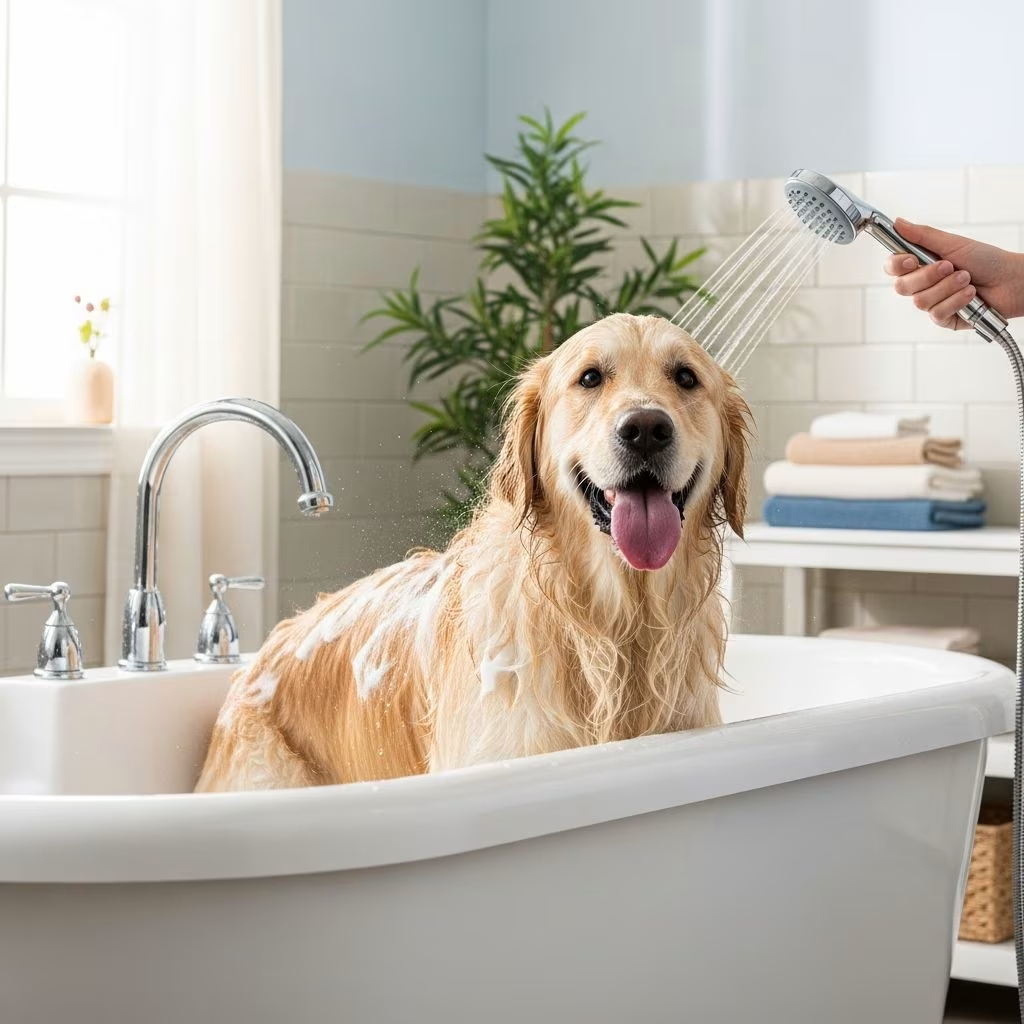
Bathing your dog at home promotes hygiene, reduces shedding, and strengthens your bond when done correctly. Proper techniques prevent skin irritation and stress, ensuring a positive experience.
Why Regular Bathing Matters for Your Dog’s Health
Dogs accumulate dirt, allergens, and odors from daily adventures, making baths essential for coat and skin maintenance. Bathing removes debris while preserving natural oils that protect the skin barrier, which research shows can recover from minor damage in 24-72 hours if handled gently. Over-bathing strips these oils, leading to dryness and itchiness, so aim for every 1-3 months depending on breed and lifestyle.
Breeds with oily coats like Labradors may need more frequent washes, while low-shedding types like Poodles benefit from brushing alone between baths. Always consult a vet for dogs with skin conditions, as medicated shampoos require specific contact times.
Essential Tools and Supplies for a Successful Bath
Gather everything beforehand to avoid mid-bath scrambles. Key items include:
- Pet-specific shampoo: pH-balanced for dogs to avoid irritation; choose oatmeal-based for sensitive skin.
- Non-slip bath mat: Prevents slips in tubs or showers, boosting your dog’s confidence.
- Gentle rinsing tool: Cup, low-pressure sprayer, or pitcher—avoid high-pressure hoses that scare pets.
- Brushes and combs: Slicker for long coats, rubber for short; detangle mats pre-bath.
- Absorbent towels or blow dryer: Microfiber towels for quick drying; low-heat dryer for thick coats.
- Treats and toys: Lick mats with peanut butter for distraction during washing.
Prep a dilution bottle for shampoos to ensure even application, and clean it after each use to prevent bacterial growth.
Choosing the Perfect Bathing Location
Select a spot based on dog size and weather. Small breeds thrive in kitchen sinks or utility tubs for easy control, while large dogs suit bathtubs or outdoor hoses in warm climates. Indoor baths offer containment; outdoors provides space but requires drainage and mild temperatures.
| Dog Size | Best Indoor Spot | Best Outdoor Spot | Pros | Cons |
|---|---|---|---|---|
| Small (<20 lbs) | Sink/Laundry tub | Bucket/Hose | Easy reach, less mess | Limited space for wriggling |
| Medium (20-50 lbs) | Bathtub | Hose area | Secure enclosure | Potential slipping |
| Large (>50 lbs) | Walk-in shower | Driveway/Yard | Room to move | Weather dependent |
Always use non-slip surfaces and supervise closely—never leave a dog unattended near water to prevent drowning risks.
Pre-Bath Preparation: Setting Up for Success
Exercise your dog beforehand with a walk or play session to tire them out, reducing resistance. Brush thoroughly to remove loose fur and mats, which tighten when wet and trap moisture against skin, fostering infections. For dense coats, detangle a day prior with gentle strokes to avoid micro-abrasions that sting under shampoo.
Create a calm atmosphere: warm room temperature, soft lighting, and soothing voices. Place toys in the tub early to associate it with fun. Enlist a helper for wiggly dogs—one to wash, one to distract with treats.
Step-by-Step Bathing Process
- Wet the coat thoroughly: Use lukewarm water (test on your wrist—warm like a baby’s bottle). Start at the neck, pouring gently from neck to tail, avoiding the head. Saturate underbelly, legs, and armpits.
- Apply shampoo strategically: Dilute and massage from neck down in circular motions with fingertips. Let sit 5 minutes for medicated types, timing with a clock. Skip eyes, ears, nose—use a damp cloth for face later.
- Rinse meticulously: Continue until water runs clear, checking armpits, groin, toes, and ears for residue. Leftover soap irritates skin, inviting bacteria. Double-rinse thick coats.
- Optional conditioner: Apply to tangled areas, rinse well for softness without greasiness.
Speak reassuringly throughout, offering treats for good behavior to build positive associations.
Handling the Face and Sensitive Areas
The face requires special care to prevent water in eyes or ears, which can cause infections. Use a soft, damp washcloth with diluted shampoo, gently wiping from inner eyes outward. Avoid direct streams; cover eyes/nose with your hand while rinsing nearby areas.
For ears, clean outer folds only—never insert anything deep. If your dog resists, tackle the face post-body rinse when they’re calmer, rewarding heavily.
Drying Techniques to Prevent Skin Problems
Excess moisture breeds hot spots and yeast infections, especially in folds. Towel-dry by pressing (not rubbing) to absorb water, starting with the body.
- Air drying: Fine for short coats in warm weather; supervise to prevent rolling in dirt.
- Towel method: Multiple microfiber towels for absorption without friction.
- Blow drying: Low/cool setting, constant motion 6 inches away. Direct heat burns skin; full drying takes 20-30 minutes for long fur.
Ensure complete dryness between toes and folds. Brush during drying to fluff the coat and distribute oils.
Frequent Mistakes and How to Avoid Them
Common pitfalls include hot water shocking the dog, incomplete rinsing causing dermatitis, and bathing matted pets leading to skin pulls. Other errors: human shampoo (disrupts pH), rough scrubbing (damages barrier), and over-bathing (dry coat).
To sidestep these:
- Test water temperature every time.
- Rinse twice as long as you shampoo.
- Brush pre-bath religiously.
- Limit baths to breed-appropriate frequency.
Tips for Dogs Who Hate Water
For bath-averse pups, desensitize gradually: sit near running water with treats, then progress to damp towels on fur. Use lick mats, toys, or peanut butter for distraction. Positive reinforcement trumps force—short, frequent sessions build tolerance.
Professional groomers offer hydro-surge baths for extreme cases, but home success comes from patience and consistency.
Breed-Specific Bathing Adjustments
Different coats demand tailored approaches:
- Short-haired (e.g., Beagles): Quick rinse-focused baths every 2 months.
- Long-haired (e.g., Huskies): Frequent brushing, baths quarterly with conditioner.
- Double-coated (e.g., Golden Retrievers): Avoid over-washing to preserve insulation; spot-clean between full baths.
- Wrinkle-faced (e.g., Bulldogs): Extra drying in folds to prevent infections.
Post-Bath Care for a Healthy Coat
After drying, apply vet-recommended leave-in conditioner or oil sprays. Regular brushing post-bath prevents mats and distributes sebum. Monitor for redness or odor, signaling vet attention.
Frequently Asked Questions (FAQs)
How often should I bathe my dog?
Every 1-3 months for most; more for active or oily-coated dogs, less for dry-skinned ones. Observe coat condition.
Can I use baby shampoo on my dog?
No—it’s not pH-balanced for canine skin, risking irritation.
What if my dog has fleas during bath?
Use flea shampoo with vet guidance; treat the environment too.
Is bathing safe for puppies?
Yes, after 8 weeks with mild puppy shampoo; keep warm and dry quickly.
How do I bathe a senior dog?
Use elevated tubs, arthritis-friendly mats, and minimal handling.
References
- How To Bathe a Dog: Expert Tips for Safe Home Grooming — PetMD. 2023-10-15. https://www.petmd.com/dog/grooming/how-to-bathe-a-dog
- How to Safely Bathe Your Dog at Home — Gardens Animal Hospital. 2024-02-20. https://www.gardensanimalhospital.com/how-to-bathe-your-dog-at-home/
- Can Bath Time be Dangerous for Pets? — The Animal Medical Center. 2016-11-30. https://www.amcny.org/blog/2016/11/30/can-bath-time-dangerous-pets/
- Safe Bathing Practices: Protecting Your Pet’s Skin — Virginia Tech Veterinary Teaching Hospital (vth.vetmed.vt.edu). 2023-05-12. https://vth.vetmed.vt.edu/animal-care-tips/bathing-tips.html
- The Ultimate Guide on How to Bathe Your Dog — Wahl USA. 2024-01-08. https://wahlusa.com/how-to/pet-grooming-guides/dog-care/bathing



