

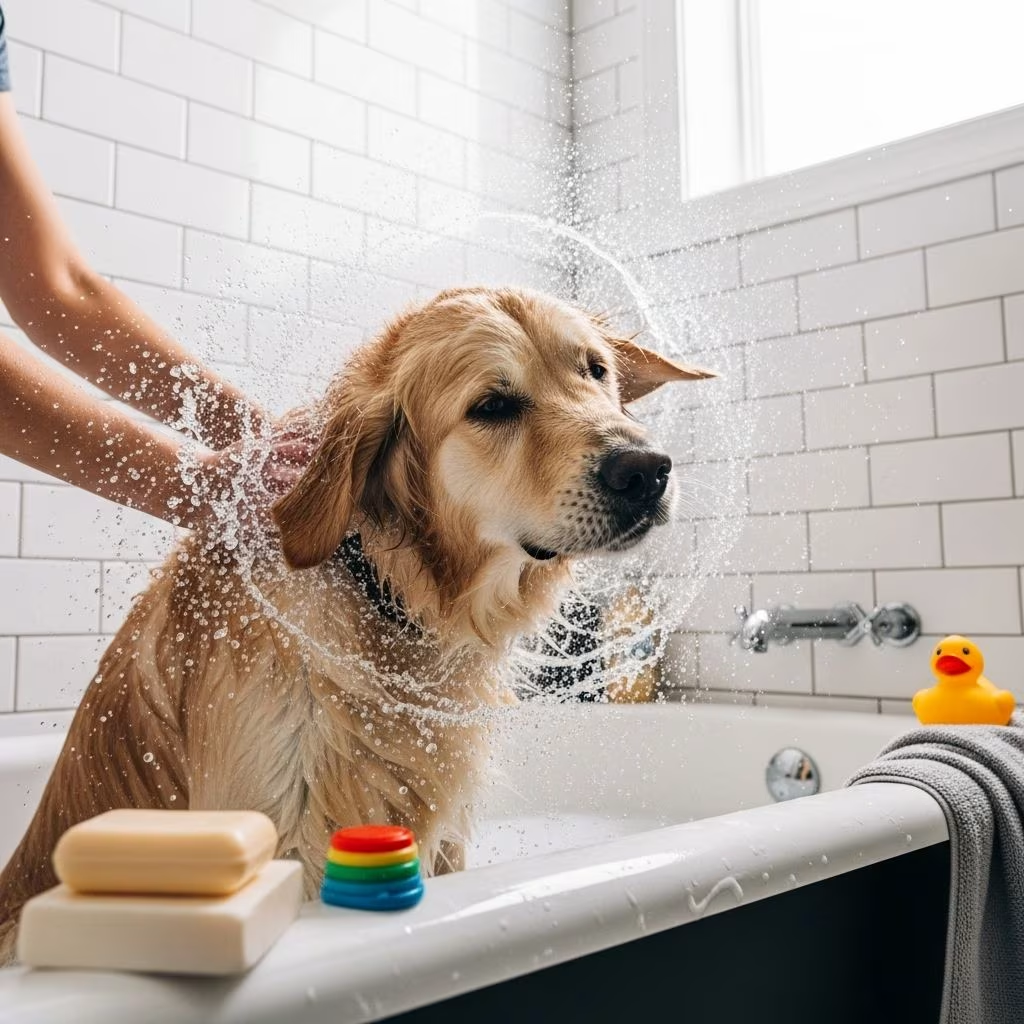
Bathing your dog keeps their coat clean, skin healthy, and reduces odors, but it requires proper preparation to avoid stress for both you and your pet. This guide provides a complete roadmap to successful home grooming sessions, drawing on proven practices for all dog sizes and breeds.
Why Regular Bathing Matters for Your Dog’s Health
A clean coat prevents skin infections, removes allergens, and promotes overall well-being. Overbathing strips natural oils, leading to dryness, while underbathing allows dirt buildup. Aim for baths every 4-6 weeks, adjusting based on breed, activity level, and environment. Short-haired dogs may need less frequent washes than long-haired ones prone to matting.
Essential Tools and Supplies for Effective Bathing
Gather everything beforehand to minimize disruptions. Key items include:
- Dog-specific shampoo: pH-balanced to avoid irritation; avoid human products.
- Conditioner: For detangling and shine, especially on longer coats.
- Detachable showerhead or handheld sprayer: Provides controlled water flow.
- Non-slip mat: Prevents slips in the tub.
- Towels or absorbent microfiber cloths: Multiple for thorough drying.
- Cotton balls: For ear protection.
- Mineral oil or eye drops: Shields eyes from soap.
- Brush and comb: For pre- and post-bath grooming.
Optional: Steel wool over the drain to catch fur, and treats for positive reinforcement.
Preparing Your Dog Mentally and Physically
Desensitize anxious dogs by introducing bath elements gradually. Start with positive associations using treats and praise during handling sessions. Touch paws, ears, and body daily, rewarding calm behavior. Brush thoroughly before bathing to remove loose fur and mats—water sets tangles like glue, complicating grooming later.
Prep ears by stuffing with cotton to block water. Apply mineral oil to eye corners for protection. Test water temperature away from your dog: lukewarm, around 100°F, mimics body heat.
Step-by-Step Bathing Process
Follow this sequence for a smooth experience:
- Secure the area: Place non-slip mat in tub or basin, fill to knee height if needed.
- Wet the coat: Start at neck, work down to tail. Use sprayer close to body for anxious dogs to feel warmth first. Soak underbelly, legs, and armpits fully.
- Apply shampoo: Dilute for better spread. Massage from neck to tail, using fingers or rubber brush for penetration to skin. Work in coat growth direction to prevent tangles. For dirty dogs, do a pre-rinse and first wash.
- Focus on tricky spots: Gently clean paws, belly, and tail base. Save face for last—use a damp cloth or sponge, avoiding eyes.
- Rinse completely: Run water clear, starting high and letting gravity aid flow. Check armpits, toes, and ears twice to remove all suds, preventing residue irritation.
Dog Size Comparison for Bathing Methods
| Dog Size | Best Location | Water Volume | Tools Needed |
|---|---|---|---|
| Small (<20 lbs) | Sink or small tub | Low (2-4 inches) | Handheld sprayer, small brush |
| Medium (20-50 lbs) | Standard bathtub | Knee-high | Detachable nozzle, multiple towels |
| Large (>50 lbs) | Outdoor hose or large tub | Full body soak | High-pressure sprayer, heavy-duty towels |
Advanced Drying Techniques to Prevent Mats
Post-rinse, let your dog shake naturally to expel water—squeeze excess first from ears, paws, and tail. Avoid rubbing long coats; instead, pat and squeeze with towels from back downward. For short coats, gentle towel-off works fine.
Use low-heat blow dryers for thick fur, keeping distance and rewarding tolerance. Air-dry in a warm, draft-free spot. Brush during drying to distribute oils and prevent clumping.
Coat-Type Specific Bathing Adjustments
- Short-haired breeds (e.g., Labs): Quick baths; focus on thorough rinsing.
- Long-haired breeds (e.g., Golden Retrievers): Extra conditioning; brush post-bath to seal cuticles.
- Double-coated (e.g., Huskies): Less frequent baths; use oatmeal shampoos for skin relief.
- Curly or wiry (e.g., Poodles): Diluted shampoo, high-velocity dryers to avoid frizz.
Common Mistakes and How to Avoid Them
Steer clear of these pitfalls:
- Using hot water: Scalds skin; always test.
- Incomplete rinsing: Causes itchiness.
- Skipping pre-brush: Leads to mats.
- Human shampoo: Disrupts pH balance.
- Rushing drying: Promotes chills or mildew in folds.
DIY Natural Shampoo Recipes
For sensitive skin, try these vet-approved mixes:
- Oatmeal Soother: 1 cup ground oats, 1/4 cup baking soda, mild soap. Blend into paste for itchy spots.
- Baking Soda Cleanser: 1/4 cup baking soda, 1-2 tsp liquid soap (e.g., Ivory), dilute in warm water. Avoid eyes.
Test on small areas first. Consult a vet for allergies.
How Often Should You Bathe Your Dog?
Breed and lifestyle dictate frequency:
| Breed Type | Recommended Frequency | Reasons |
|---|---|---|
| Active/outdoor | Every 3-4 weeks | Dirt accumulation |
| Indoor/low-shed | Every 6-8 weeks | Preserve oils |
| Skin condition | Vet-recommended | Medicated washes |
Spot-clean between baths with wipes or dry shampoo.
Training Tips for Bath-Loving Dogs
Build positive habits:
- Praise lavishly during each step.
- Use high-value treats for tolerance.
- Practice short sessions weekly.
- End with playtime to associate fun.
For fearful dogs, professional groomers offer desensitization classes.
Safety Considerations for Puppies and Seniors
Puppies under 8 weeks need minimal bathing—dry shampoos suffice. Support seniors’ joints with slings or low tubs. Monitor for stress signs like panting or hiding.
Frequently Asked Questions (FAQs)
Can I bathe my dog weekly?
Only if using gentle, moisturizing products; most dogs thrive on less frequent baths to retain oils.
What if my dog hates water?
Gradual exposure with treats and warm water; consider waterless options temporarily.
Is a quick rinse enough?
No—full shampoo penetrates to skin for true cleaning.
How do I clean my dog’s face safely?
Use a damp cloth with diluted shampoo; rinse gently, protecting eyes.
What’s best for flea control during baths?
Flea shampoos followed by vet-approved preventives.
Mastering these techniques ensures bath time strengthens your bond while maintaining your dog’s hygiene. Consistent routines lead to calmer sessions over time.
References
- Tips for Bathing a Dog at Home — Preventive Vet. 2023. https://www.preventivevet.com/dogs/bathing-a-dog-at-home
- Guide To Dog Cleaning And Grooming — RSPCA Pet Insurance. 2024. https://www.rspcapetinsurance.org.au/pet-care/dog-care/dog-grooming-guide
- How to Bathe Your Dog at Home — The Grooming Gallery (ND Pet Care). 2022. http://www.ndpetcare.com/how-to-bathe-your-dog-at-home.html
- It’s Bath Time! Towels, Brushes, Dog Shampoo, and More — American Kennel Club (AKC). 2025. https://www.akc.org/expert-advice/health/its-bath-time-towels-brushes-dog-shampoo-and-more/
- Top 8 Tips to Making Dog Baths Easier — Hounds Lounge. 2023. https://www.houndslounge.com/blog/top-8-tips-to-make-your-dog-baths-easier/



