

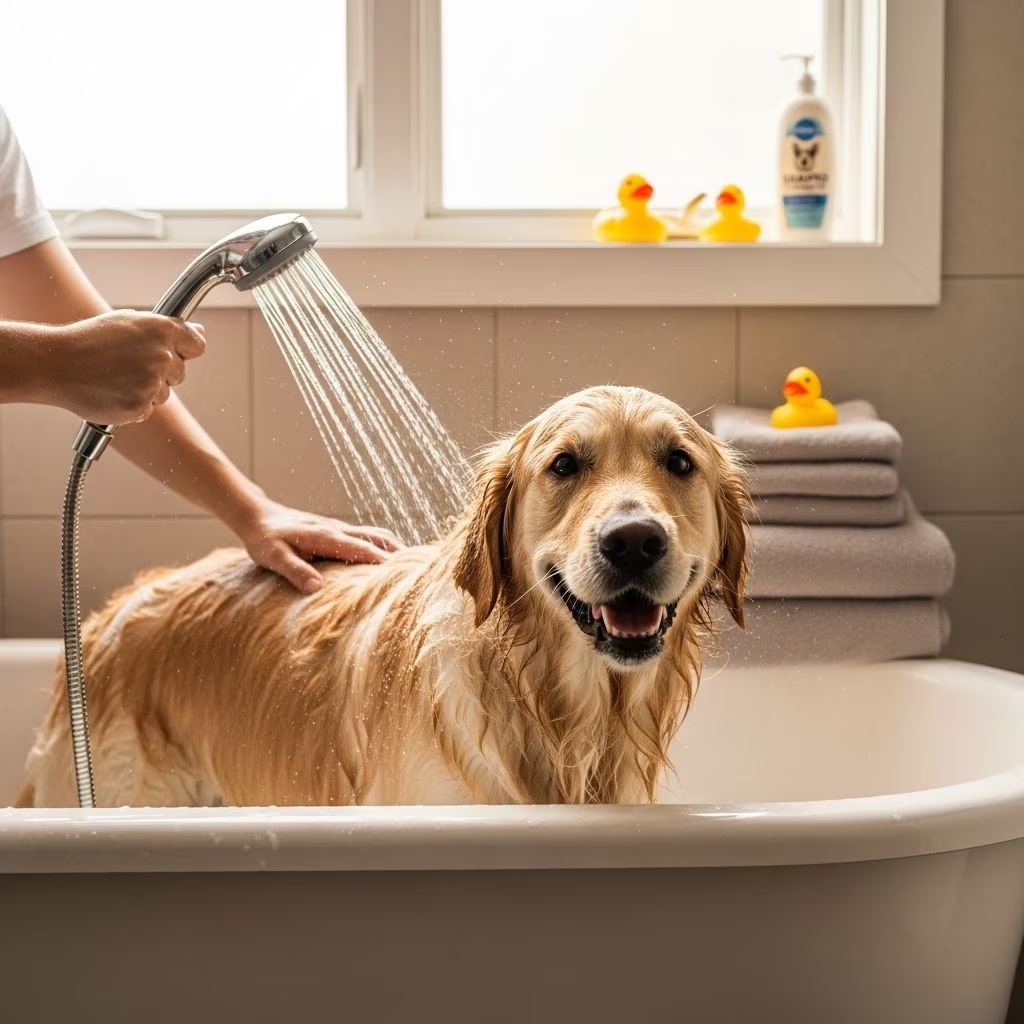
Bathing your dog at home promotes hygiene, reduces shedding, and strengthens your bond when done correctly. Proper techniques prevent skin irritation and anxiety, ensuring a positive experience for both you and your pet.
Why Regular Bathing Matters for Your Dog’s Health
Dogs accumulate dirt, oils, and allergens that can lead to discomfort or infections if not addressed. Bathing removes these while preserving the skin’s natural barrier, which consists of oils, cells, and bacteria protecting against irritants. Research shows this barrier in healthy dogs recovers over 50% within 24 hours and fully within 72 hours after gentle washing, but harsh methods can delay healing for weeks.
Frequency depends on breed, coat type, and lifestyle: short-haired dogs may need baths every 4-8 weeks, while long-haired or active outdoor dogs benefit from more frequent cleaning. Overbathing strips protective oils, causing dryness, so consult your vet for personalized advice.
Essential Tools and Supplies for Effective Bathing
Gather everything beforehand to avoid leaving your dog unattended. Key items include:
- Dog-specific shampoo: Human products are too acidic, disrupting pH balance and risking infections.
- Non-slip mats: Place in the tub and on surrounding floors to prevent slips.
- Low-pressure rinse tool or cup: Avoid high-pressure sprays that scare dogs.
- Brushes and detangling tools: For pre-bath grooming.
- Absorbent towels and low-heat dryer: For thorough drying.
- Treats and toys: To reward calm behavior.
Prepare a dilution bottle for shampoos, cleaning it after each use to prevent bacterial growth. Wear protective clothing or gloves, especially with medicated formulas.
Choosing the Perfect Bathing Location
Select a space based on your dog’s size and temperament. Bathtubs work for small to medium dogs but pose slip risks and confinement stress. Utility sinks or outdoor areas with drainage suit larger breeds in warm weather.
| Location | Pros | Cons | Best For |
|---|---|---|---|
| Bathtub | Contained, easy cleanup | Slippery, stressful for some | Small dogs |
| Utility sink | Ergonomic height, good drainage | Limited size | Medium dogs |
| Outdoor hose | Spacious, natural drying | Weather-dependent | Large/active dogs |
Always secure electrical outlets and keep waste bags handy. For safety, never fill the tub deeply—let water drain continuously to prevent drowning risks.
Pre-Bath Preparation: Setting the Stage for Success
Start with a thorough brush to remove loose fur and mats. Mats tighten when wet, trapping moisture and causing infections; never bathe matted dogs without clipping them professionally. Gentle strokes prevent skin scrapes that sting under shampoo.
Introduce water gradually in a calm voice. Test temperature—lukewarm, not hot, as dogs burn easily. Place non-slip mats and secure your dog with a comfortable harness if needed, avoiding tight nooses.
Step-by-Step Guide to Washing Your Dog
- Wet the coat: Begin at the neck, working backward with lukewarm water until saturated. Skip the head initially.
- Apply shampoo: Use fingertips in circular motions from neck to tail, avoiding eyes, ears, and nose. Let medicated shampoos sit 5 minutes.
- Massage thoroughly: Focus on armpits, belly, groin, and paws. Use soft mitts for sensitive skin.
- Rinse completely: Run hands through fur until water is clear, checking hidden spots like toes and ears. Residual soap irritates and invites bacteria.
- Face cleaning: Use a damp cloth with diluted shampoo, wiping gently outward. Rinse carefully.
For double-coated breeds, repeat if heavily soiled, but limit to preserve oils.
Drying Techniques to Prevent Skin Issues
Excess moisture breeds problems in folds and paws. Towel-dry by pressing, not rubbing, to avoid tangles. Use a low-heat blower, keeping it moving to prevent burns. Ensure full dryness, especially between toes.
Air-dry short coats in warm weather, but brush long coats to distribute oils and prevent matting.
Breed-Specific Bathing Adjustments
Different coats require tailored approaches:
- Smooth coats (e.g., Labs): Quick baths every 4-6 weeks with minimal shampoo.
- Wire coats (e.g., Terriers): Brush out dead hair first; use conditioning rinses.
- Double coats (e.g., Huskies): Less frequent baths to retain insulation; focus on spot-cleaning.
- Curly coats (e.g., Poodles): Detangle pre-bath; high-conditioner needs.
Skin conditions like allergies may need vet-prescribed medicated shampoos with contact time.
Avoiding Common Bathing Mistakes
Steer clear of these pitfalls:
- Hot water or high pressure, causing burns or fear.
- Incomplete rinsing, leading to dermatitis.
- Human shampoos, altering pH.
- Bathing without brushing, worsening mats.
- Overbathing, drying skin.
Observe your dog’s signals—if anxious, try positive reinforcement or professional help.
FAQ: Dog Bathing Essentials
How often should I bathe my dog?
Every 4-8 weeks, adjusted for coat and activity. Consult your vet.
Can I use baby shampoo on my dog?
No—it’s formulated for human pH, potentially irritating canine skin.
What if my dog hates baths?
Desensitize with play in water, treats, and short sessions. Consider mobile groomers.
Is a shower safe for bathing dogs?
Use low pressure; many dogs prefer it over tubs for less confinement.
How do I clean my dog’s ears during bath time?
Avoid direct water; wipe exteriors with a damp cloth. Use vet-approved cleaners separately.
Advanced Tips for Professional-Quality Results
For flea prevention, choose shampoos with safe ingredients. Medicated baths for yeast or bacteria require full vet guidance. Invest in a bathing ramp for seniors or large breeds to ease entry/exit.
Post-bath, apply leave-in conditioners and brush to stimulate oils. Track skin health post-bath; persistent issues warrant a vet visit.
Maintain a routine: bath days build positive associations. With practice, home grooming saves money and keeps your dog comfortable.
References
- How To Bathe a Dog: Expert Tips for Safe Home Grooming — PetMD. 2023-10-15. https://www.petmd.com/dog/grooming/how-to-bathe-a-dog
- What To Know About Bathing and Grooming Your Dog — Sunset View Pets. 2024-05-20. https://sunsetviewpets.com/articles/605177-what-to-know-about-bathing-and-grooming-your-dog
- Bath tub Safety and Security — National Groomer. 2023-08-12. https://www.nationalgroomer.com/resources/bath-tub-safety-and-security
- Can Bath Time be Dangerous for Pets? — The Animal Medical Center. 2016-11-30. https://www.amcny.org/blog/2016/11/30/can-bath-time-dangerous-pets/
- Safe bathing practices: Protecting your pet’s skin — Virginia Tech Veterinary Medicine. 2024-02-14. https://vth.vetmed.vt.edu/animal-care-tips/bathing-tips.html



